

The wool industry was paralysed for several days after hackers held to ransom the IT system that governs almost all wool sales in Australia and New Zealand. More attacks are a case of if, not when.
Articles on Cyberattacks
Displaying 101 - 120 of 205 articles
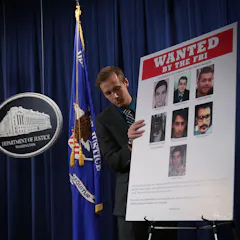
The Iranian military operates cyber espionage and sabotage through a network of dozens of contractors, allowing the state to attack foes while denying involvement.

Less overt than conventional military actions, cyber attacks can have dangerous consequences – especially when they target critical infrastructure systems controlled by the private sector.
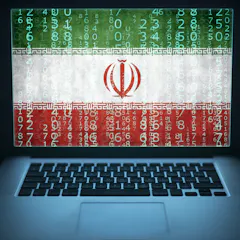
After the assassination of General Qassem Soleimani, further esclation in the conflict between Iran and the US could come in the form of a cyber-attack.
A recent leakware attack targeting Johannesburg was the second of its kind ever recorded. Hackers demanded A$52,663 worth of bitcoins, in return for not releasing senstivie civilian information.

Research shows we’re pretty gullible as it is. And our increasing reliance on machines for completing everyday tasks makes us all-the-more vulnerable to being exploited.
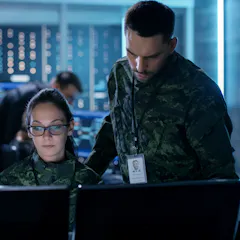
Treating non-violent cyber attacks as warfare could lead to unnecessary escalation.

A major cyber attack on a data lake could have immense consequences for any of us. And the damage could be felt anywhere from banking to the healthcare sector.

Nuclear threats are serious – but officials, the media and the public keep a close eye on them. There’s less attention to the dangers of cyberattacks, which could cripple key utilities.

US and Russian tension over power grid cyber attacks is a concern for global stability, but it also highlights our own critical infrastructure vulnerabilities.

The worst-case scenario is that hackers still have access to the university systems via a backdoor and are siphoning off critical data as it emerges.

Cyber attacks are becoming part of traditional warfare, but who should be targeted in response and what force should be used?

Two security scares in the past 24 hours should prompt you to make sure your software is up-to-date. But what are the risks?
Indonesia needs to arm itself with stronger laws and build up its digital security systems and industry.
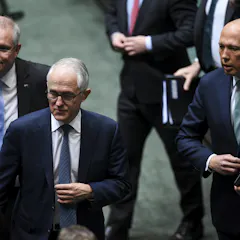
Scott Morrison has bragged about ‘stopping the boats’, but his government has failed to do anything meaningful to bolster cyber security and stop the malware.
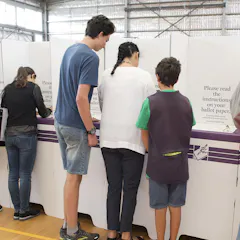
If another country wants to weaponise data hacked through Australia’s parliament, we’ll likely see them try to inflame religious and ethnic differences, and drive votes to minor parties.

Cyber attacks are a real and increasing threat to Australia, and the law lags a long way behind in both protection and recourse.

When you click on unverified links or download suspicious apps you increase the risk of exposure to malware. Here’s what could happen if you do – and how you can minimise your risk.
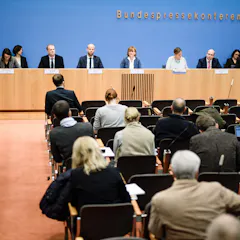
German MPs were outraged they weren’t notified they were targets in a cyber attack, which resulted in the public release of mobile phone numbers and credit card information.
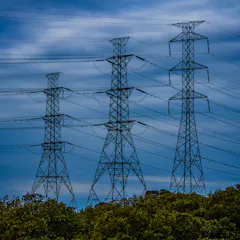
Austraia’s first Cyber Incident Management Arrangements are a good start, but the government needs to better engage with private companies to prevent and manage cyber attacks.
Top contributors
-

Adjunct Professor, Australia-China Relations Institute, University of Technology Sydney
-
Professor of Management, University of North Carolina – Greensboro
-
Professor of Cyber Security Practice, Edith Cowan University
-
Professor of Business Law and Ethics, Indiana University
-
Head, The Cyber Academy, Edinburgh Napier University
-
Adjunct Senior Lecturer, Applied Ethics and CyberSecurity, Griffith University
-
Security Researcher, Associate Professor in Resilient Systems, Edith Cowan University
-
Teaching Professor of Computer Science and Electrical Engineering, and Associate Director, UMBC Cybersecurity Institute, University of Maryland, Baltimore County
-
Lawyer, Curtin University
-
Doctoral Researcher in Cyberwarfare, University of Birmingham
-
Deputy Director, Center for Cyber and Homeland Security, Auburn University
-
Director, McCrary Institute for Cyber and Critical Infrastructure Security, Auburn University
-
Professor of Criminology, University of Leeds
-
Emeritus Distinguished Professor of Defense Analysis, Naval Postgraduate School
-
Senior Lecturer, New Zealand Institute for Security and Crime Science, University of Waikato