

Canadians are turning to AI mental health chatbots for support. But what if the bot agrees with the beliefs that are keeping you unwell?
Articles on Culturally relevant care
Displaying all articles

Feeling heard and understood by a medical provider is a crucial part of healthcare for patients.

As cardiovascular disease continues to affect millions worldwide, adapting heart health education to reflect cultural realities is a practical, patient-centred strategy for improving health outcomes.

Women who have moved to Australia, particularly from traumatic settings, are particularly at risk of gendered violence. Here’s what our research found helps them to speak up.

First Nations fathers are too often the subject of negative, often untrue stereotypes. We analysed data from around 150 dads about what they needed. Here’s what they said.
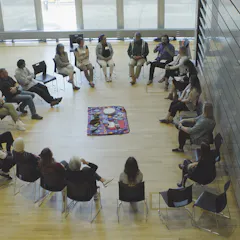
Although their stories often tell of strengths, struggles and important community contributions, the voices of Indigenous people with neurodevelopmental disabilities often go unheard.

Here’s where we could lift our game to ensure reliable, equitable and culturally safe telehealth for First Nations people in Australia, whether living remotely or in our cities.

In Canada, 14.4 per cent of South Asians have Type 2 diabetes, the highest prevalence of any other ethnic group in the country. Why is this population so disproportionately affected by diabetes?

Health and service workers are not asking women about a potential traumatic brain injury, there’s a lack of referral options, and often no diagnosis.
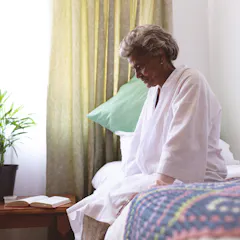
Much dementia research does not reflect ethnically diverse communities. Studies used to make policy, clinical and investment decisions in dementia should reflect the diverse Canadian population.
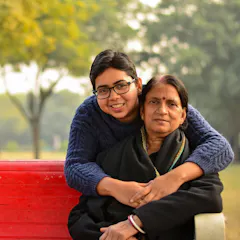
People living with dementia in the South Asian community often face challenges accessing care because of a lack of culturally appropriate services, language barriers or perceived stigma about dementia

When care is equity-oriented, patients report fewer depression and trauma symptoms, less chronic pain and improved quality of life.
Top contributors
-

Professor & Distinguished University Scholar, University of British Columbia
-
Research Fellow, School of Health and Society, University of Wollongong
-
Psychotherapist, Doctoral Candidate (UofT OISE), Bear Clan Nisichawayasihk Cree Nation., University of Toronto
-
Associate Professor, Department of Biology and Institute of Biochemistry, Carleton University
-
Associate Professor, School of Pharmacy and Pharmaceutical Sciences, The University of Queensland
-
Research Fellow, University of Wollongong
-
Associate Professor in Aboriginal and Torres Strait Islander Male Health & Wellbeing, Flinders University
-
Professor of Social Work, University of Wollongong
-
Research assistant , University of Tasmania
-
Adjunct Associate Professor, College of Healthcare Sciences, James Cook University
-
ARC DECRA Fellow, Institute for Culture and Society, Western Sydney University
-
Doctoral Candidate, Aging, Health and Well-being, University of Waterloo
-
Professor Emeritus in Aboriginal Studies, The University of Western Australia
-
Professor in Telehealth,Centre for Online Health, The University of Queensland
-
Associate Dean Indigenous College of Arts, Law, and Education; Senior Lecturer, Social Work, University of Tasmania