
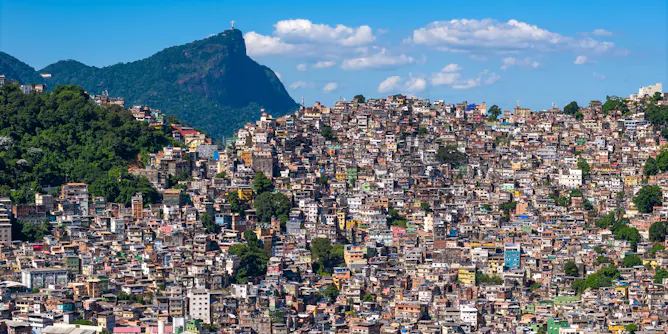
Tourism that seeks to engage with indigenous communities often masks the enduring historical struggle of who gets to decide what a place is and who benefits from it.
Articles on Cultural tourism
Displaying all articles

Cultural and creative industries account for 3.39% of global GDP and 3.55% of jobs.
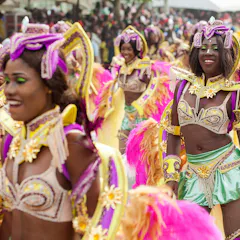
What was once just a cultural moment has become a powerful economic engine of cultural tourism.
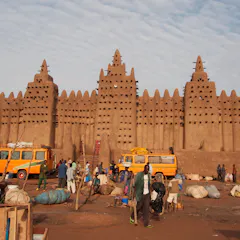
The Covid-19 pandemic will long be remembered for the lockdowns it imposed and the millions of lives it stole. A recent Unesco report reveals that it has also took a large toll on world heritage sites.

New research suggests parents are too focused on their children’s competition to spend time or money on things that don’t involve the tournament, hotel stays or quick dining.
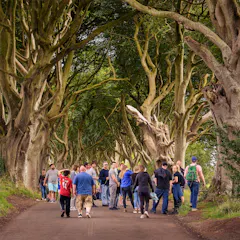
Fan tourists’ loyalty to specific sites and locations may be a valuable asset in kickstarting UK tourism.

180 years before Love Island, Chopin and Sands travelled to Mallorca to pursue their romance.

Two new documentaries about the disastrous 2017 Fyre fail to fully acknowledge the exploitation of the people of the Exumas.
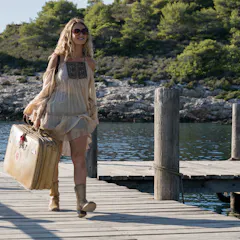
The Croatian island of Vis is gearing up for a massive influx of tourists wanting to see where the Abba-inspired movie sequel was filmed.
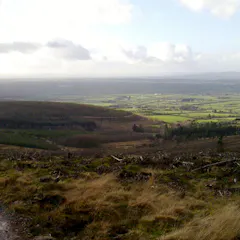
The big cities are still magnets for tourists, but often they find the smaller towns offer a more satisfying taste of local life. It’s why rural tourism can be ‘the perfect small town business idea’.

Busloads of people rubber-necking their favourite movie location can be a pest, but fan tourism is a growing business.

Many cities could learn from Dundee, which overcame industrial decline to become a UNESCO City of Design, with a shiny new cityscape to match
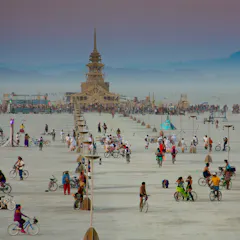
The annual Burning Man Festival creates a temporary city in Nevada’s Black Rock Desert. In many ways, it’s an innovation lab for rethinking cities.
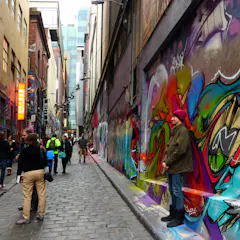
Melbourne’s street art has an international reputation and may be a very valuable tourist attraction. But the city remains ambivalent about the activities that have created its ‘laneway galleries’.
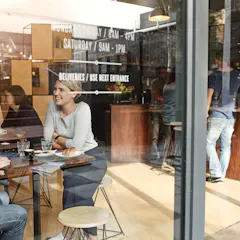
The ubiquitous cafes across Australian cities attract locals and tourists alike, but surely there’s more to thriving neighbourhoods than a flat white.
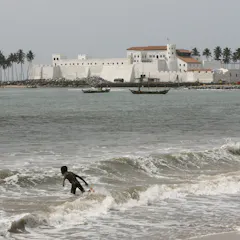
In the era of neoliberal capitalism, both the ideology of Pan-Africanism and the legacy of the Trans-Atlantic slave trade have become marketable commodities.
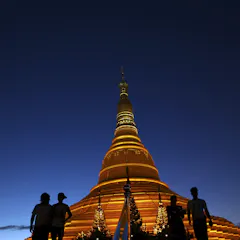
Social media is changing the way we travel, with people increasingly eager to visit Instagram-worthy destinations. Has a place’s visual appeal become more important than its history and authenticity?
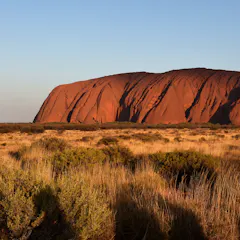
Uluru’s traditional owners have asked for decades that tourists not climb their sacred site. Parks Australia has committed to closing the climb – but only when some ambitious goals have been met.
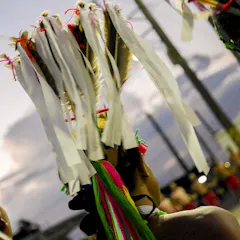
How do we move beyond being a cultural tourist to having some deeper level of understanding of what local festivals mean to the people involved? That question has been on my mind of late. Just before midnight…
Top contributors
-

Professor in Architecture, Griffith University
-
Assistant Professor of History, Georgia Southern University
-
Lecturer, Monash University, Monash University
-
Visiting Fellow, Australian National University
-
Professor and Dean of Duncan of Jordanstone College of Art & Design, University of Dundee
-
Visiting Associate Professor, National Taiwan Normal University
-
Lecturer in Tourism and Management, Academic Director (Education Quality and Assurance), Swinburne University of Technology
-
PhD Researcher, Research Unit in Public Cultures, The University of Melbourne
-
Assistant Professor of Communication, Elon University
-
MA of Creative Events Management, Griffith University
-
Associate Professor in Media, Culture & Communication, University of South Wales
-
UNESCO Chair in International Relations , Technische Universität Dresden
-
Research Lead, UQ Micromobility Research Cluster, The University of Queensland
-
Researcher in international law, Technische Universität Dresden
-
Professor of Media Cultures, University of Portsmouth