
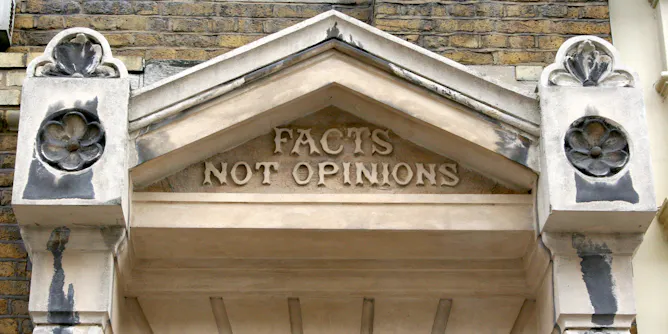
When it comes to facts versus opinions, just remember that not all facts have been true, and not all opinions should be dismissed either.
Articles on Critical thinking
Displaying 81 - 100 of 112 articles
We’re living in a time of rapid transformation in terms of what’s required for a country’s workforce. Design thinking is one way to prepare graduates for these changing times.
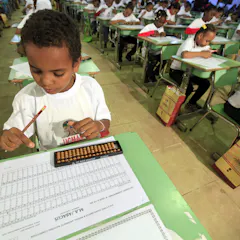
Maths occupies an eminent place in global schooling assessment criteria not just because of its content, but for the skills that are taught and developed alongside it.
Being a good critical thinker is a desirable and highly-sought after trait for getting a job in today’s economy. But are universities actually teaching this skill effectively?
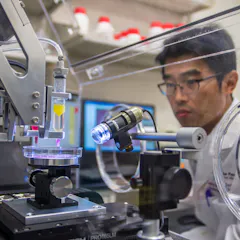
There’s a big difference between science and pseudoscience. But if people don’t understand how science works in the first place, it’s very easy for them to fall for the pseudoscience.
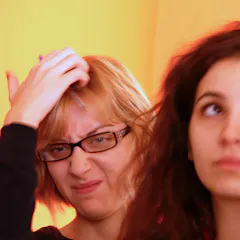
If you’ve ever felt confused then you’re not alone. But knowing how to deal with confusion can help us to learn new things.
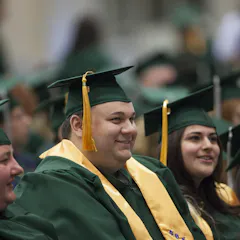
A large number of adult learners are going back to community colleges to acquire new skills. Are they acquiring the skills necessary for today’s technology-rich job environments?

Not voting can have serious consequences regarding the kind of society we end up living in. Disengagement can mean a lowering of quality of life.
Controversial arguments and ideas should be listened to and open to public scrutiny. Only then can we expose those ideas found wanting and lacking any credibility.
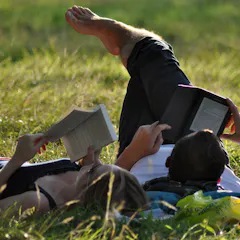
With the surge in e-books and digital devices, one concern has been whether students are learning as much. Research shows that some crucial elements of learning are indeed being lost.

It’s easy to attribute the wrong cause to a mysterious phenomenon. But science has some tools to help you avoid these attribution errors.
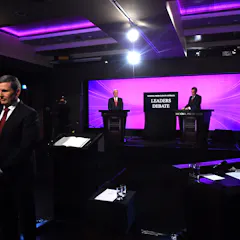
Why has the political debate become such an uninspiring event today? It’s difficult to find someone political who wants to genuinely argue for their position.
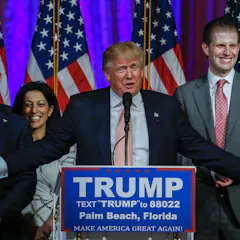
Donald Trump has been known to spread misinformation. This gives us a great opportunity to hone our critical thinking skills.

How often have you been urged to use common sense during an argument or a debate? The problem is, common sense is an unreliable indicator of truth.
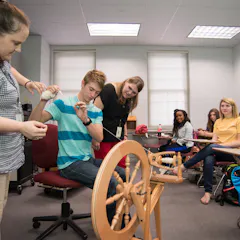
It is those who know how to think nimbly, creatively and responsibly that end up building extraordinary careers.
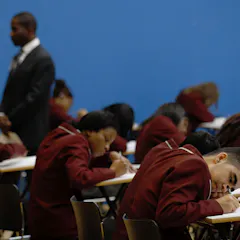
To prepare teachers for the 21st century, we need to reform the way we assess children.
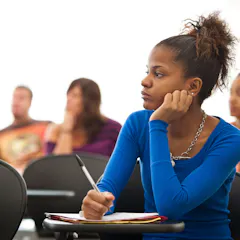
Professors help students question their beliefs and assumptions. How should they build the trust?
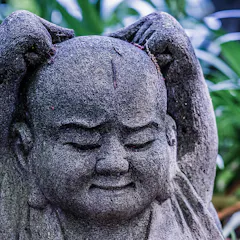
A new paper on teaching critical thinking skills in science has pointed out, yet again, the value of giving students experiences that go beyond simple recall or learned procedures.
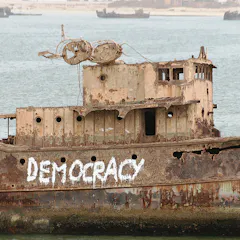
Campaigns are now more focused on how to manipulate the electorate so you can govern as you see fit once you get power.

How can we make the most of the “why?” years and develop our children into effective inquirers and critical thinkers?
Top contributors
-

Senior Lecturer in Philosophy and Education; Curriculum Director, UQ Critical Thinking Project, The University of Queensland
-
Associate professor, Cape Peninsula University of Technology
-
Senior lecturer, North-West University
-
Professor in Philosophy, Director of the University of Queensland Critical Thinking Project, The University of Queensland
-
Chancellor's Professor, Psychology, Carleton University
-
Professor Emerita of Linguistics, American University
-
Senior Lecturer Mathematics Education, Deakin University
-
Emeritus Professor of Education, University of Derby
-
Professor of Psychology, Biological Sciences and Environmental Studies, USC Dornsife College of Letters, Arts and Sciences
-
Senior Lecturer in Bioethics, The EthicsLab, Department of Medicine, Faculty of Health Sciences, University of Cape Town
-
Professor, Faculty of Education and Arts, Australian Catholic University
-
Professor of Education, University of British Columbia
-
Senior Lecturer, Australian National Centre for the Public Awareness of Science, Australian National University
-
Doctoral Trainee in Digital Civics, Newcastle University
-
Assistant Director of the Adult Literacy Research Center, Georgia State University