

There’s a widening global crisis in the legitimacy and credibility of leadership. It can be attributed to five sources: unable; unintelligent; immature; immoral and/or destructive leadership.
Articles on Creativity
Displaying 181 - 200 of 228 articles
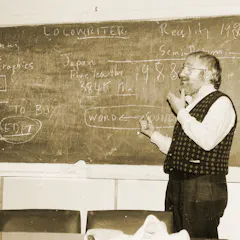
Seymour Papert’s vision has helped computers become widespread in education today, and gave birth to the movement to teach children to program.
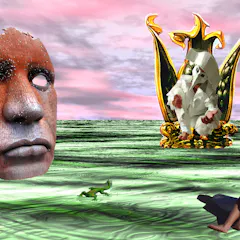
The first Australian National Playwrights Centre (ANPC) was founded in 1973 – the age of bongs, thongs and social wrongs. Australian drama was by then well into its Biggest Renaissance Ever. The Pram Factory…
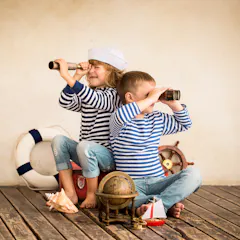
Summer can likely be full of activities that you do with your child. Here’s what research shows on how to boost your child’s creativity.
A focus on core subjects for 16-year-olds should not exclude arts, music or drama.
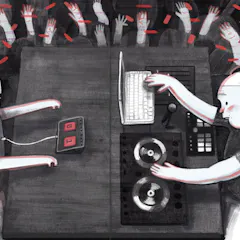
Testing whether machines are capable of generating sonnets, short stories or dance music that is indistinguishable from human-generated works.
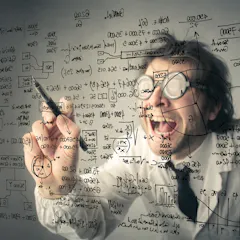
Are you a rigid librarian or an eccentric poet? How you see yourself may enhance your creative performance.
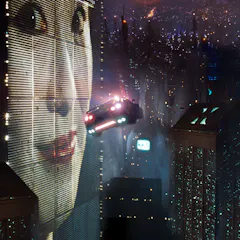
The city, with its carnivalesque excesses, has long been a muse for artists. But Sydney’s lockout laws infantilise its citizens and stifle activity.
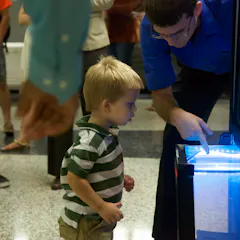
As 3D printing gets cheaper and easier to use, what might children - the next generation of innovators - make?
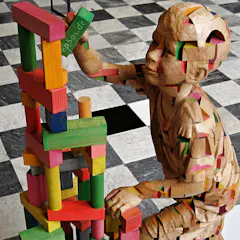
A recent report, Turning the Tide, urges colleges and universities to reexamine their admissions process. What about measuring creativity?
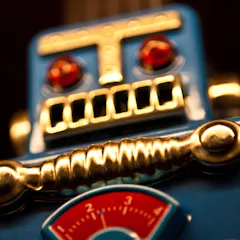
The field of computational creativity examines the mechanisms by which technology can perform creative tasks, particularly in the arts. How can software create works of beauty, value and meaning?
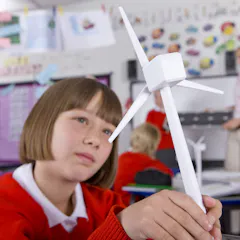
To get children to think creatively, teachers need to be creative, too.
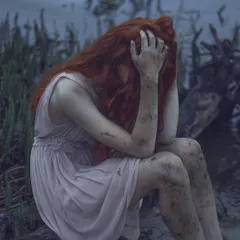
What is creativity? Tomes as thick as car tyres have been written addressing this question. The recently-released Global Creativity Index offers some answers but that doesn’t mean they’re the right ones.

‘If these index findings are indeed true then our economic and cultural performance, our overall prosperity, should be better than it is.’
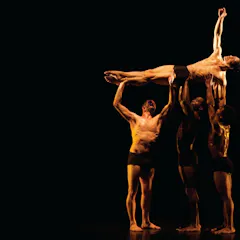
Liberal arts institutions teach students critical thinking skills. But rarely do they learn how to collaborate.
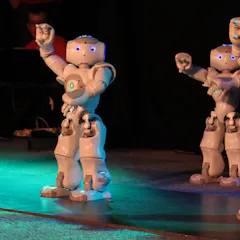
If we can make artificial intelligent machines that act more human it raises the question of what sort of emotions we’d like them to express.
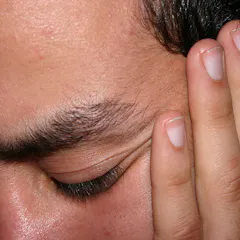
Psychologists have advanced a new theory linking neurotic unhappiness and creativity, arguing that natural worriers may have highly active imaginations and be more creative problem-solvers.

Researchers have suggested a new theory for why neurotic unhappiness and creativity are often found in the same person. But is the assumption that creative people are more neurotic actually true?

Are you a neurotic who overthinks just about everything? Congratulations, it may mean that you could become hugely successful in a creative job.
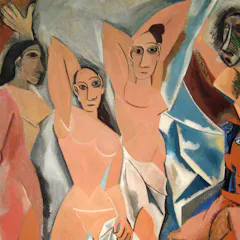
Humans are no longer the only judges of creativity. Computers can perform the same task – and may even be more objective.
Top contributors
-

Professor of Computer Science and Director of the Art & AI Lab, Rutgers University
-
Professor of Philosophy and Director of Applied Ethics Center, UMass Boston
-
Visual Artist and Lecturer in Teacher Education, University of Canberra
-
Associate Professor of Developmental Psychology & Psychopathology, University of Leeds
-
Professor Emerita of Linguistics, American University
-
Professor of Psychological and Brain Sciences, Drexel University
-
Professor of Experimental Psychology, University of Iowa
-
Professor of Engineering Innovation, Adelaide University
-
Professor of Personality Psychology, The University of Melbourne
-
Senior Lecturer in Psychology, Oxford Brookes University
-
PhD student, University of Warwick
-
Professor of Creative Arts, Griffith University
-
Professor, Innovation Design Engineering, Royal College of Art
-
Postdoctoral Fellow in Philosophy, UMass Boston
-
Professor of Educational Psychology, University of Connecticut