
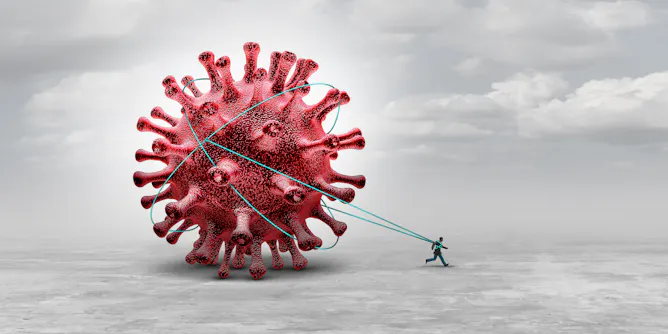
Although millions are navigating long COVID, four years into the pandemic both patients and their caregivers continue to face challenges accessing the information and care they need.
Articles on COVID-19
Displaying 281 - 300 of 8250 articles

The 194 member states of the WHO are negotiating a pandemic accord, only the second health accord after the 2003 convention against tobacco.
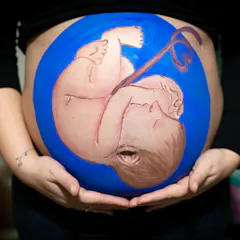
With a 40% staffing shortfall, midwifery needs better funding. But as new research shows, midwives also need recognition and support for the important work they do in the New Zealand health sector.

Public tragedies are heartrending events that gain widespread public attention. But where once prominent tragedies often brought Americans together, such tragedies no longer unify the country.
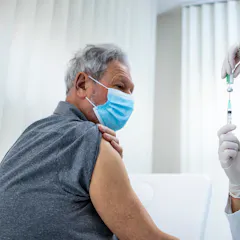
Moderna recently reported the results from a phase 3 trial of its two-in-one COVID and flu vaccine.
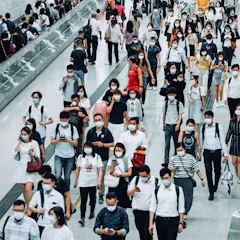
The world’s best chance of preventing the next pandemic lies in a global treaty. But deep divisions over funding and the sharing of vaccines and treatments have so far prevented an agreement.
In this bonus episode, you’ll meet some of the producers who help make this podcast to revisit some of our favourite episodes from past seasons.

Our approach to combating pandemics must shift to one that prioritizes prevention of human infections with zoonotic viruses, rather than focusing on rapid response once human infection is widespread.

Detecting infectious agents in sewage is only the first step. Researchers are working on developing reliable ways to translate surveillance measurements to case numbers and infection predictions.

Vaccinating public village leaders or respected older community members might be an effective approach to increasing vaccine uptake.

The WHO’s International Health Regulations are the world’s only existing international legal agreement focused exclusively on preventing and addressing infectious disease outbreaks across borders.

China’s attitudes to journalists who expose stories that criticise the government are reflected in a recent case.

People with diabetes are about twice as likely to become seriously ill with COVID-19 compared with those who don’t have diabetes.

A new study uses maths and behavioural science to understand how your actions during an epidemic influence the spread of the disease (and vice versa).
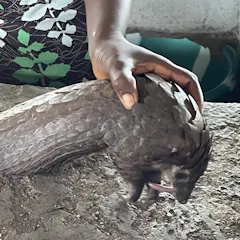
Reducing risk requires moving beyond heavy-handed solutions like banning bushmeat, and instead focusing on making markets safer.
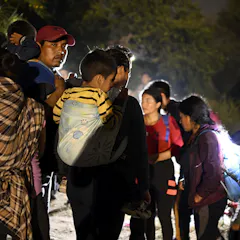
When a COVID-19-era policy was set to expire in May 2023, Republican officials predicted that the US-Mexico border would be overrun with migrants. That didn’t happen.

The report reveals that musicians are earning what mechanics are, but without formal benefits or the security of steady work.
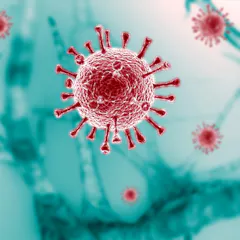
The so-called ‘FLiRT’ variants are dominant in the US and appear to be gaining traction in Australia. Here’s the information we have so far.

A previous review suggested that masks don’t work. We can assure you – they do.

After decades in the shadows, Asian American studies has expanded on college campuses.
Top contributors
-

Professorial Fellow, University of Canberra
-
Associate Professor, Epidemiology, Deakin University
-
Professor of Biostatistics and Epidemiology, Adelaide University
-
Scientia Professor of Economics, UNSW
-
Professor of Global Biosecurity, NHMRC L3 Research Fellow, Head, Biosecurity Program, Kirby Institute, UNSW
-
Chair in Epidemiology, Deakin University
-
Honorary Enterprise Professor, School of Population and Global Health, and Department of General Practice and Primary Care, The University of Melbourne
-
Visiting Fellow, Crawford School of Public Policy, Australian National University
-
Dean Faculty of Health Sciences and Professor of Vaccinology at University of the Witwatersrand; and Director of the SAMRC Vaccines and Infectious Diseases Analytics Research Unit, University of the Witwatersrand
-
Senior Research Fellow in Global Health, University of Southampton
-
Professor of Medicine, University of East Anglia
-
Professor, School of Population Health, UNSW
-
Associate Professor and Research Leader in Virology and Infectious Disease, Griffith University
-
Professor of Public Health, University of Sheffield
-
Professor of Research Ethics, University of Portsmouth