
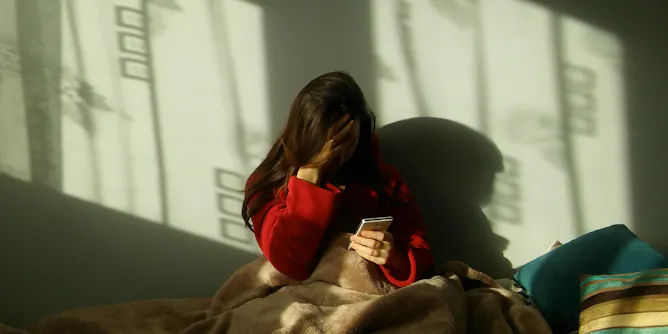
During the pandemic, many people relied on social media for distraction and social connection. However, excessive social media use can negatively affect mental health, especially for young people.
Articles on COVID-19
Displaying 361 - 380 of 8250 articles

Mental health for teachers carries critical benefits for students.

COVID complacency is a serious threat to public health. COVID hasn’t gone away. Vaccines haven’t become pointless – and it’s a good idea to keep wearing your mask.
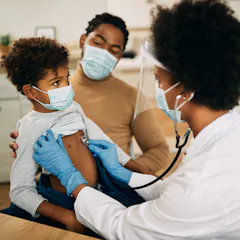
The current triple epidemic of respiratory viruses is affecting all age groups, prompting comparisons with the pre-COVID-19 era.
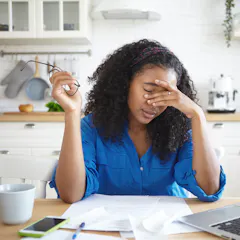
While teleworking can come with many benefits, being alone at home can leave us feeling isolated and unmotivated.

Half of the Australian workers whose jobs could be done at home appear not to value the option. Another fifth value it very highly.
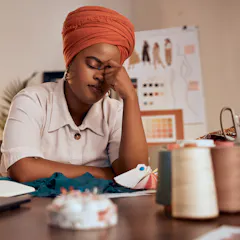
Stress affected many people’s productivity during the pandemic, with homeworkers and the self-employed (in particular women) experiencing the worst effects.
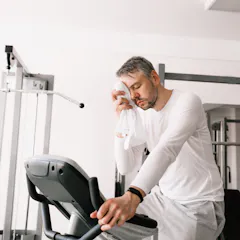
These findings may provide insights into better ways of managing long COVID.
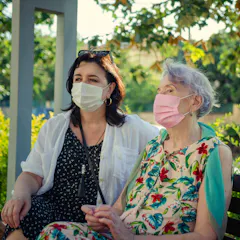
Another year, another COVID wave. Here’s what we know about what the virus is doing around the country.
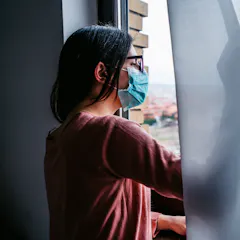
COVID was a ‘gendered pandemic’, with women carrying very different burdens to men. A three-year New Zealand research project aimed to overcome the urge to forget, and provide lessons for the future.

PhD students with caring responsibilities faced an increased risk of depression during the pandemic.
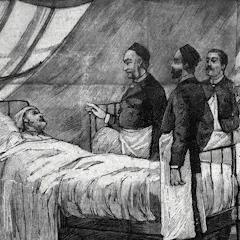
The mysterious case of the OC43 coronavirus pandemic.

Neighbourhood features may have helped youth cope with the mental health impact of pandemic restrictions. Parks didn’t play much of a role but food amenities and the suburbs did.
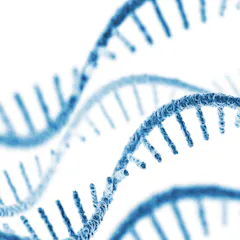
The COVID-19 pandemic demonstrated the promise of using mRNA as medicine. But before mRNA drugs can go beyond vaccines, researchers need to identify the right diseases to treat.
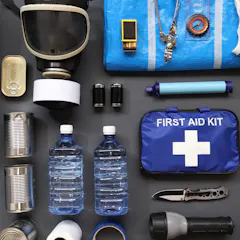
Prepping is fast becoming mainstream, but new government advice fails to address inequality, and could cause division between the haves and have-nots.

Keeping a diary has been a common pandemic pastime throughout history.
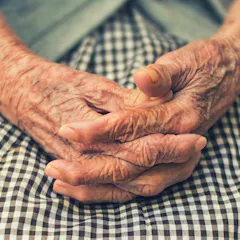
Most of the emergency government aid went to covering care homes’ loss of revenue. Care workers, meanwhile, kept the sector afloat through overtime.
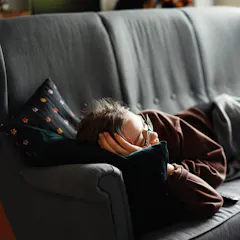
For most people, long COVID means not getting better after a COVID infection. So how has long COVID changed throughout the pandemic, and how likely are you to get it with this infection?

Children’s friendships are a vital part of their learning and development.

A trauma-informed therapist discusses how grief affects the brain and highlights the role of a sixth stage of grief – finding meaning – in the healing process.
Top contributors
-

Professorial Fellow, University of Canberra
-
Associate Professor, Epidemiology, Deakin University
-
Scientia Professor of Economics, UNSW
-
Professor of Global Biosecurity, NHMRC L3 Research Fellow, Head, Biosecurity Program, Kirby Institute, UNSW
-
Professor of Biostatistics and Epidemiology, Adelaide University
-
Chair in Epidemiology, Deakin University
-
Honorary Enterprise Professor, School of Population and Global Health, and Department of General Practice and Primary Care, The University of Melbourne
-
Visiting Fellow, Crawford School of Public Policy, Australian National University
-
Dean Faculty of Health Sciences and Professor of Vaccinology at University of the Witwatersrand; and Director of the SAMRC Vaccines and Infectious Diseases Analytics Research Unit, University of the Witwatersrand
-
Senior Research Fellow in Global Health, University of Southampton
-
Professor of Medicine, University of East Anglia
-
Professor, School of Population Health, UNSW
-
Professor of Public Health, University of Sheffield
-
Professor of Research Ethics, University of Portsmouth
-
Associate Professor and Research Leader in Virology and Infectious Disease, Griffith University