
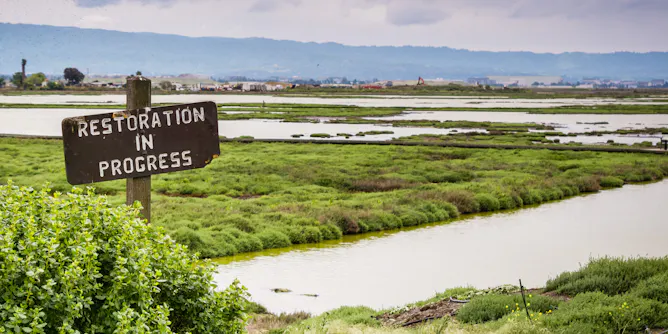
Australia committed to restore 30% of degraded ecosystems by 2030 when we signed the global biodiversity framework. But what does that really mean? It’s open to interpretation. So let’s be ambitious.
Articles on COP15
Displaying 1 - 20 of 26 articles
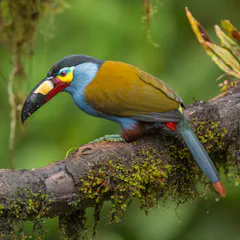
Wildlife can take years or decades to respond to environmental changes made by humans.
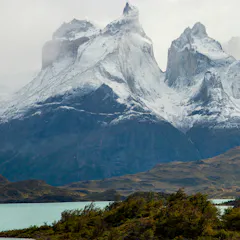
Mountain environments are rich in plant and animal species, but the dual threat of human habitation and climate change means urgent action is needed to protect them.

In order to meet its 2030 biodiversity targets, Canada is heavily relying on Indigenous Protected and Conserved Areas, which could do more harm than good for First Nations, Inuit and Métis.
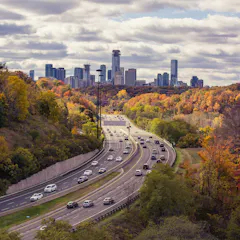
We cannot think of nature as something set aside in wildernesses, far from human activity. We need to conserve some elements of nature everywhere, including in the cities we live in.
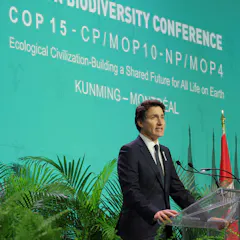
Global summits to arrest Earth’s deteriorating health look increasingly farcical.

As protected and conserved areas increase, an equity-based approach that respects Indigenous rights can help bring the transformative changes we need to halt and reverse biodiversity loss.
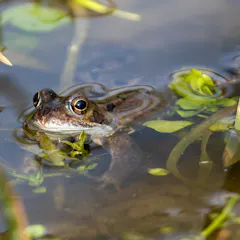
Nurturing habitats close to home can make a world of difference for wildlife.
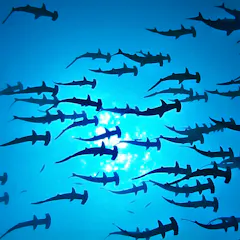
The UN biodiversity summit COP15 in Montreal is over. Here’s what should happen next.
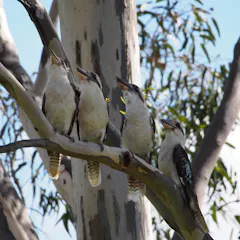
The planet is entering its sixth mass extinction event. This global nature summit is our best change to stop this tide of destruction.
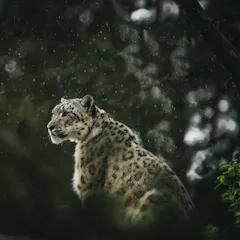
New research finds nearly 30% of land animals could disappear form their local area by 2100 due to climate change and habitat destruction. This is more than double previous predictions.
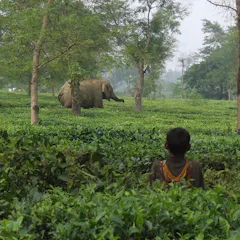
Human-wildlife conflict can undermine public support for conservation.
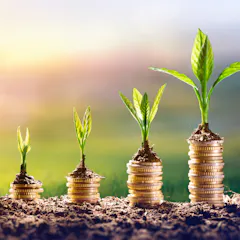
We need more targeted investments in solutions that have a positive impact on nature to reverse biodiversity loss.
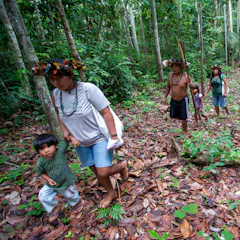
Almost 200 countries are reckoning with the world’s extraordinary loss of the variety of life at the COP15 nature summit in Canada. Here’s why Indigenous involvement is crucial.
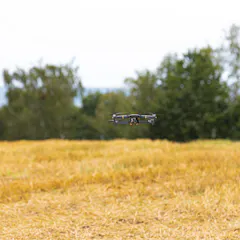
Digital technologies have the potential to yield positive results, if co-developed and used ethically with Indigenous communities.
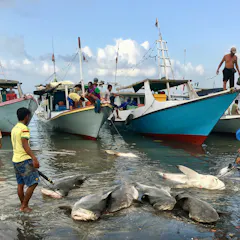
Countries have voted to limit the international shark trade, but this fails to account for the diversity in fishing contexts around the world.

China’s international lending projects have big potential impacts on oceans and coasts. By cooperating more closely with host countries, Beijing can make those projects more sustainable.

As we set conservation goals for the next decade, we need to evaluate what worked and what didn’t in our efforts to meet the 2020 biodiversity conservation targets.
Global biodiversity summits have so far lacked a clear target, but this could change if COP15 agrees on the 30x30 initiative to protect 30% of land and sea by the end of this decade.
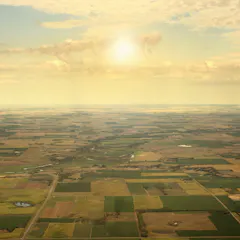
Cellular and microbial agriculture can make the same amount of food on a fraction of the land.
Top contributors
-

PhD Candidate at the Leverhulme Center for Anthropocene Biodiversity, University of York
-
Associate Professor of Finance, Gustavson School of Business, University of Victoria
-
Associate Professor, Department of Indigenous Studies, Simon Fraser University
-
Senior Researcher at the European Commission, Joint Research Centre, Joint Research Centre (JRC)
-
Professor in Conservation Science, School of Ecosystem and Forest Science, The University of Melbourne
-
Instructor, Harvard Extension School, Harvard University
-
Professor, Leverhulme Centre for Anthropocene Biodiversity, University of York
-
PhD candidate, Global Sociocultural Studies, Florida International University
-
Professor, TC Beirne School of Law, The University of Queensland
-
Associate Professor, Singapore Management University
-
Professor of Geography, Durham University
-
Senior Research Associate and Evaluation Specialist, Young Lives Research Lab, Faculty of Education, York University, Canada
-
Professor, Department of Geography, Environment and Geomatics, University of Guelph
-
Professor, UNSW
-
Adjunct professor, Institute of Forestry and Conservation and Department of Ecology and Evolution, University of Toronto