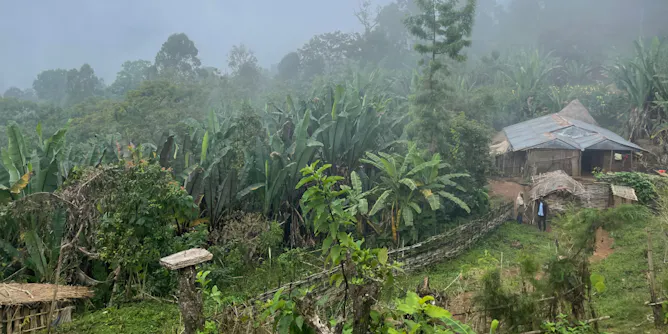
Ethiopia’s protected areas conserve almost 10% of the country, but new research has found that people living near nature reserves may be more likely to go hungry.
Articles on 30x30
Displaying all articles
So far, about 10% of the ocean has formal protection as countries work toward the 30x30 goal, but many areas are still protected on paper only.
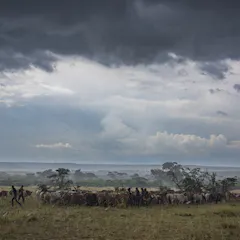
People are central to conservation.
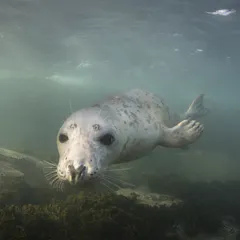
If we are serious about ocean recovery, we need to tackle root causes.
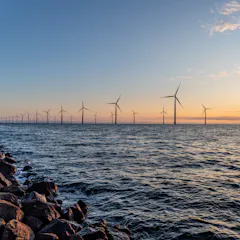
Offshore wind farms threaten local biodiversity, but also protect it by reducing emissions.
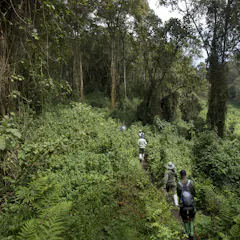
All countries must accelerate efforts to avert the biodiversity crisis, and preserve Earth’s precious natural places for future generations.
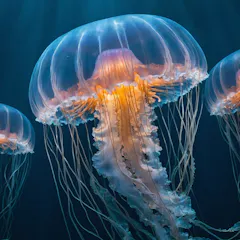
Since 2022, the network of global ocean-protected areas has grown by only 0.5% to 8.3%.
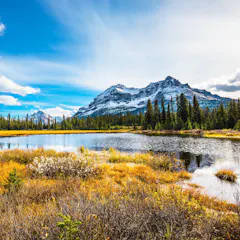
Integrating local and Indigenous knowledge into conservation can help to support diverse diets without compromising biodiversity goals.

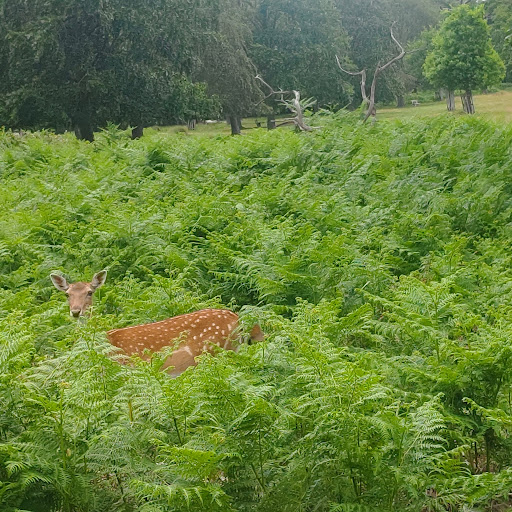
Governments and wildlife advocates are working to protect 30% of Earth’s lands and waters for nature by 2030. An ecologist explains why creating large protected areas should be a top priority.

Food forests are urban oases that pack a lot into small spaces, including food production, local cooling and social connections.

In order to meet its 2030 biodiversity targets, Canada is heavily relying on Indigenous Protected and Conserved Areas, which could do more harm than good for First Nations, Inuit and Métis.
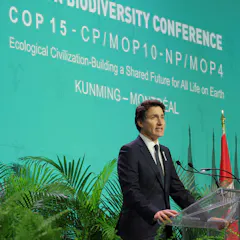
Global summits to arrest Earth’s deteriorating health look increasingly farcical.
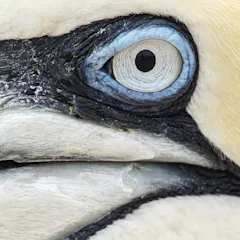
Global biodiversity summits have so far lacked a clear target, but this could change if COP15 agrees on the 30x30 initiative to protect 30% of land and sea by the end of this decade.
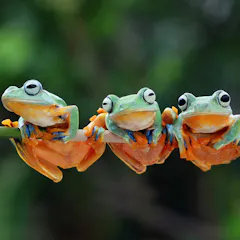
Negotiators hope to put humanity on a path to harmonious coexistence with nature by 2050.
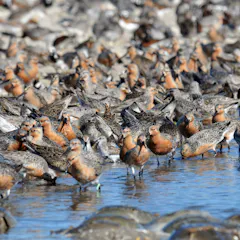
Governments, scientists and conservation groups are working to protect 30% of Earth’s land and water for nature by 2030. Two scientists explain why scale matters for reaching that goal.
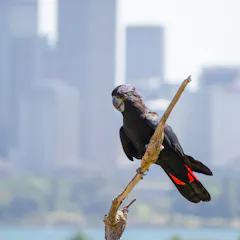
Australia now has a target of protecting 30% of its land and sea area. But the challenges of conserving urban biodiversity illustrate why it’s a much more complex task than a simple target suggests.
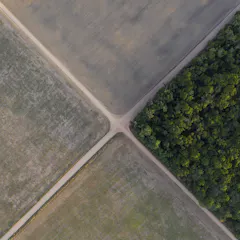
The so-called post-2020 global biodiversity framework is a nature counterpart to the 2015 Paris Agreement on climate change, and will aim to curb the decline of nature by 2050.
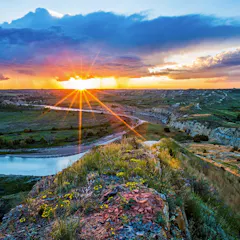
When something is free, people use a lot of it. Economists are urging governments to compute values for natural resources – wildlife, plants, air, water – to create motives for protecting them.
Top contributors
-

Daniel Patrick Moynihan Senior Lecturer in Public Policy and Public Finance, Harvard Kennedy School
-
Senior Lecturer, Landscape Architecture, Deakin University
-
Associate Professor of Law, University of Waikato
-
Thomas W. Haas Professor in Sustainable Food Systems, University of New Hampshire
-
Lecturer and Researcher
-
Researcher in agrobiodiveristy and conservation at Royal Botanic Gardens, Kew
-
Research Leader in Agrobiodiversity and Conservation, Royal Botanic Gardens, Kew
-
Associate Professor, Addis Ababa University
-
Professor of International Politics, University of Sheffield
-
Professor of Geography, Durham University
-
Rachel Carson Chair in Sustainability, Michigan State University
-
Associate Professor, Department of Indigenous Studies, Simon Fraser University
-
Professor of Geography, Environmental Management and Energy Studies, University of Johannesburg; Research Associate, Stellenbosch University; Professor of Sociology of Development and Change, Wageningen University
-
PhD Student in Fisheries & Wildlife and Ecology, Evolutionary Biology & Behavior, Michigan State University
-
Professor of Wildlife Ecology, Clemson University