
Fires and building failures highlighted serious gaps in Australian building regulations. But recent revisions and recommendations still fall short of preparing our buildings for climate change.
Articles on Construction standards
Displaying 21 - 35 of 35 articles
Years of regulatory failure are having direct impacts on the hip pockets of the many Australians who bought defective houses or apartments. It’s turning into a multibillion-dollar disaster.
Under the new code, buildings are hardly likely to differ measurably from their fault-ridden older siblings and can still fall short of a six-star rating. It’s possible they may have no stars!
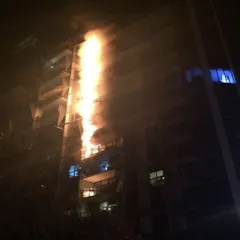
Architects, certifiers and engineers who work as consultants to builders are on notice about potential liability for the use of flammable cladding, but governments are also culpable for their actions.
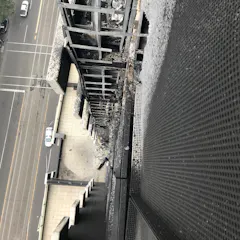
The risks of combustible cladding on high-rise buildings have long been known. And audits have identified hundreds of Australian buildings with this cladding. Delay in replacing it is inexcusable.

As more and more Australians live and work in high-rise buildings, their responsibilities and roles in ensuring all occupants’ safety must not be neglected.
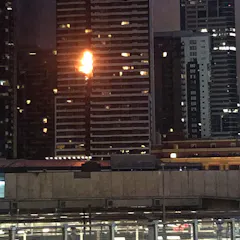
Fortunately, no lives were lost in the latest cladding fire in Melbourne, but it’s a stark reminder of the urgent need to track and verify that building materials comply with safety standards.
While Opal Tower residents are more badly affected than most, up to 80% of multi-unit buildings have serious defects. Here’s what government can do right now to fix the industry.

Air conditioning changed both building design and people’s active management of home temperatures. A return to houses designed for our climate can keep us comfortable and cut energy use and emissions.

Building defects in apartment blocks are far from unusual. We need to identify the systemic flaws contributing to them.
Australia’s commitments to cut emissions are on a collision course with urban growth. We need a much more comprehensive strategy to make the transition to a sustainable built environment.
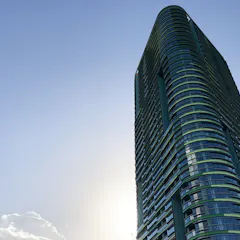
It’s tempting to blame building certifiers and the fact they are privately employed. But the cracks in the quality of our apartment buildings go deeper and can be fixed.

Centralised policies are not meeting the needs of remote Indigenous settlements. Increasing their decision-making input and the role of local industry can overcome the challenges of building remotely.
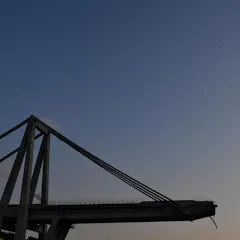
In the region of Liguria, and the city of Genoa itself, Calabrian mafia clans have been infiltrating construction projects for decades.
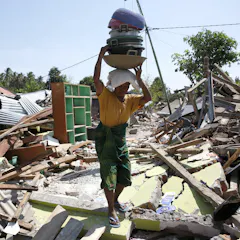
Hundreds of thousands of people are homeless following the Lombok earthquakes. Much of this suffering need not have happened if houses were constructed to better withstand shaking.
Top contributors
-

Adjunct Professor of Architecture, University of Technology Sydney
-
Associate Professor in Property, Construction and Project Management, RMIT University
-
Professor of Construction Management, University of Technology Sydney
-
Professor, City Futures Research Centre, UNSW
-
Professor, City Futures Research Centre, Faculty of the Built Environment, UNSW
-
Senior Lecturer in City Planning, UNSW
-
ARC DECRA Fellow & Senior Lecturer in Construction Management, Faculty of Architecture, Building and Planning, The University of Melbourne
-
Associate Professor and Co-Director of Studies for Construction Law, The University of Melbourne
-
Associate Dean, School of Property, Construction and Project Management, RMIT University
-
Research fellow, Adelaide University
-
Director, Glowpear, Board member, ISDRS, Vice President, AHA and Senior Lecturer in Industrial Design, RMIT University
-
Research Fellow in Urban Studies, University of Salford
-
Professor of Energy Policy, Member of Fuel Poverty Evidence and Trustee of the Fuel Poverty Research Network, Sheffield Hallam University
-
Professor of Sociology of Law and Deviance, Università di Bologna; University of Essex; The University of Melbourne
-
Senior Lecturer in Social Anthropology, Te Kunenga ki Pūrehuroa – Massey University