
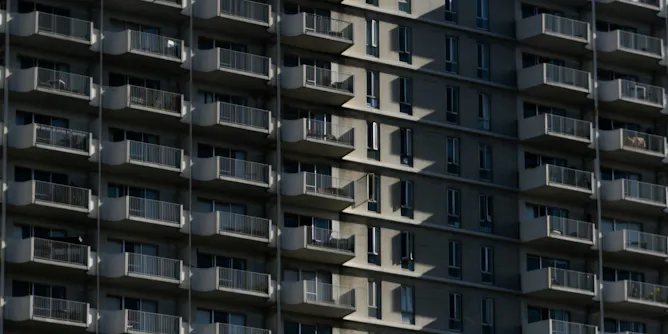
Apartments built to today’s standards could be too hot for future comfort for about four weeks a year in Redfern and more than seven weeks in Penrith.
Articles on Building code
Displaying 1 - 20 of 28 articles
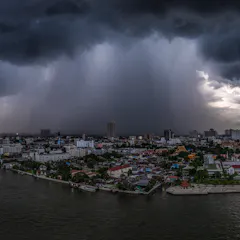
Engineers use giant fans in the Wall of Wind test facility to study the destructive ways these powerful winds can interact with tall buildings.
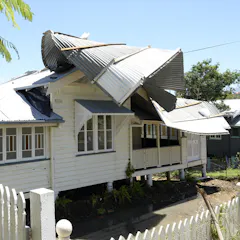
When a cyclone hits, the wind is trying very hard to pull the roof off your house. It’s vital the roof stays on – but one weak link can spell disaster.
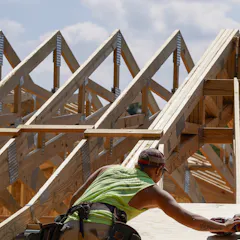
In interviews with residents and builders after disasters from Hawaii to Colorado to Puerto Rico, an engineer and policy specialist found people often overestimating the cost of building back better.
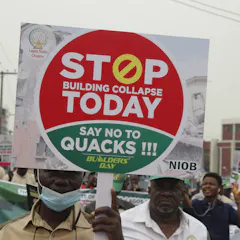
Lagos, Nigeria’s commercial capital city, is notorious for frequent building collapses. A risk reduction expert offers five recommendations on how to prevent these disasters.
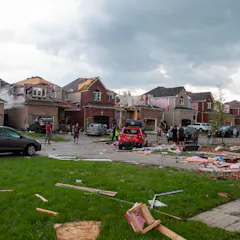
Engineers, architects and builders can design and construct affordable new buildings that can resist tornadoes, floods and wildfires, but do not. We have that opportunity now.
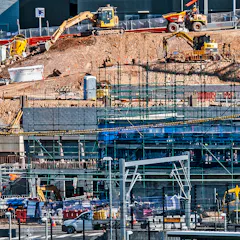
We must take significant and rapid action now, to ensure cities play their part in limiting dangerous global warming and withstand the climate challenges ahead.
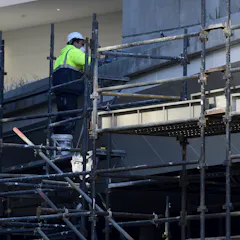
The proposed law does little to give people confidence in the apartments they buy. And it utterly neglects the role of architects and on-site inspections in delivering sound buildings.
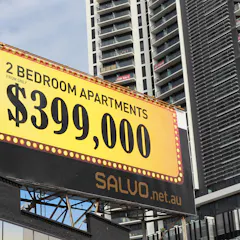
Unsafe apartments are being evacuated as confidence plummets – even the author of a report commissioned by building ministers wouldn’t buy a new apartment. What will it take for governments to act?
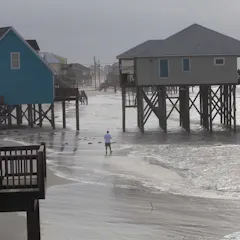
‘Building back better’ refers to making communities more disaster-proof and resilient after they take a hit. But instead, some US owners are building back bigger homes in vulnerable places.
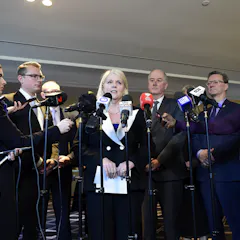
The construction industry crisis didn’t happen overnight. Authorities have been on notice for years to fix the problems that now have the industry itself calling for better regulation.
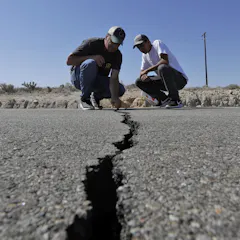
Engineers know how and where to build to minimize earthquake damage. But laws don’t always reflect that wisdom. A new study suggests it’s because of a mismatch between risk perceptions and reality.
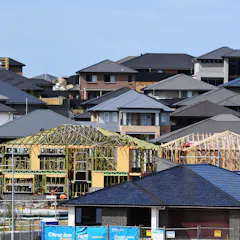
Australia requires a minimum six-star energy rating for new housing. New homes average just 6.2 stars, so builders are doing the bare minimum to comply, even as the costs of this approach are rising.
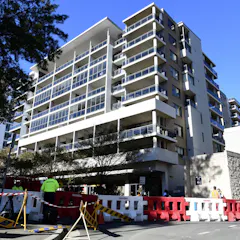
Regulations that are meant to protect residents from building failures and fires have been found wanting. All governments must take responsibility for fixing the defective regime they created.

Fires and building failures highlighted serious gaps in Australian building regulations. But recent revisions and recommendations still fall short of preparing our buildings for climate change.
Years of regulatory failure are having direct impacts on the hip pockets of the many Australians who bought defective houses or apartments. It’s turning into a multibillion-dollar disaster.
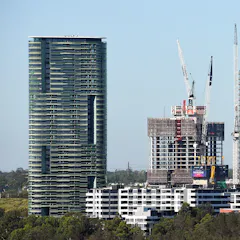
Under the new code, buildings are hardly likely to differ measurably from their fault-ridden older siblings and can still fall short of a six-star rating. It’s possible they may have no stars!
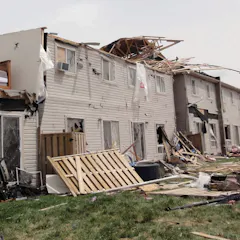
Weather-related catastrophic events have cost Canadians more than $17 billion in the past decade. That only stands to grow, unless building codes change to make homes more resilient.
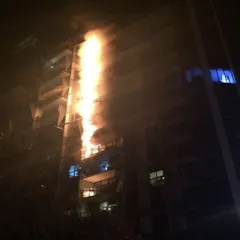
Architects, certifiers and engineers who work as consultants to builders are on notice about potential liability for the use of flammable cladding, but governments are also culpable for their actions.

As more and more Australians live and work in high-rise buildings, their responsibilities and roles in ensuring all occupants’ safety must not be neglected.
Top contributors
-

Adjunct Professor of Architecture, University of Technology Sydney
-
Senior Lecturer in Construction Technology, The University of Melbourne
-
Lecturer In Construction, Deakin University
-
Associate Professor in Property, Construction and Project Management, RMIT University
-
Worcester Polytechnic Institute
-
Senior Research Associate, Institute for Environment and Human Security (UNU-EHS), United Nations University
-
Associate Professor and Co-Director of Studies for Construction Law, The University of Melbourne
-
Scientist and Director of Research Communication for the Arizona Water Innovation Initiative, Arizona State University
-
Associate professor Sustainability and Urban Planning, RMIT University
-
Assistant professor, School of Resource and Environmental Management, Simon Fraser University
-
Professor, Sustainability and Urban Planning, RMIT University
-
Associate Professor in Architecture, Adelaide University
-
Senior DECRA Research Fellow, The University of Melbourne
-
Research Scientist in Geography, Environment, and Sustainability, University of North Carolina – Greensboro
-
Professor of Housing Research, Adelaide University