

New research has found that low-rise urban environments are more space and carbon efficient than high-rise buildings which have a drastically higher carbon impact.
Articles on Construction industry
Displaying 21 - 40 of 40 articles
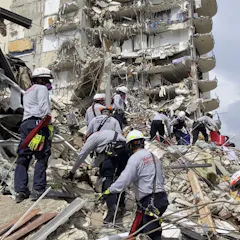
The Miami apartment collapse is a grim reminder of why engineering matters, and why comprehensive education in ethics should be embedded in the training of engineers.
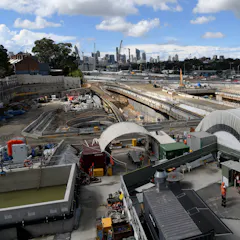
Three big firms win almost all the $1 billion-plus contracts. And they often team up in joint ventures, further reducing the competition that would keep the price tags of road and rail projects down.
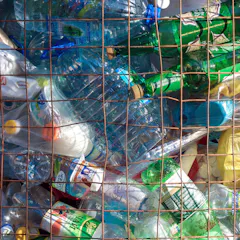
From larger-than-life Lego blocks to bird-nest inspired structures, researchers are finding innovative ways to reuse and recycle the plastic we throw away.
Grocon as a construction business might be on its last legs, but Grocon as a property development and landlord business should be fine.

A building designed to be easily taken apart so the components can be reused is a model for much less wasteful construction. It reduces resource use and environmental impacts, and can be cheaper too.
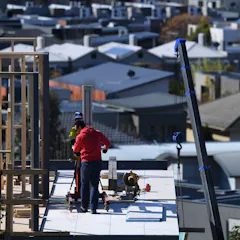
Current housing stimulus measures aim to boost buyer demand and are too small to sustain a recovery. A second round of stimulus is likely to be needed, and it should go into social housing supply.

Insecure jobs, insufficient training and the marginalisation of unions have contributed to a tragic record of construction fatalities.

Algorithms can now work out the best ways to lay out rooms, construct buildings and even change them over time to meet user needs.
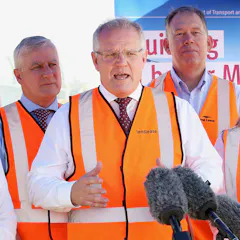
As well as an infrastructure spending boost, governments are fast-tracking approvals. But these processes exist for a reason. If we get projects wrong, we live with the consequences for decades.
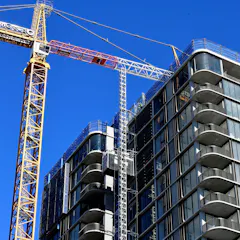
Orders to fix serious defects, even up to ten years after completion, and to delay the occupation certificate developers need to sell apartments until they’re fixed, gives regulators real teeth.
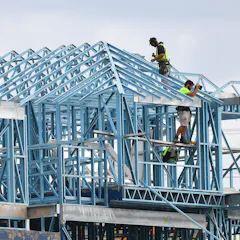
Grants to home buyers could cost the federal government billions without creating any extra jobs in construction. Investing in social housing is a better approach.

Local councils work hand in hand with industries like construction. If the downturn is allowed to cripple councils, that will also hit essential businesses hard.
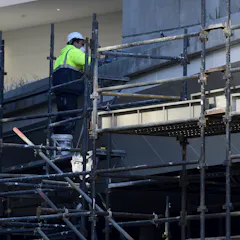
The proposed law does little to give people confidence in the apartments they buy. And it utterly neglects the role of architects and on-site inspections in delivering sound buildings.
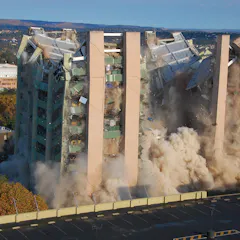
The problems of demolishing high-rise buildings in busy cities point to the need to prepare for unbuilding at the time of building. We’d then be much better placed to recycle building materials.

Governments and regulators assume compliance with building regulations will restore public confidence. But complying with the National Construction Code won’t fix many common defects.
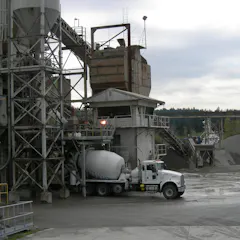
The cement needed to make concrete – the most widely used man-made material – is a major source of global emissions. Researchers are working on a green replacement that could transform the sector.
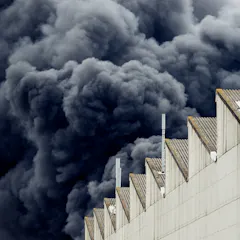
Ensuring a building will be safe against fire requires careful consideration from not only fire engineers, but also from builders, architects and building owners.

Unsafe apartments are being evacuated as confidence plummets – even the author of a report commissioned by building ministers wouldn’t buy a new apartment. What will it take for governments to act?
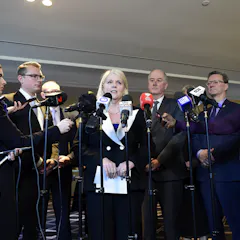
The construction industry crisis didn’t happen overnight. Authorities have been on notice for years to fix the problems that now have the industry itself calling for better regulation.
Top contributors
-

Adjunct Professor of Architecture, University of Technology Sydney
-
Professor of Construction Management, University of Technology Sydney
-
Construction Industry Consultant, Auckland University of Technology
-
Associate Professor and Principal Fellow in Urban Risk and Resilience, The University of Melbourne
-
Senior Lecturer, School of Property, Construction and Project Management, RMIT University
-
Head of Art and Design, University of Hertfordshire
-
Postdoctoral Research Associate, University of Sydney
-
Programme Leader, CanConstructNZ, Te Kunenga ki Pūrehuroa – Massey University
-
Professor, School of Civil Engineering and Construction Management, Adelaide University
-
Associate Professor of Engineering, Western Sydney University
-
Research Fellow, School of Civil Engineering, The University of Queensland
-
Senior Lecturer in Urban Planning, School of Architecture and Cities, University of Westminster
-
Associate professor, The University of Western Australia
-
Professor and Manager of the Advanced Materials Testing Centre (AMTeC), University of South Wales
-
Professor and Head of the School of Civil and Environmental Engineering, UNSW