

In an age of antibiotics and scientific reason, we like to think we’re more rational than our forebears. But the early history of conspiracy theories suggests some behaviours persist through time.
Articles on Conspiracy theories
Displaying 101 - 120 of 336 articles

We’ve spent ages learning about the people who think they’ve come from another planet, so you don’t have to.

A big reason the idea is gaining momentum globally is that the benefits for the health of individuals, communities and the environment are clear and almost immediate.

Mark Zuckerberg says he wants the world to be more “open and connected”, but his decision to block archiving the company’s social media content argues otherwise.

It’s about designing cities that prioritise people not cars.

A new book examining New Zealand’s extreme and alt-right movements tackles an important issue. But it could have defined its terms better and provided more evidence for its claims.
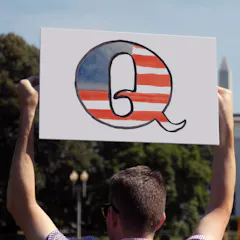
The mysterious QAnon network is becoming an international movement, and an estimated 22% of Americans back one of its core beliefs.

Attacking the beliefs of conspiracy theorists is only likely to make them dig their heels in.

Around 43% of university graduates in Turkey believe a conspiracy theory that secret clauses are about to be revealed from a 100-year-old treaty.

Millions of British people believe in at least one conspiracy theory, but research shows how to tackle them.

Those who feel disenfranchised from mainstream leaders are vulnerable to falling for the promises of online ‘leaders’ and ‘alt-moral entrepreneurs’.

Why deep state conspiracies keep on spinning out of control.

Conspiracy beliefs can be motivators for actual or attempted violence against specific people, places, and organisations. What should, and shouldn’t, police do to counter them?

The key to understanding online conspiracy theorists is to understand how the line between fantasy and reality can become blurred.
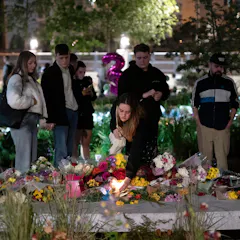
One in seven respondents believed the victims of the Manchester terrorist attack were ‘crisis actors’.
Voters mostly did not cast their ballots for chief election administration officials who deny the 2020 election. But the hyperpartisan trend could further erode trust in elections.

No, Avril Lavigne isn’t dead – the science behind conspiracy theories.

Many conspiracy theories and disinformation are rooted in antisemitic tropes which spread harm and undermine our democratic institutions.
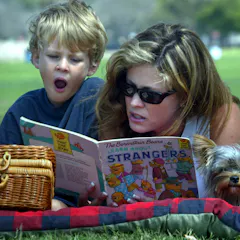
People are puzzled when they learn they share the same false memories with others. That’s partly because they assume that what they remember and forget ought to be based only on personal experience.
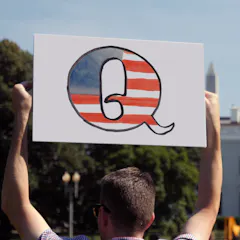
Many of those who believe conspiracy theories do not necessarily act on those beliefs. Nevertheless, conspiracy theories can still spread dangerous misinformation that can cause harm.
Top contributors
-

Associate Professor in Social Psychology, School of Psychology, University of Nottingham
-
Professor in Applied Cognitive Psychology, Manchester Metropolitan University
-
Senior Lecturer and Researcher in Cognitive and Parapsychology, Manchester Metropolitan University
-
Host of The Anthill Podcast, The Conversation
-
Professor of Social Psychology, University of Kent
-
Chair of Cognitive Psychology, University of Bristol
-
Professor of American Studies, University of Manchester
-
Senior Lecturer in Social Psychology, La Trobe University
-
PhD candidate Individualized Program, 2020-2021 Public Scholar, Concordia University
-
Senior Research Fellow, Melbourne School of Psychological Sciences, The University of Melbourne
-
Department of Media & Culture, Faculty of Humanities, University of Amsterdam
-
Senior Lecturer in Philosophy and Education; Curriculum Director, UQ Critical Thinking Project, The University of Queensland
-
Senior Lecturer in Psychology, The Open University
-
Associate Professor in Psychology, Te Kunenga ki Pūrehuroa – Massey University
-
Associate Professor of Sociology, University of Dayton