
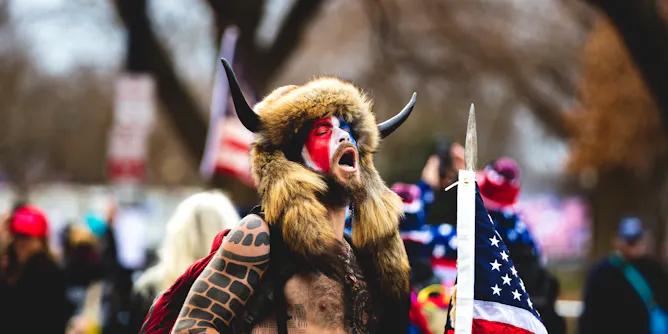
Online abuse is often dismissed as “just online.” But the rise of QAnon and similar groups demonstrates the very real consequences of online speech.
Articles on Conspiracy theories
Displaying 161 - 180 of 336 articles

At least half of Australians and New Zealanders in a recent study believed in one major conspiracy theory.
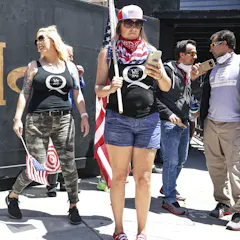
The followers of QAnon gained national notoriety for their support of former President Donald Trump. But QAnon members are influencing the GOP at the state and local levels, too.

A professor of religious studies argues that describing QAnon followers as brainwashed overlooks their role in accepting and spreading potentially dangerous beliefs.
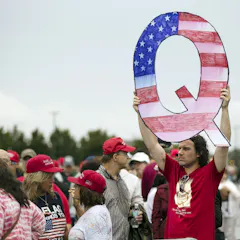
How many Americans really have lost touch with reality?
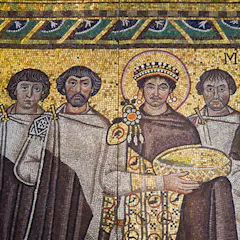
Long overlooked in the West, the Byzantine Empire has recently picked up interest among far-right and conspiracist circles. A historian of medieval culture explains what white supremacists get wrong.
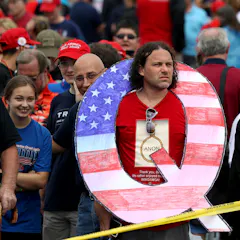
Donald Trump didn’t make a triumphant return on Jan. 20 and is unlikely to on March 4. How a 19th-century religion dealt with a similar disappointment may give clues on how QAnon supporters may react.

We now know a lot about what makes adults fall into conspiracy theories but investigations into how the pull in young people are only just beginning.
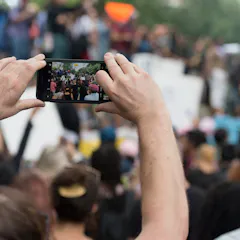
Google, Facebook, TikTok and Twitter have all agreed to a voluntary code of conduct targeting misinformation. But the only real commitment is to appear as though they’re taking action.
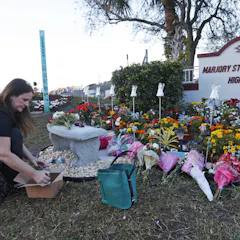
When many people believe the government is trying to take away their guns, events that make guns look bad can be misinterpreted as part of that nonexistent plan.

Americans who believe aliens have visited Earth are more likely than disbelievers to say that Joe Biden is not the legitimate winner of the 2020 presidential election.

An inevitable part of the internet age, some conspiracy theories appear and then fade, but in the US particularly, creationism seems firmly embedded in religion, education and pseudoscience.

Theories that antibodies affect the placenta are completely unfounded.

The type and amount of misinformation closely tracks tensions in US-China relations. Effectively countering the misinformation comes down to who does the debunking.

Encrypted messaging services like Telegram provide virtual dark corners where far-right extremists can recruit, organize and plan unhindered.
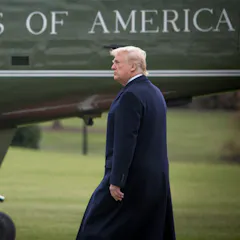
Analysis shows how Trump and Twitter spread QAnon extremism from the US to Europe, and how hard it will be to undo the damage.

A ‘psychological vaccine’ has the potential to counter belief in COVID-19 conspiracies.
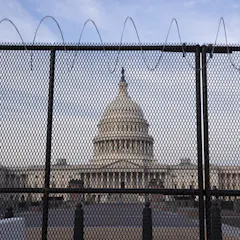
Incoming US president Joe Biden can’t mend a broken US democracy alone. Other liberal democracies, including NZ, need to get involved.

Prominent ‘danger’ signs are needed online to warn people about misinformation.
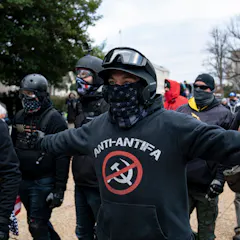
Mimicking other groups and making false claims of responsibility are popular deception tactics used in terrorism.
Top contributors
-

Associate Professor in Social Psychology, School of Psychology, University of Nottingham
-
Professor in Applied Cognitive Psychology, Manchester Metropolitan University
-
Senior Lecturer and Researcher in Cognitive and Parapsychology, Manchester Metropolitan University
-
Host of The Anthill Podcast, The Conversation
-
Professor of Social Psychology, University of Kent
-
Chair of Cognitive Psychology, University of Bristol
-
Professor of American Studies, University of Manchester
-
Senior Lecturer in Social Psychology, La Trobe University
-
PhD candidate Individualized Program, 2020-2021 Public Scholar, Concordia University
-
Senior Research Fellow, Melbourne School of Psychological Sciences, The University of Melbourne
-
Department of Media & Culture, Faculty of Humanities, University of Amsterdam
-
Senior Lecturer in Philosophy and Education; Curriculum Director, UQ Critical Thinking Project, The University of Queensland
-
Senior Lecturer in Psychology, The Open University
-
Associate Professor in Psychology, Te Kunenga ki Pūrehuroa – Massey University
-
Associate Professor of Sociology, University of Dayton