

Anti-5G conspiracy theories have been around for some time, but the coronavirus crisis is winning them new supporters.
Articles on Conspiracy theories
Displaying 241 - 260 of 336 articles

QAnon refers to the online community that believes in conspiracy theories about Donald Trump and the so-called deep state, and is spreading harmful misinformation about COVID-19.
Researchers have been able to track how radical communities on the fringes of the web essentially manufacture conspiracy theories.
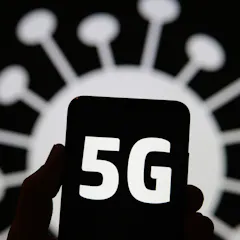
As if attacks on health workers weren’t upsetting enough, reports indicate broadband engineers are now also being abused - as conspiracy theorists link 5G technology with to COVID-19’s spread.

PODCAST: How the internet has and hasn’t changed the game for the spread of conspiracy theories.

Like conspiracy theories, pandemics are about an invisible and powerful enemy hiding among us.
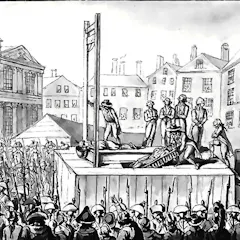
The dangerous legacy of a letter received by Augustin Barruel, a French Catholic priest and famous conspiracy theorist, in the early 1800s.

We explore the birth of modern-day conspiracy theories.

Why have conspiracy theories so easily circulated during the COVID-19 pandemic? What do these theories tell us about societies and what challenges do they present?
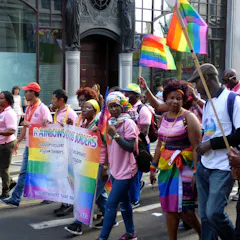
One in three Polish people believe in a ‘gender conspiracy’, according to new reserach.

We find out what psychological factors influence whether you believe in conspiracy theories or not.

John F Kennedy’s assassination was a turning point in how conspiracy theorists became viewed.

PODCAST: Part one of the Expert guide to conspiracy theories from The Conversation’s Anthill podcast.

Conspiracy theorists are traders in illusion – here’s how not to fall for their tricks.

PODCAST: A six-part series from The Conversation’s Anthill podcast exploring the world of conspiracy theories.

Conspiracy theories bloom in times of uncertainty and foster distrust of medical authorities.

Deciphering the political and historical basis of climate denial in America, of which Trump is the worthy heir.

How conspiracy theories, such as the Crowdstrike theory that Ukraine was behind the attack of the Democratic Party’s server, draw from storytelling techniques.

Being accepted by others matters more to us than being factually correct – and this is the key to tackling our post-truth society.
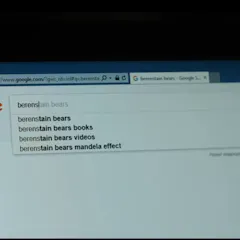
Real-life adherents to the Mandela Effect veer into conspiratorial thinking. But they do hit on an important truth: Our understanding of history is malleable.
Top contributors
-

Associate Professor in Social Psychology, School of Psychology, University of Nottingham
-
Professor in Applied Cognitive Psychology, Manchester Metropolitan University
-
Senior Lecturer and Researcher in Cognitive and Parapsychology, Manchester Metropolitan University
-
Host of The Anthill Podcast, The Conversation
-
Professor of Social Psychology, University of Kent
-
Chair of Cognitive Psychology, University of Bristol
-
Professor of American Studies, University of Manchester
-
Senior Lecturer in Social Psychology, La Trobe University
-
PhD candidate Individualized Program, 2020-2021 Public Scholar, Concordia University
-
Senior Research Fellow, Melbourne School of Psychological Sciences, The University of Melbourne
-
Department of Media & Culture, Faculty of Humanities, University of Amsterdam
-
Senior Lecturer in Philosophy and Education; Curriculum Director, UQ Critical Thinking Project, The University of Queensland
-
Senior Lecturer in Psychology, The Open University
-
Associate Professor in Psychology, Te Kunenga ki Pūrehuroa – Massey University
-
Associate Professor of Sociology, University of Dayton