
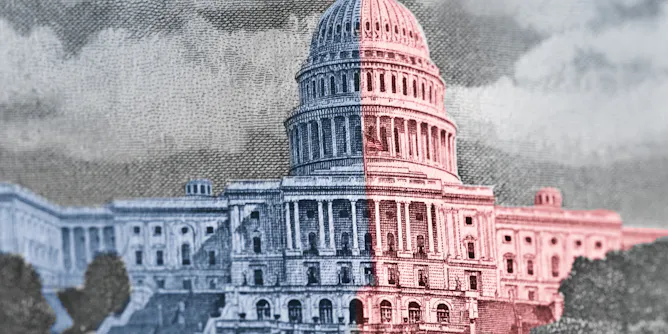
Section 3 of the 14th Amendment was first used against Confederate leaders after the Civil War to expel seditionist politicians. Now it could be used against Donald Trump.
Articles on Confederacy
Displaying 21 - 40 of 50 articles

The whole world saw the Jan. 6 attack on the US Capitol. How will the textbooks read by America’s students describe what took place?
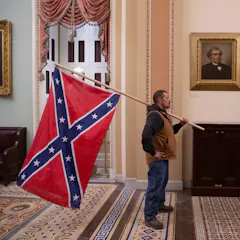
Since its creation, the infamous diagonal blue cross with white stars on a red background has been a symbol of white resistance to giving Black Americans more political power.
Much as the South rejected President Lincoln’s election with a massive armed uprising, could President Trump’s many supporters rise up and overthrow a Biden-led government?
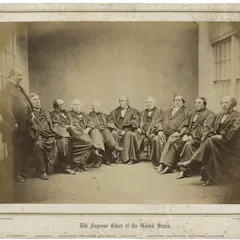
In the 1860’s, the Supreme Court was a ‘partisan creature’ and President Lincoln and the Republican Party remade it so that it reflected the party’s priorities.
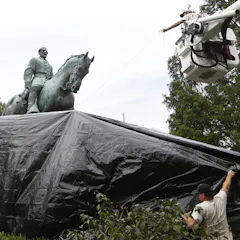
Once stripped of their symbolic power, problem monuments offer what educators call ‘teachable moments,’ helping people assess society’s current values and compare them with what mattered in the past.
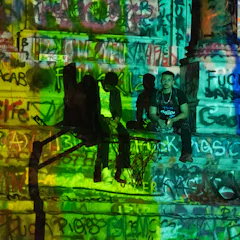
Protests of Confederate flags and monuments have grown since 2015, but resistance is not new. African Americans have been protesting against Confederate monuments since they were erected.
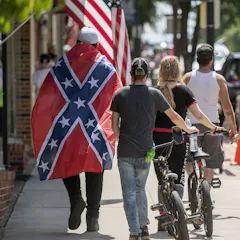
Flying the distinctive Confederate flag stokes strong reactions — as Australian soldiers are discovering.

Symbols of the Confederacy can be seen in Brazil, Ireland, Germany and beyond. While some people may not grasp their racist history, others clearly fly the ‘rebel flag’ to defend white supremacy.

History will cast a long shadow over Donald Trump’s first campaign rally since the pandemic began.

A new look at detailed data about Civil War skirmishes along the Mississippi River reveals another key to the Union’s victory.

Take a good look at those old Christmas ornaments before hanging them on the tree – you may find it’s time to retire some family keepsakes.
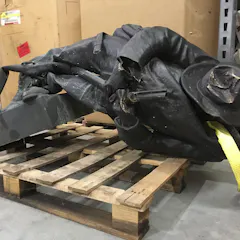
Where do old Confederate statues go when they die? The former Soviet bloc countries could teach the US something about dealing with monuments from a painful past.

The Confederate flag debate has arrived to Brazil, pitting black activists against the Brazilian descendants of soldiers who fled the South after the Civil War.

Virginia’s stark political contradictions, reflecting centuries of racism and a new liberal majority, were on display when a blackface image was found recently on the governor’s old yearbook page.
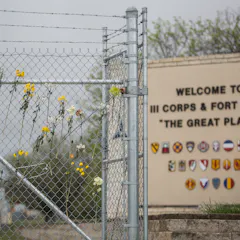
In scrutinizing statues honoring Confederate figures, journalists have overlooked military bases named after generals who fought to defend the slavery of black people.
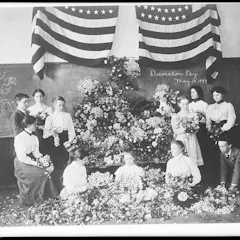
Memorial Day was born out of generous gestures after the Civil War: Southerners decorated graves of Confederate soldiers as well as those of former Union enemies.
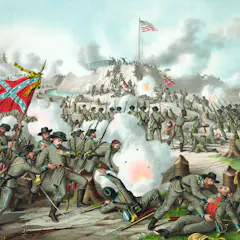
Those calling it slavery fan fiction are ignoring the long, nuanced tradition of articles and films that wonder what would have happened if the South had won.
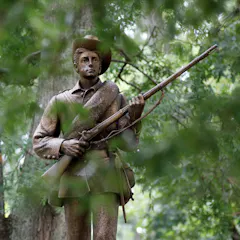
Should they stay or should they go?
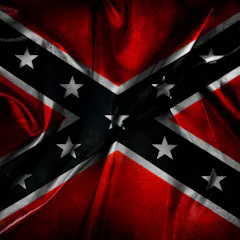
To pitch an alternative timeline, you first have to believe a particular narrative of real history. That’s where things can go wrong.
Top contributors
-

Visiting Assistant Professor of Geography, Macalester College
-
Professor and Chair of History Department, Colorado State University
-
Derek H. Alderman is a Friend of The Conversation.
Chancellor's Professor of Geography, University of Tennessee
-
Associate professor emeritus, Journalism, Virginia Commonwealth University
-
Paul and Charlene Jones Chair in Law, University of Alabama
-
Professor, Dean of the School of Arts & Sciences, Tufts University
-
Professor Of Modern American History, University of Sussex
-
Associate Professor of Political Science, University of Oregon
-
Distinguished Professor of History, University of Arkansas
-
Associate Professor History, University of Maryland, Baltimore County
-
Professor of History and Director of the Undergraduate Program in Judaic Studies, Fairfield University
-
Professor of History, Morehouse College
-
Associate Professor of English, Virginia Tech
-
Professor of Curriculum & Instruction, University of Connecticut
-
Adjunct professor, Baylor University