
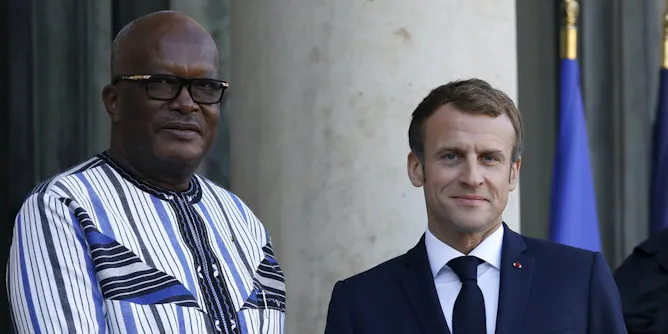
L'approche de Macron à l'égard de la politique africaine s'inspire des stratégies des années 50 en raison notamment des similutudes avec la période qui a suivi la Seconde Guerre mondiale.
Articles on Colonialism
Displaying 361 - 380 of 740 articles
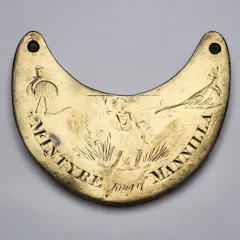
The Ancestral Remains of Aboriginal people still lie in British museums or in graves, marked and unmarked.

Stone tools, clubs, boomerangs, decorative shellwork: a survey of 45 museums in the UK has found a vast number of Indigenous Australian objects. Not all were stolen; some were gifted or traded.
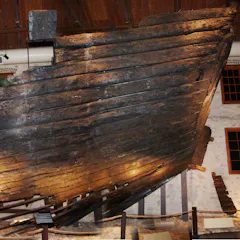
Archival records of Dutch timber trade before 1650 are rare or lost. But the wooden timbers of the Batavia contain many secrets.
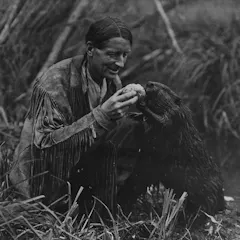
Those quick to call-out are often not clamouring for Indigenous nations’ jurisdiction over citizenship, nor are they demanding “pretendians” be held accountable to Indigenous nations.

Macron’s approach to Africa policy emulates the 1950’s strategies. Why? A big part of the answer can be found in the fact that today’s global circumstances are similar to those of post-World War II.
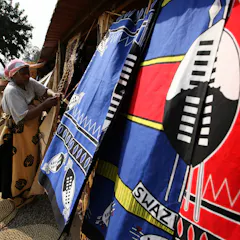
International borders were negotiable for the right price. What residents of former ‘homelands’ and of Lesotho and eSwatini have in common now are limited government services and few job prospects.
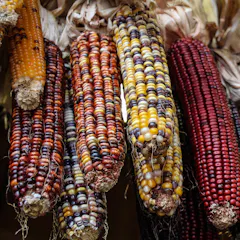
Our food systems are failing to feed all of us.
In this episode of Don’t Call Me Resilient, we pick apart what is broken and ways to fix it with two women who battle food injustice.
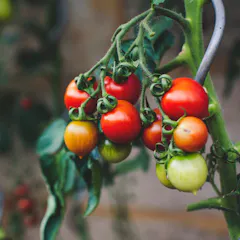
The COVID-19 pandemic has highlighted the problem of food insecurity for many people, especially racialized and Indigenous households.

In this episode, two Indigenous scientists running collaborative labs to address our climate crisis offer some ideas for environmental justice, including a redefinition of pollution.
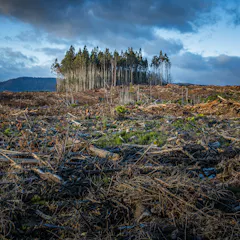
Colonialism is manifested by the way pollution impacts the lives of Indigenous peoples in Canada. Two Indigenous environmental scientists discuss how they’ve overcome obstacles in their research.

Africans are stereotyped as having no regard for time and timing. This is a myth.
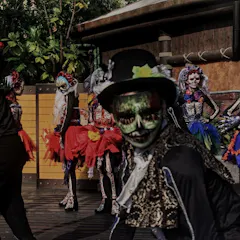
A Mexican-American scholar writes that in the 1700s, Day of the Dead generated the largest annual market in Mexico City.

A better understanding of what most genocide scholars believe can help people understand how Canada’s Indian Residential School system fits with the definition of genocide.
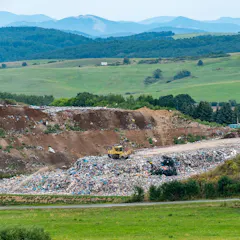
Although alternative terms have been suggested, the Anthropocene captures the magnitude of the crisis we face.

Major international donors, including the US and UK, are pledging to stop funding fossil fuel projects overseas, but they aren’t making the equivalent cuts at home.
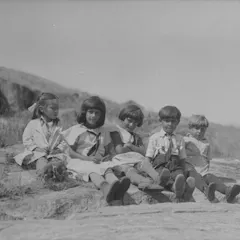
Transcript for Don’t Call Me Resilient Podcast EP 8: Stolen identities: What does it mean to be Indigenous?
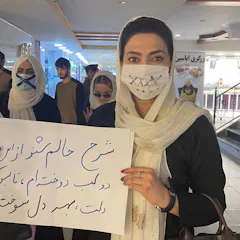
Two Afghan women scholars write about how Afghan women’s groups have been fighting for human rights, both now and historically.
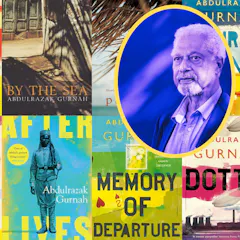
Gurnah won the prize for his “uncompromising and compassionate” look at the “effects of colonialism and the fate of the refugees”.
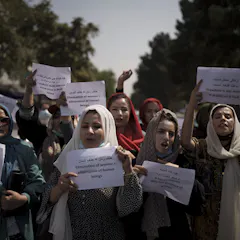
How can we reconcile competing claims that colonialism of any kind is detrimental with the view that Afghanistan has been failed by the West?
Top contributors
-

Professor of Indian and Colonial History, University of Liverpool; Independent Social Research Foundation
-
Professor of Sociology, University of the Witwatersrand
-
Extraordinary Professor, Department of Political Sciences, University of Pretoria
-
Research Fellow at the University of the Free State, South Africa and Assistant Professor in the History of International Relations, Utrecht University
-
Assistant Professor of Political Science, Lakehead University
-
Associate professor, McGill University
-
Professor in Political Science, Arnold Bergstraesser Institute
-
Head of Research Programme, Council for the Development of Social Science Research in Africa
-
Associate Professor Sport History, Stellenbosch University
-
Political Scientist, University of the Western Cape
-
Adjunct Professor, Stout Research Centre, Victoria University of Wellington and Auckland University of Technology, Professor of Political Science, Charles Sturt University
-
SSHRC Postdoctoral Fellow, Centre for South Asian Studies, Munk School of Global Affairs, University of Toronto
-
Curator & Section Head, Oceania, The British Museum
-
Associate Professor, Departments of History and Indigenous Studies, University of Manitoba
-
Professor, Department of Archaeology and Human Evolution Research Institute, University of Cape Town