
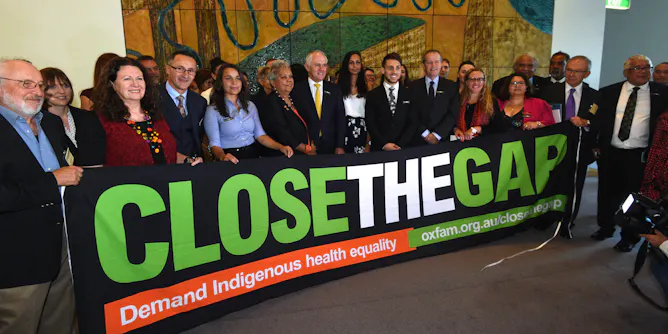
To Close the Gap, Indigenous Australians are the experts. Indigenous organisations are more likely to achieve outcomes because they understand local issues and have ‘skin in the game’.
Articles on Closing the Gap
Displaying 101 - 120 of 138 articles

The latest census data reveals valuable insights into Closing the Gap targets. While there’s some improvement in school attendance rates, all other indicators suggest a radical rethink is required.
Looking past the headline Census figures, we see divergences between rural and urban Indigenous populations, and the young and old.
Despite the promise of Black Lives Matter, it has not been taken up as a central political movement by Indigenous Australians.

Indigenous youth are over-representation in juvenile detention centres, and excluding them from education could make this worse.

Hepatitis B rates in Indigenous communities are ten times higher than the rest of Australia. Eliminating the infection from Indigenous Australia can make a significant contribution to closing the gap.

An independent expert provides his pick of the most notable drugs added to the PBS on May 1, 2017.
The report focus on the government’s own policies fails to acknowledge genuine differences of opinion on key issues such as constitutional recognition and income management.
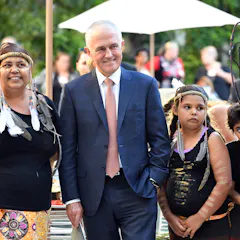
Kevin Rudd called for more to be done to halt the increasing number of Indigenous children being removed from their families.
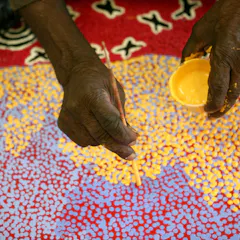
Waves of policies from successive Coalition and Labor governments have followed a paternalistic lead. This has created further impediments to thousands of Indigenous peoples who are doing plenty.
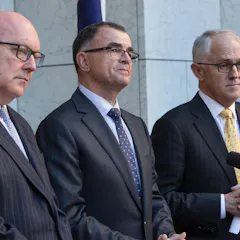
The high rate of both youth and adult indigenous incarceration is a national disgrace.
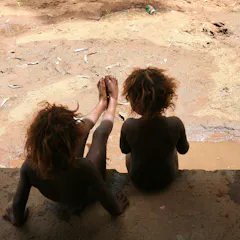
Around 20% of Aboriginal births in Western Australia between 1996 and 2012 weren’t registered, new research shows. This has many social and health ramifications for their future.
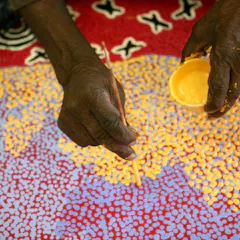
Serious policy focus on Indigenous affairs has been notably absent during the early weeks of the long election campaign.
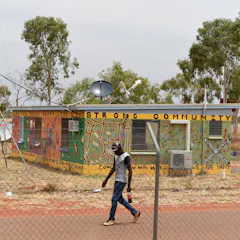
In some Indigenous communities, the ratio of programs to people served is possibly the highest in the world. Somehow, for many, Closing the Gap remains an elusive goal. A rethink is needed.
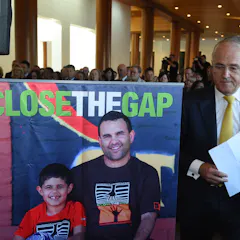
Across Indigenous Australia, innovation is occurring locally, under the radar of government policies and support. We can look to this innovation and stop fixating on finding the elusive policy solution.

After years of neglect and a notable absence in last week’s Closing the Gap report, nutrition is finally being recognised as integral to closing the gap on Indigenous disadvantage.
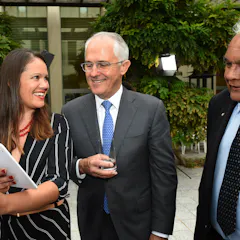
The formation of the Close the Gap Campaign in March 2006 has provided ongoing focus and scrutiny on the health inequalities faced by Indigenous Australians.
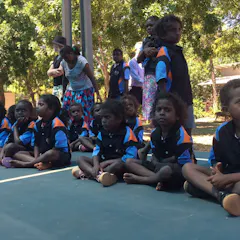
Australia’s appalling record of equity in education has once again been confirmed in the latest Closing the Gap report. Prime Minister Malcolm Turnbull announced the report’s dismal findings present an…
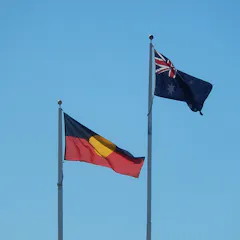
Superannuation is a highly researched area, but little has been done on how Indigenous workers fare. The picture is not pretty.
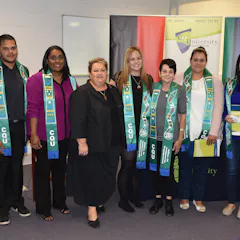
If we’re serious about closing the gap in Indigenous education, our new research shows the value of building better bridges into universities and vocational education.
Top contributors
-

Professorial Fellow, University of Canberra
-
ARC DECRA Fellow, Australian National University
-
Professor of Economics and Public Policy, ANU College of Arts and Social Sciences, Australian National University
-
Director of Monash Indigenous Studies Centre, Chief Investigator for the Australian Research Council Centre of Excellence for the Elimination of Violence against Women (CEVAW), School of Philosophical, Historical & International Studies, School of Social Sciences (SOSS), Monash University
-
Senior Lecturer in Criminology and Social Policy, The University of Queensland
-
Professor of Indigenous Health, Executive Director, Carumba Institute, Queensland University of Technology
-
Senior Lecturer of Indigenous Studies, Indigenous Education and Research Centre, James Cook University
-
Professor of Law, University of Technology Sydney
-
Professor, Principal Research Fellow & Deputy Head of School, School of Education, The University of Queensland
-
Professor of Construction Management, University of Technology Sydney
-
Associate Professor, University of Tasmania
-
Emeritus professor, School of Regulation and Global Governance, ANU, Australian National University
-
Associate Professor of Public Policy, Crawford School of Public Policy, Australian National University
-
Dean, Medical School, Curtin University
-
Senior Lecturer in Social Research and Policy, UNSW