

The assumption that more detail is better is questioned by a new study.
Articles on Climate models
Displaying 41 - 60 of 75 articles
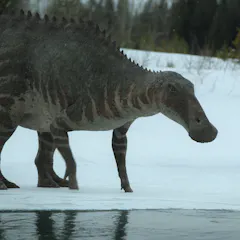
Yes, dinosaurs really did survive in snow – we simulated the Cretaceous climate to prove it.
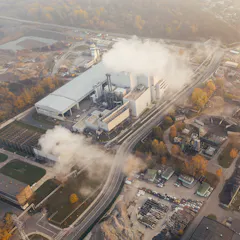
Research shows large-scale reliance on carbon capture risks postponing climate action too far into the future.

If fossil fuel burning stopped, emerging research suggests air temperatures could level off sooner than expected. But that doesn’t mean the damage stops.
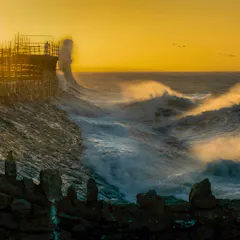
Sting jets are poorly understood, but could have a big influence on Britain’s future winter storms.

Weather forecasting is complex and challenging. The process entails three steps: observation, analysis and communication.
Climate models from the 1970s and 80s stand up incredibly well when compared with actual warming trends.

Climate models can’t see tornadoes, but they can recognize the conditions for tornadoes to form. An atmospheric scientist explains what that means for forecasting future risks.
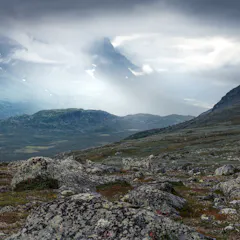
New climate simulations show that there will be more rain and less snow falling in the Arctic by the end of the century, particularly in the fall and winter.

We need new experiments to model Earth’s climate if global warming is stabilised at 1.5°C. A new paper explains why.

Tea growers in Malawi and Kenya wanted site-specific climate information to help them manage and plan their farming practices to maximise yield and quality.

Is Dune scientifically plausible? We ran a climate model to find out.
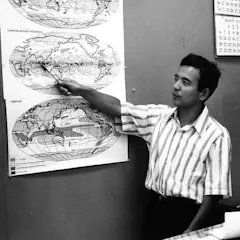
A 1967 study by Nobel-winner Syukuro Manabe changed climate science forever
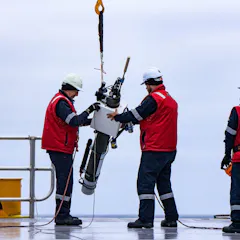
A new analysis, using 15 years of autonomous underwater measurements and simulations from the latest global climate models, refined our estimate of future ocean warming and sea level rise.
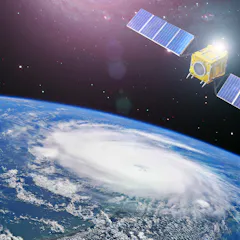
The amount of climate data available to us is growing exponentially, and is far too much to sort through ourselves. But machines can do this for us.

An article in the eminent US magazine Science has triggered debate over whether scientists should use climate models. Here’s what you should know about climate models ahead of today’s IPCC report.

The latest report on climate science comes on the heels of heatwaves, wildfires, flooding and storms. It will help policy-makers act on plans to curb emissions or adapt to climate change.
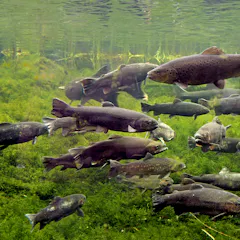
The growing frequency of climate extremes affected human health and caused wide-scale damages to the ecosystems that people depend upon, including agriculture, fisheries and freshwater.
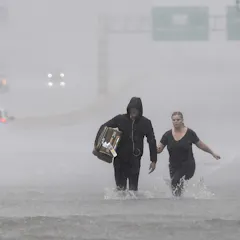
Scientists used artificial neural networks to analyze precipitation records. They found evidence of human activities influencing extreme rainfall or snowfall around the world.

Clouds can act as both blanket and parasol – warming our atmosphere at the same time as cooling it. But which effect will dominate?
Top contributors
-

Professor of Atmospheric Sciences, Climate Change Research Centre, UNSW
-
ARC Future Fellow and Associate Professor in Climate Science, ARC Centre of Excellence for 21st Century Weather, The University of Melbourne
-
Senior Lecturer in Atmospheric Science, Climate Change Research Centre, UNSW
-
Senior Research Associate in Meteorology, University of Bristol
-
Professor and Director of ACCESS-NRI, Australian National University
-
Principal Research Scientist, CSIRO
-
Senior Lecturer, The University of Melbourne
-
Director, ARC Centre of Excellence for the Weather of the 21st Century, Monash University
-
Chief Investigator, ARC Centre of Excellence for Climate Extremes; Chief Investigator, ARC Securing Antarctica's Environmental Future; Professor, Monash University
-
Adjunct Associate Professor in Climate Change, The University of Queensland
-
Professor of Mathematics at Center for Atmosphere Ocean Science, New York University
-
SA Research Chair in Climate Change, University of Cape Town
-
Research Scientist in Climate Variability, University of Reading
-
Adjunct professor, UNSW
-
Senior Researcher in Hydro-Climatology, University of Cape Town