

These are some of the most complex and important pieces of software ever written.
Articles on Climate models
Displaying 21 - 40 of 75 articles

A lack of human activity in the Southern Ocean is just one reason why the air is so clean. Clouds and rain play a vital role in scrubbing the atmosphere, removing natural airborne particles too.
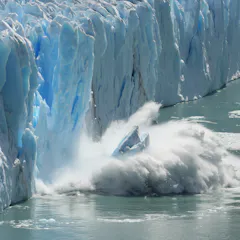
AI needs careful monitoring and the right policies to ensure it can benefit the fight against climate change.
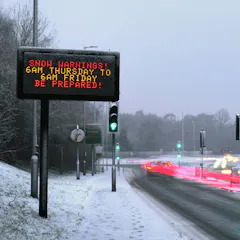
Cold snaps can affect everyday services and infrastructure, putting lives at risk.
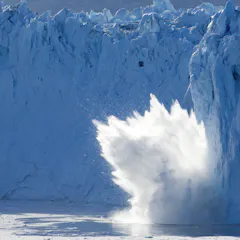
Scientists now have a better understanding of the risks ahead and a new early warning signal to watch for.

To date, the effects of climate change on global rainfall has been uncertain. New research overcomes this uncertainty – with alarming results.
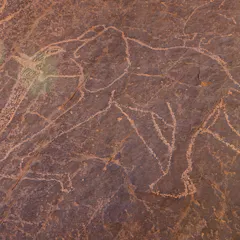
The Sahara Desert is green and vegetated every 21,000 years. A climate model shows why.
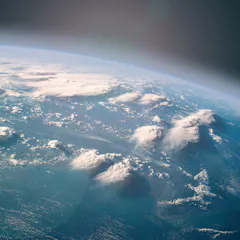
Is reaching net zero emissions by 2050 enough to halt warming? One leading scientist says no.

Global climate models don’t let us zoom in on the fine details. A new set of high-resolution climate models for Australia is solving this problem.

Back when there were Arctic alligators and turtles, ‘polar stratospheric clouds’ kept their world warm. Research suggests these clouds contribute to the ‘missing warming’ in climate models.
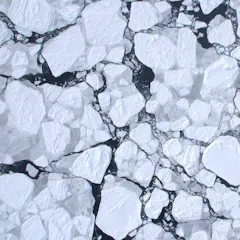
Antarctic sea ice is now nearly 9% below normal. But the dramatic decline is not universal around the continent, which makes it difficult to predict the overall impact of climate change.

Climate models suggest North Africa will get drier in future. But its caves tell a different story.

Projections for Hawaii’s climate future are raising concerns about fire risk, ecosystems and freshwater supplies for homes and agriculture.
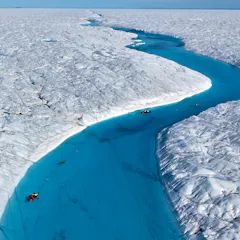
Glaciologists are discovering new ways surface meltwater alters the internal structure of ice sheets, and raising an alarm that sea level rise could be much more abrupt than current models forecast.

Marine life known as zooplankton might be the biggest problem with getting carbon cycling right in climate models. The potential variations in carbon uptake are greater than global transport emissions.

Hot days are getting hotter in north-west Europe – and the region is poorly equipped to cope.
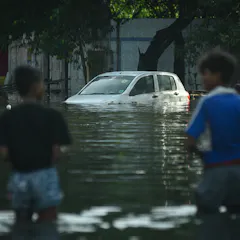
Climate models embed colonial attitudes and massive inequality.

After three long years of rainy weather, La Niña is over. But that doesn’t mean El Niño is a certainty. Here’s why.

Evidence in Earth’s natural archives, from tree rings to seafloor sediments, points to one trend. Some climate models suggest another.

Sea-level rise isn’t the only climate-related problem for our coasts – extreme waves that cause flooding and erosion are also changing, but exactly how is hard to predict.
Top contributors
-

Professor of Atmospheric Sciences, Climate Change Research Centre, UNSW
-
ARC Future Fellow and Associate Professor in Climate Science, ARC Centre of Excellence for 21st Century Weather, The University of Melbourne
-
Senior Lecturer in Atmospheric Science, Climate Change Research Centre, UNSW
-
Senior Research Associate in Meteorology, University of Bristol
-
Professor and Director of ACCESS-NRI, Australian National University
-
Principal Research Scientist, CSIRO
-
Senior Lecturer, The University of Melbourne
-
Director, ARC Centre of Excellence for the Weather of the 21st Century, Monash University
-
Chief Investigator, ARC Centre of Excellence for Climate Extremes; Chief Investigator, ARC Securing Antarctica's Environmental Future; Professor, Monash University
-
Adjunct Associate Professor in Climate Change, The University of Queensland
-
Professor of Mathematics at Center for Atmosphere Ocean Science, New York University
-
SA Research Chair in Climate Change, University of Cape Town
-
Research Scientist in Climate Variability, University of Reading
-
Adjunct professor, UNSW
-
Senior Researcher in Hydro-Climatology, University of Cape Town