
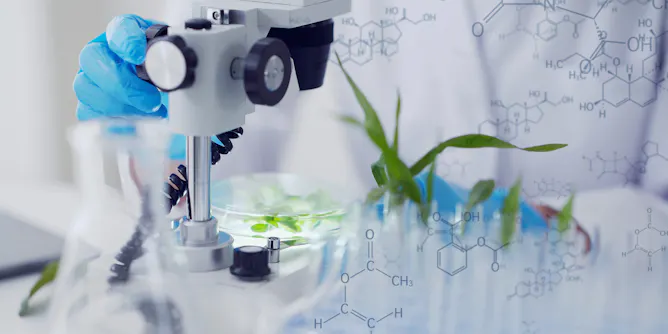
African governments must use the COP29 global climate change conference to make sure that artificial intelligence-driven advancements in agriculture and food production benefit all on the continent.
Articles on Climate justice
Displaying 41 - 60 of 132 articles
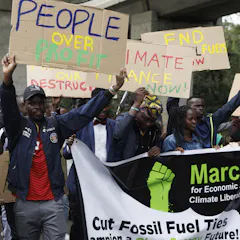
COP29 should end subsidies to fossil fuel companies, compel large-scale emitters to compensate affected regions and ensure that carbon taxes reflect the true cost of cleaning up pollution.

Climate change is a pressing issue, but its impacts are not felt equally by everyone. A new report seeks to address this by arguing for the importance of climate justice in the tourism industry.
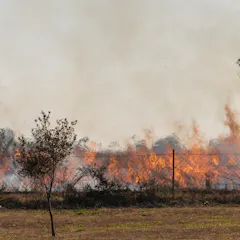
Deadly wildfires claimed the lives of 13 people in South Africa recently. Fires will increase as the climate warms. Landowners must stick to the law and try to prevent fires from starting.
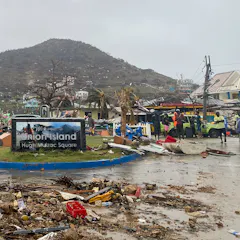
The countries most responsible for climate-driven extreme weather must do more to help.
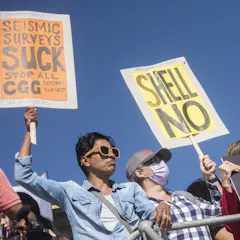
Communities who have lived off the land and the sea for hundreds of years will need to organise if they want to stop giant companies like Shell from destroying their livelihood by mining.

The remote Bassari community, located between Senegal and Guinea, experiences climate change as one of many changes. They are best placed to come up with solutions that work for them.
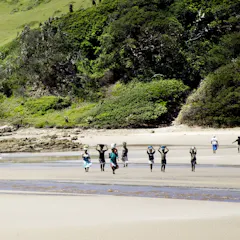
Indigenous people’s concerns and considerations could provide a strong basis for climate litigation in South Africa.
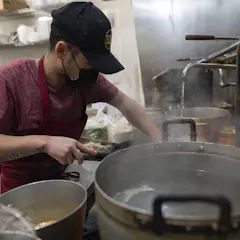
Global climates are changing and the world is rapidly warming. Canada’s labour laws must keep pace with the rate of change to protect workers.

South African courts are increasingly handing down judgments that take into account the future climate damage that new developments may cause.
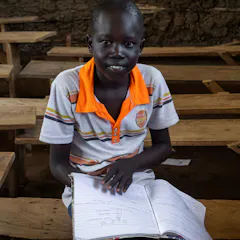
Teaching children about the environmental crisis can help fight climate change, but climate change is already negatively affecting children’s education around the globe.
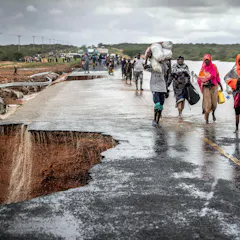
Projections show that there’ll be Indian Ocean dipoles in the future – and that means more rainy days, and more extreme rainfall.
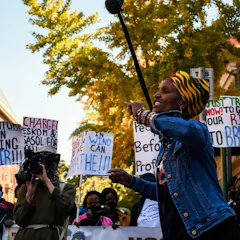
Women need legal aid to sue companies and governments over climate change damage to their communities.

As new climate-related cases are brought to court, our expert outlines key aspects that could change the legal landscape.
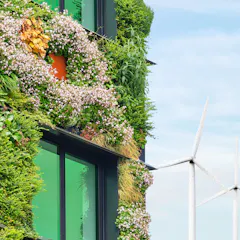
For the green transition to be fair and just to people and communities around the globe, countries must change the way energy is used and governed.
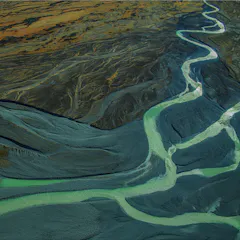
By allowing a case against local greenhouse gas emitters to go ahead, the Supreme Court of New Zealand has opened the door to a new front in climate law – one that takes tikanga Māori into account.

Cutting wealth inequality could curb the super-rich’s disproportionate share of emissions.
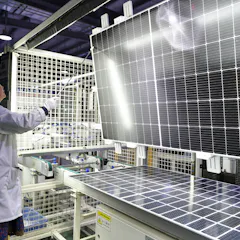
Africa must guard against new environment friendly trade rules that leave the continent in the poor position of exporting raw materials that developed nations use to manufacture green energy systems.
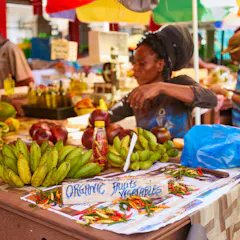
The African Food Systems Transformation Collective says COP28 must enable transition from fossil-fuelled food systems and leverage indigenous knowledge so that all can sustainably access good food.
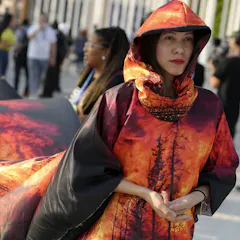
Theatre and the arts can be vehicles for thinking globally and acting locally, embracing alternative ways of knowing and acknowledging holistic approaches to addressing climate change.
Top contributors
-

Director of the Mandela Institute, Professor of Law, University of the Witwatersrand
-
Legal Researcher, PhD Candidate and Lead of the African Climate Law Programme, Mandela Institute, University of the Witwatersrand
-
Director of the Global Environmental Law Centre; Associate Professor Department of Public Law & Jurisprudence, University of the Western Cape
-
Professor of Sociology, University of British Columbia
-
Pro Vice-Chancellor, Climate, Sustainability and Inequality and Director, Southern Centre for Inequality Studies, University of the Witwatersrand
-
Director Mary Robinson Centre for Climate Justice, Glasgow Caledonian University
-
Senior Lecturer in Climate Justice, University of Bristol
-
Associate Professor, School of Law, University of Bradford
-
Associate Researcher in Climate Change and Inequality, University of the Witwatersrand
-
Adjunct Associate Professor, University of Cape Town
-
Professor of Environment and Sustainability, University of Michigan
-
Professor of Law, The University of Melbourne
-
Research Associate, Institute for Climate Risk and Response, UNSW
-
Associate Professor of Global Sustainable Development, University of Warwick
-
Professor of Global Environmental Politics, College of the Atlantic