
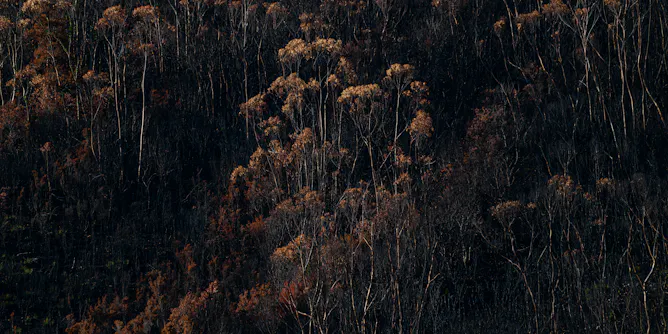
After almost 60 years, scientists have been able to prove an influential theory that wet eucalypt forest regrowth is more fire prone.
Articles on Climate change
Displaying 381 - 400 of 8653 articles

Addressing the issue requires getting frequent flyers to shift from planes to trains, but also asking wider questions about where we want to go and why.

Many insects in Africa are likely to face dangerous levels of heat stress, with serious consequences for ecosystems.
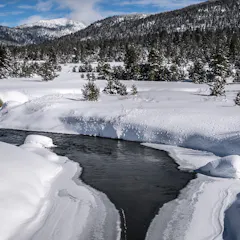
Streamflows the West relies on for drinking water and farms used to follow a fairly predictable arc as winter snow melted. Rising temperatures are changing that.
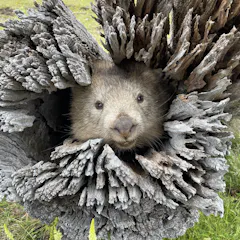
From wombat and mozzie surveillance to deciphering climate history and spotting star explosions, citizen scientists are instrumental in contributing knowledge.
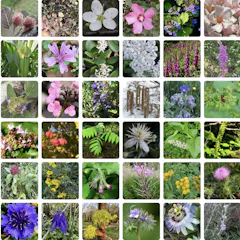
Pl@ntNet, the “shazam” for plants is a well-known app among the hiking community and nature enthusiasts, but not many know that it’s a precious resource for scientists.

A University of Pittsburgh researcher is studying why Pennsylvania residents who regularly encounter ticks still underestimate their risk of Lyme disease.
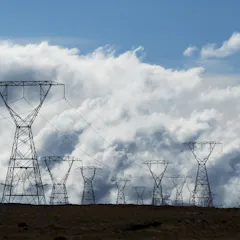
Two new fast-track energy projects offer very different paths: one tied to volatile fossil fuels, the other to a more sustainable, renewable future.
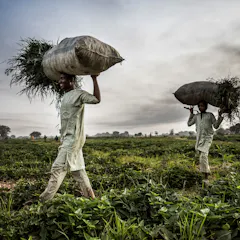
When conflict leads to abandoned fields, lost livestock, or altered investment decisions, it undermines food security and development.
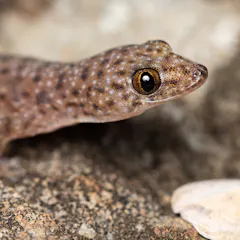
Biologists think tropical animals can’t really adapt when the environment changes – a new study challenges that view.

The podcast was created in partnership with UFPA to showcase what scientists in Brazil and Australia are doing to mitigate the impacts of climate change

The system is now twice the size it was when it reached far north Queensland, 5,700km and one week ago.

Media rituals based on reporting numbers and trends help us talk about complex issues using simple measures of progress or decline.
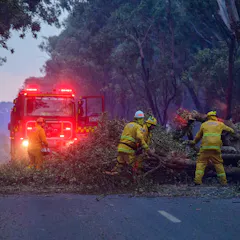
Extreme weather events are increasingly coming in waves, giving communities just days or hours to recover before the next disaster hits.

For many young people, climate change education is disconnected from what they see as helpful to everyday life.
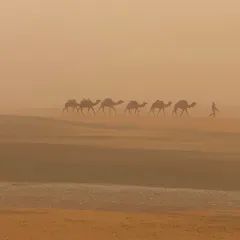
Rising temperatures and shifting winds are changing how dust travels from the Sahara to Europe.
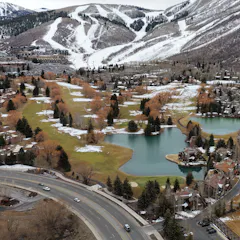
The 2026 water year has been anything but ordinary. In fact, its snow drought has few parallels in recent history.
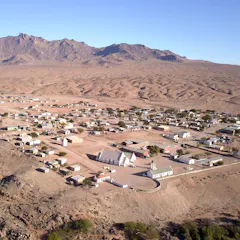
By 2100, rural African dwellers will be exposed to dangerous levels of heat nearly twice as high as those in urban areas.
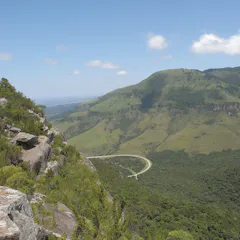
Carbon capture projects could provide the funds needed to restore land degraded by commercial farming and forestry.
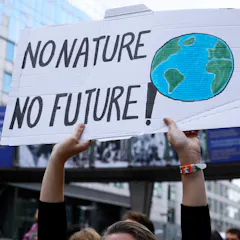
New research questions the “eco-anxiety” label and whether it really encompasses the complexity of the emotional, mental or physical distress young people feel over the planet’s woes.
Top contributors
-

Professorial Fellow, University of Canberra
-
ARC Future Fellow and Associate Professor in Climate Science, ARC Centre of Excellence for 21st Century Weather, The University of Melbourne
-
Chief Research Scientist, CSIRO Environment; Executive Director, Global Carbon Project, CSIRO
-
Professor of Earth System Science, UCL
-
Research Associate, Institute for Climate Risk and Response, UNSW
-
Professor, School of Economics, The University of Queensland
-
Professor, Crawford School of Public Policy and Director, Centre for Climate and Energy Policy, Australian National University
-
Adjunct professor, UNSW
-
Former Visiting Fellow, SPRU, University of Sussex Business School, University of Sussex
-
Professor emeritus, The University of Melbourne
-
Assistant Director of the Global Systems Institute, University of Exeter
-
Deputy Director, Engagement and Impact, The ARC Centre of Excellence for the Weather of the 21st Century, Australian National University
-
Chair of Cognitive Psychology, University of Bristol
-
Professor of International Relations, The University of Queensland
-
Senior Research Fellow, Melbourne School of Psychological Sciences, The University of Melbourne