
Salvage is a heartbreaking, life-affirming Australian dystopia that centres human connection – as the rich search for ways to escape and the poor salvage what they can.
Articles on Cli-Fi
Displaying all articles
Landfall is a haunting and propulsive crime novel, set in 2050s Sydney, that weighs the value of a human life on an ecologically ravaged planet.
Juice is a radical departure that asks readers to think differently about the future.

Societal collapse is a complex phenomemon tied to the abilities of a society to meet its population’s basic needs. Understanding past examples of collapse can provide valuable insights.
The End We Start From is an ecological disaster story set in a near-future London besieged by floods – as seen through the eyes of a new mother.
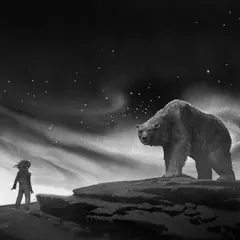
Climate stories that focus on solutions are more likely to inspire positive environmental action.
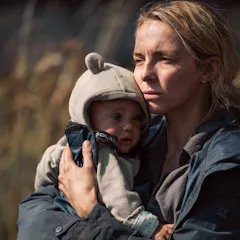
This powerful new eco drama suggests “cli-fi” could play a crucial role in climate communication.

Research suggests the act of creative writing can have therapeutic benefits.
Novels aren’t responsible for the climate crisis and probably won’t solve it, but there is plenty they can do. They can make us feel for lives unlike our own; modelling careful thinking and analysis.
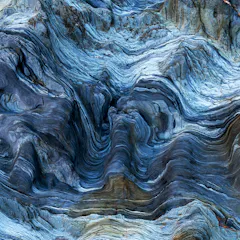
Almost a century ago, New Zealand and Australia were at the forefront of an environmental crisis that forewarned of humanity’s global impact – erosion. It left its mark on culture.
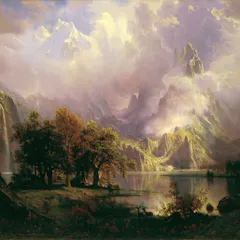
Literature of the past can help us to make the cultural shift that’s necessary to address climate change.

These seven cli-fi novels will get you fired up for action.
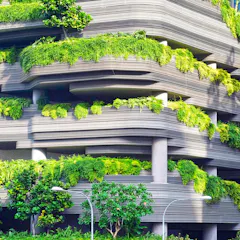
Our responsibility to consider how the future might look for generations to come requires imagination.
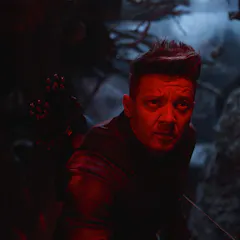
Although not pitched as one, Avengers: Endgame is an environmental movie. But in reality, we need to face our fears and find solutions, rather than perpetuating the fantasy of regressing into the past.
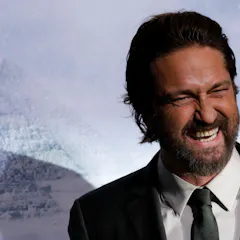
Geostorm is the newest addition to the Hollywood climate doom canon. It is terrible, which is why you should think about this genre but under no circumstances actually watch this movie.
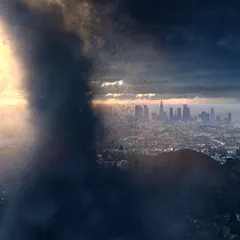
Climate scientists often bombard their audiences with facts and figures - a method of communication that often doesn’t work. Perhaps this is where cli-fi can step in, with its compelling characters and just slightly embellished science.
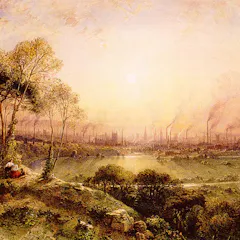
Can the Victorian novel offers us a means of thinking and feeling about our own moment anew?
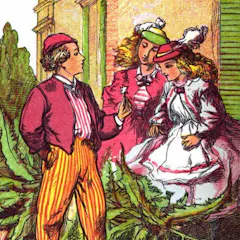
The Industrial Revolution choked English cities in smog, filled rivers with waste and spread disease in crowded cities. At the same time, fairy tales about humans destroying nature proliferated.

A volcanic eruption in 1815 triggered a year without a summer – prompting a flowering of nature writing that is all too relevant today.
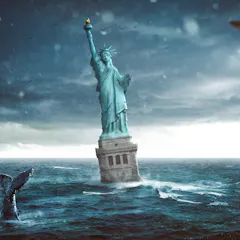
Climate disaster films are an emerging genre that reflect people’s desire to cope with a changing planet through art. How will they affect public attitudes on climate change?
Top contributors
-

Professor of Environmental Humanities, University of Leeds
-
Senior Lecturer in English, Te Kunenga ki Pūrehuroa – Massey University
-
Director of External Research for frank, College of Journalism and Communications, University of Florida
-
PhD candidate, The University of Melbourne
-
Deputy Director, Engagement and Impact, The ARC Centre of Excellence for the Weather of the 21st Century, Australian National University
-
Former Visiting Fellow, SPRU, University of Sussex Business School, University of Sussex
-
Lecturer in Creative Writing, The University of Melbourne
-
Lecturer in Creative Writing, Liverpool Hope University
-
Associate professor, Flinders University
-
Lecturer in English, University of Canterbury
-
John Rowe Lecturer in Australian Literature, University of Sydney
-
Professor of Sustainable Practice, University of Southampton
-
Reader in English Literature, University of Surrey
-
British Academy Postdoctoral Fellow in English, University of Leeds
-
Professor in Human Geography, Royal Holloway, University of London