

Refugee camps should only be a temporary solution. They’re no place for ongoing health care.
Articles on Chronic diseases
Displaying 81 - 100 of 231 articles

Cardiac rehabilitation is a low-cost approach with proven benefits for heart patients, that drastically lowers future cardiac risks. So why do only 10 to 25 per cent of heart patients access it?

Studies show long COVID is common enough to be a major public-health threat. It can damage the brain and other organs and may remain silent during childhood but cause chronic disease in later life.

A number of recent studies indicate people who have had COVID are more likely to be diagnosed with diabetes.

The government has decided it’s time for Australia to open up and get “back to normal.” This has made life more dangerous for vulnerable groups such as First Nations people.
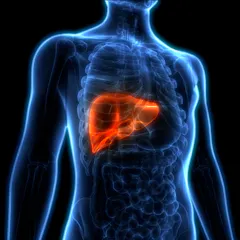
Non-alcoholic fatty liver disease is surprisingly common, affecting about one in four adults. Eating processed foods and sugary drinks can increase the risk of developing the disease.

Extra virgin olive oil contains polyphenols, which studies have linked to a range of different health benefits.

One in three children experiences abuse or neglect. These adverse events increase lifelong risks for chronic diseases and mental health issues, creating a public health hazard hiding in plain sight.

DNA and mRNA vaccines produce a different kind of immune response than traditional vaccines, allowing researchers to tackle some previously unsolvable problems in medicine.

Genes and environments almost always combine to influence our risk of diseases. Research in twins has helped us understand how.

Weight discrimination, like teasing, is common among youth and linked to eating disorders and depression. Youth’s health and well-being would be best supported by not focusing on their weight.

Those directly exposed to toxic dust and trauma on and after 9/11 carry with them a generation of chronic health conditions, which are placing them at higher risk during the pandemic and as they age.

Connecting health apps to health care can enable better care for patients with chronic diseases, and it has the potential to lower skyrocketing US health spending.

Many plant-based products contain similar ingredients to ultra-processed foods.

Adults who experienced trauma in childhood may get poor medical care because they have trouble telling a clear story about their health.

While the pandemic has focused the world’s attention on how to prevent infectious disease, many of the lessons learned from COVID-19 prevention can also be applied to chronic disease prevention.
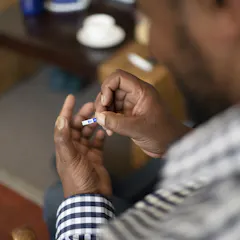
In 2019, 89,834 people died of diabetes. This number exceeds the capacity of Soccer City, the biggest football stadium in South Africa.

There are many initiatives around Australia designed to keep people with chronic conditions out of hospital. But to take these further, the health system needs a ‘license to innovate’.

Also known as Gulf War Syndrome, symptoms of the condition include chronic pain, fatigue, and memory problems.

‘Long COVID’ – in which people have symptoms lasting more than a few weeks – is turning out to be very common. People hospitalized for COVID-19 are at highest risk, but they aren’t alone.
Top contributors
-

Program Director, Health and Aged Care, Grattan Institute
-
Professor, Health Policy, Victoria University
-
Honorary Enterprise Professor, School of Population and Global Health, and Department of General Practice and Primary Care, The University of Melbourne
-
Professor of Public Health Policy, Deakin University
-
Health Policy Lead, Mitchell Institute, Victoria University
-
Professor of Health Promotion, Dalhousie University
-
Professor of Public Health, The University of Melbourne
-
Professor, School of Health Sciences, University of Newcastle
-
Associate lecturer, Nutritional Biochemistry, University of Hertfordshire
-
Postdoctoral research fellow, Deakin University
-
Conjoint Clinical Associate Professor, Deakin University School of Medicine and Specialist Pain Medicine Physician, Deakin University
-
Professor of Medicine, The University of Melbourne
-
Cardiologist at Westmead Hospital; Director of the Westmead Applied Research Centre, University of Sydney
-
Executive Director, George Institute Australia; Professor of Medicine, UNSW
-
Associate Professor, Epidemiology, Deakin University