

Australia has been known for having among the highest life expectancies in the world. But our new research shows that may only be true for older people, with those born after 1970 faring much worse.
Articles on Chronic diseases
Displaying 41 - 60 of 231 articles

After fleeing persecution, many refugees struggle to get care for serious physical and mental health problems in Australia.

Our new study is a reminder of how stigma and the stress that comes with it can have long-term consequences for people’s health.

The release of a parliamentary committee’s report on diabetes has again highlighted the need to improve Australians’ diets.

In the majority of cases, medications help patients. But even when treatment of individual illnesses is effective, treatment as a whole can become problematic.

A simple switch from regular salt to salt substitute alternatives will help reduce the risk of heart attack, stroke and kidney disease. It would also provide much-needed health expenditure savings.

‘Cardiac College for Women’ offers tailored cardiac rehabilitation education to bridge the gap in cardiovascular care and empower women to manage their heart health effectively.

Sugary drinks cause weight gain and increase the risk of a range of diseases. But a tax can reduce sales and make us healthier.

Employers have a duty to address work stressors and make adjustments for workers with long-term illnesses.

The health care world has changed a lot in 40 years, but Medicare hasn’t. Here are three areas for radical forms to the system that will achieve its aims of universal health care for all Australians.
In addition to saving costs for individuals and our health-care system, facilitating access to dental care would enhance the population’s oral health and potentially help in managing chronic diseases.

Eating too much salt is bad for our health. Governments and food manufacturers have a big role to play in reducing the salt content of Australians’ diets.

Should companies offer tailored timetables and workplaces on the basis of our different bodies, or are universal solutions, such as the four-day week, the way forward?

Some foods can affect how well your lungs function, how often you have asthma attacks and how well your puffer works. Here’s what to eat if you have asthma.

Bill C-7 has created ethical tensions between MAID providers and palliative care, between transparency and patient privacy, and between offering a dignified death rather than a dignified life.

The challenging realities surrounding end-of-life care are especially difficult for older people experiencing homelessness, who have more barriers to accessing hospice care.

A new study shows that the gut microbiota has little or no effect on our weight, metabolism and risk of developing chronic diseases.

Research has examined how ultraprocessed foods can contribute to diabetes, cardiovascular disease, cancer and mood disorders. A healthier diet is one way to use food as medicine.
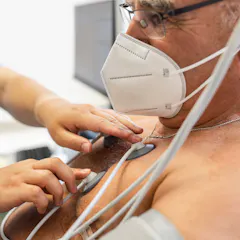
Many people with long COVID experience persistent debilitating symptoms like fatigue and brain fog. But a few develop more life-threatening and lasting damage to their heart and brain.

Aging is a major risk factor for many chronic diseases. Figuring out what influences longevity and how to identify rapid agers could lead to healthier and longer lives for more people.
Top contributors
-

Program Director, Health and Aged Care, Grattan Institute
-
Professor, Health Policy, Victoria University
-
Honorary Enterprise Professor, School of Population and Global Health, and Department of General Practice and Primary Care, The University of Melbourne
-
Professor of Public Health Policy, Deakin University
-
Health Policy Lead, Mitchell Institute, Victoria University
-
Professor of Health Promotion, Dalhousie University
-
Professor of Public Health, The University of Melbourne
-
Professor, School of Health Sciences, University of Newcastle
-
Associate lecturer, Nutritional Biochemistry, University of Hertfordshire
-
Postdoctoral research fellow, Deakin University
-
Conjoint Clinical Associate Professor, Deakin University School of Medicine and Specialist Pain Medicine Physician, Deakin University
-
Professor of Medicine, The University of Melbourne
-
Cardiologist at Westmead Hospital; Director of the Westmead Applied Research Centre, University of Sydney
-
Executive Director, George Institute Australia; Professor of Medicine, UNSW
-
Associate Professor, Epidemiology, Deakin University