

A longer life for humans and pets means more challenges for doctors and vets.
Articles on Chronic diseases
Displaying 161 - 180 of 231 articles

The increase in cases of non-communicable diseases in developing countries has led to an emerging pattern of high levels of multimorbidity.

The number of adults living with cancer is expected to triple in size by 2030. How can we prepare for this public health challenge?
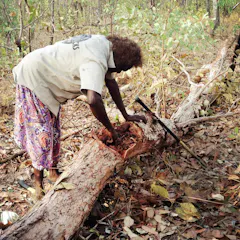
Some 20% of Aboriginal Australians suffer long term musculoskeletal pain and to date it has received little attention or recognition.

Why are we so shocked when we, or someone we know, becomes ill? It’s time to reclaim sickness as a normal part of life.
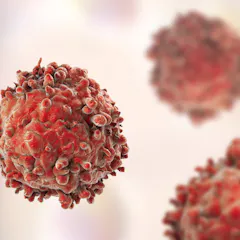
A new data portal bypasses the big data bottleneck to find targeted therapies for leukaemia.

Although genomics research has the potential to revolutionize medicine, it has limitations. It may not do much to prevent many of the leading causes of death.
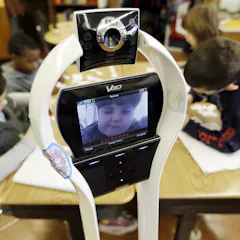
Students with chronic illness often get only a few hours of education a week. Telepresence robots could let them participate fully in classroom and school activities.

A new way of looking at what’s behind chronic disease takes into account social, environmental and other factors, rather than blaming individuals.

Adults who participate in a high overall level of sports and exercise are at 34% lower risk of death than those who never or rarely engage in such activities.

A collaboration of Australia’s leading scientists, clinicians and health organisations announce ten priority policy actions needed for Australia to reach its health targets by the year 2025.
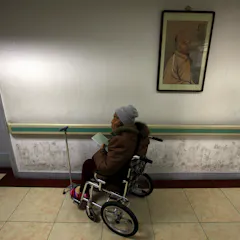
The burden of an ageing population on health systems is only going to grow, in both rich and poor countries.

Digital devices can make a real difference in treating chronic diseases. But many who have these conditions are poor, and they often cannot afford the devices.

Business Briefing: treat the cause not the symptoms of problems with private health insurance
The Conversation10.5 MB (download)
If customers are questioning the value of private health insurance its because of the way the system is distorted by government incentives.

Marketers take advantage of the fact that children sometimes can’t recognise the difference between product placement and advertising.

Almost three in four Australian children consume too much sugar, 91.5% of young people don’t get enough exercise, and we’re among the most obese people in the world.
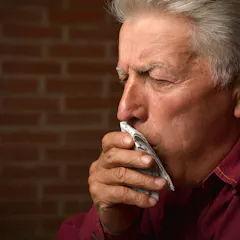
The lung is like an upside-down tree where the wind pipe is the trunk and the bronchi are the branches. Chronic lower respiratory diseases affect these branches.

The government’s focus on treating chronic disease neglects the importance of obesity and the benefits of preventive health measures tailored to gender and socioeconomic circumstances.

Living with a chronic disease is hard work. Today the federal government announced its intention to “revolutionise” the way chronic diseases and complex conditions are cared for.

Patients with chronic illness need support and encouragement to take their medications. SMS messaging is a simple, cheap and seemingly effective way to keep them on track.
Top contributors
-

Program Director, Health and Aged Care, Grattan Institute
-
Professor, Health Policy, Victoria University
-
Honorary Enterprise Professor, School of Population and Global Health, and Department of General Practice and Primary Care, The University of Melbourne
-
Professor of Public Health Policy, Deakin University
-
Health Policy Lead, Mitchell Institute, Victoria University
-
Professor of Health Promotion, Dalhousie University
-
Professor of Public Health, The University of Melbourne
-
Professor, School of Health Sciences, University of Newcastle
-
Associate lecturer, Nutritional Biochemistry, University of Hertfordshire
-
Postdoctoral research fellow, Deakin University
-
Conjoint Clinical Associate Professor, Deakin University School of Medicine and Specialist Pain Medicine Physician, Deakin University
-
Professor of Medicine, The University of Melbourne
-
Cardiologist at Westmead Hospital; Director of the Westmead Applied Research Centre, University of Sydney
-
Executive Director, George Institute Australia; Professor of Medicine, UNSW
-
Associate Professor, Epidemiology, Deakin University