

Around one in ten men experience mental health issues after having a baby. But many don’t seek help.
Articles on Child development
Displaying 41 - 60 of 390 articles

The time before conception is often overlooked by prospective parents, but is crucial as it sets the foundation for healthy pregnancies and, ultimately, thriving children.
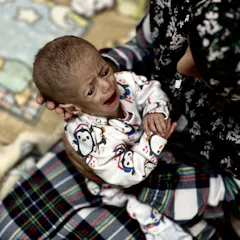
Starvation and malnutrition are harmful for anyone. But for infants the impact can be profound and lasting.

It’s not unusual in the social media era for young people to become famous. But fame is complicated – especially when you’re still growing and forming your identity.

New research has backed the call to delay tackling in junior sports before the age of 12 due to the risk of sports-related concussions.

A new strengths checklist aims to help parents, carers and clinicians more easily identify a child’s skills, talents and positive qualities.

When climbing trees, riding a bike fast or exploring a woodland, children make their own decisions on which risks to take and which to avoid.

Research shows an online course increases early childhood educators’ knowledge, confidence and intentions to incorporate physical activity during the child-care day.

Spatial awareness is a key prerequisite of handwriting development.

Some kids live a ‘double life’ when it comes to eating habits. But there are six ways to bring childcare eating habits home.

Playing online can help children explore and trial their developing identities.
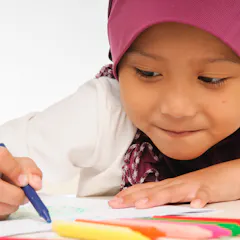
One of the tricky things about researching child development is that it occurs within a cultural and social context.

Science-based insights can help dial down parents’ anxiety by reminding them to let go of what they can’t control and focus on what matters most.

There is a rise in heterosexual prospective parents having a child outside a romantic relationship.

A well-known book or episode can provide comfort in a world full of strange new things.

Natural curiosity, developing motor skills, and a limited understanding of risk make for a dangerous combination.

Parenting’s ultimate goal is raising healthy, happy, successful children. Figuring out how to keep parenting once the kids are adults is just another transition.

Research shows that many factors influence how social media can impact – positively and negatively – the wellbeing of young people. But the media and politicians often draw simpler conclusions.
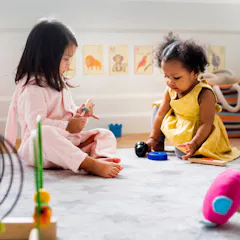
Canadian 24-hour movement guidelines for healthy development recommend naps for infants and children under two years, and nap options for ages three to four.
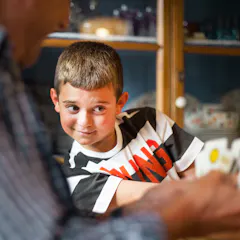
Everyone knows a kid who cheats at Monopoly, backyard cricket or perhaps even a test at school.
Top contributors
-

Professor, Canada Research Chair in Determinants of Child Development, Owerko Centre at the Alberta Children’s Hospital Research Institute, University of Calgary
-
Deputy Director, The Kids Research Institute Australia, Professor of Autism Research, The University of Western Australia
-
Associate Professor in Psychology, Deakin University
-
Professor of Clinical Neuropsychology, University of Cambridge
-
Postdoctoral Research Associate, Cognitive Neuroscience, University of Cambridge
-
Associate Professor of Developmental Psychology & Psychopathology, University of Leeds
-
Professor of Educational Psychology, University of Wollongong
-
Associate Professor, School of Psychology, Scientist, Children's Hospital of Eastern Ontario Research Institute, L’Université d’Ottawa/University of Ottawa
-
Professor of Science and Technology for Brain-Inspired Intelligence/ Computer Science, Fudan University
-
Director, Center for Community Child Health Royal Children's Hospital; Professor, Department of Paediatrics, University of Melbourne; Theme Director Population Health, Murdoch Children's Research Institute
-
Associate Professor, Department of Psychology, University of Essex
-
Assistant Professor in Psychology, Bond University
-
Senior Industry Fellow, School of Education, RMIT University
-
Associate professor, Monash University
-
Inaugural Roberta Holmes Professor, La Trobe University