
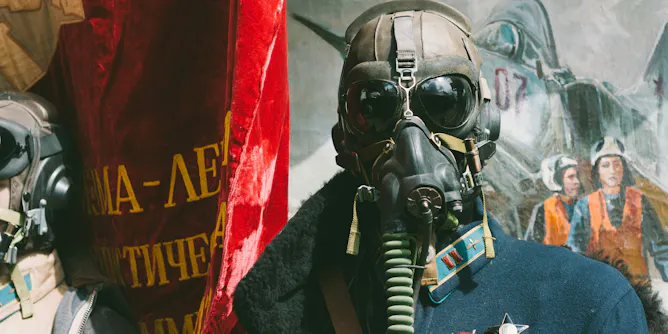
The use of chemical weapons has been outlawed for nearly a century.
Articles on Chemical weapons
Displaying 1 - 20 of 85 articles
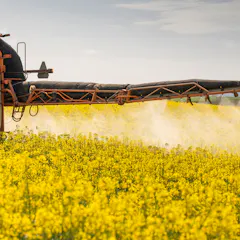
A labour and political ecology expert looks back at imperialistic logic and how chemical fertilisers have repeatedly served as strategic objectives and weapons, particularly in wartime.

There is a gap in international law protections when dangerous toxins are released due to attacks on sites like fuel depots.
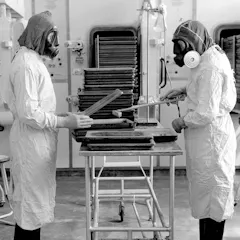
A whistleblower has raised safety concerns about working inside Porton Down, which has a long history of conducting dangerous biochemical research.
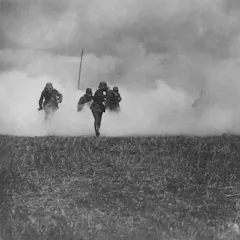
Mustard gas exposure is dangerous and traumatic – scientists are coming up with ways to detect its presence in the environment.
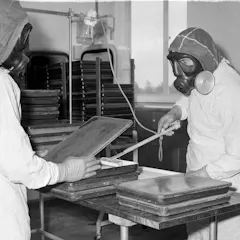
Porton Down’s archive was opened up
for a study into the health of the human volunteers in the nerve agent testing programme.
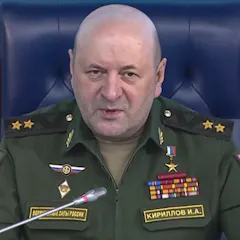
There is mounting evidence that Russia has used banned chemical weapons in Ukraine.

‘Dual-use’ AI systems for scientific research might also help nefarious actors create chemical or biological weapons.

Chlorine is a widely used industrial chemical that’s frequently a factor in toxic accidents and workplace injuries. A pharmaceutical expert explains why it’s so hazardous.
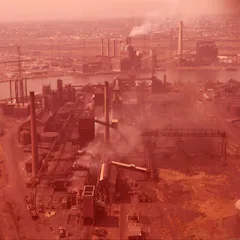
Societies celebrate heroes and commemorate tragedies. But why is there so little public acknowledgment of environmental disasters?
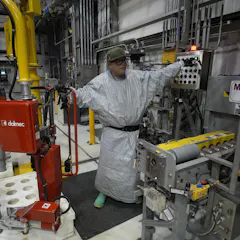
When it comes to chemical weapons, American condemnation, even if hypocritical, is still valuable.
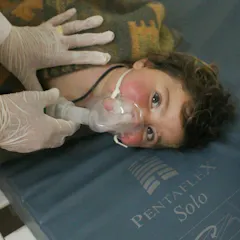
Chemical weapons and toxins are still being used in current wars. Without action, ecosystems and people are at risk.

Claims Russia has used chemical weapons in Ukraine will be difficult if not impossible to verify.

There are unconfirmed reports that Russia has used chemical weapons in Ukraine. Syria’s recent chemical weapons use offers context for understanding this tactic. Chemical weapons terrify civilians.

The laws of war and what is considered acceptable and unacceptable weaponry suggest there’s a right and wrong way to kill. It’s unlikely any of the victims of war would appreciate the distinction.
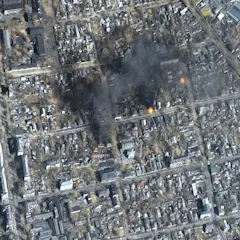
While chemical weapons are likely a greater threat than nuclear weapons, use of the latter is also not impossible.
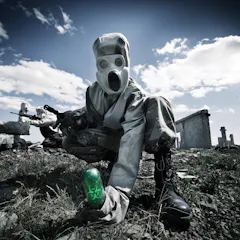
While it hasn’t admitted it, the world is sure that Russia has used the banned weapons in recent years.
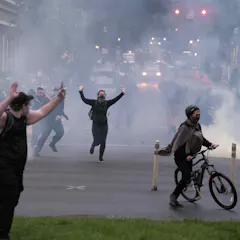
It goes against the basic principles of humanity and common sense to prohibit weapons in international conflict, but allow them to be used against civilian protesters.
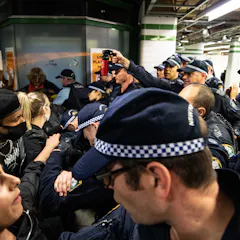
Pepper spray uses a chemical called capsaicin. It’s the same compound that makes chillies hot, but in a more intense, weaponised form.
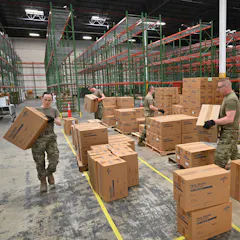
The paradox of the stockpile is that it’s meant to protect against future threats, but is limited by today’s imagination about what those threats might be.
Top contributors
-

Professor of International Relations, Royal Holloway, University of London
-
CBRN defence scientist, Charles Darwin University
-
Lecturer in Security and Public Policy, University of Bath
-
Senior Lecturer in Chemistry, University of Birmingham
-
Senior Lecturer in Epidemiology, Lancaster University
-
Assistant Professor, Institute of Security and Global Affairs (ISGA), Leiden University
-
Associate Professor of Chemical Engineering, The University of Melbourne
-
Professor of Science Communication and Chemistry, University of Hull
-
Emeritus Professor of Chemistry, University of St Andrews
-
Lecturer in International Relations and International Security, University of Bath
-
Professor (Emeritus) of Environmental Toxicology, University of Leeds
-
Senior Research Scholar at the Center for International Security and Conflict, Stanford University
-
Lecturer European Politics, Leiden University
-
Associate Fellow, SPRU, University of Sussex Business School, University of Sussex
-
Senior Lecturer in International Relations, University of Portsmouth