
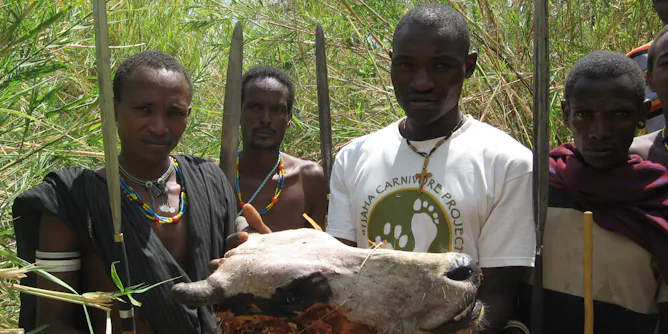
Human and wildlife conflict in Tanzania’s Ruaha region is extremely tense. There are many projects underway to alleviate this tension.
Articles on Changing wildlife
Displaying all articles
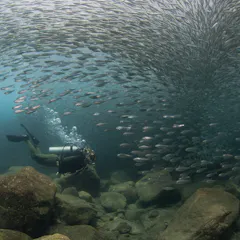
Over the past 80 years sardine and anchovy have become icons of modern-day marine biology, oceanography and climate research.
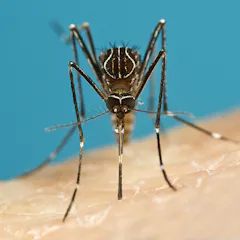
Could climate change cause mosquito-borne diseases to spread? While this an extremely important health question, the answer is far from simple.
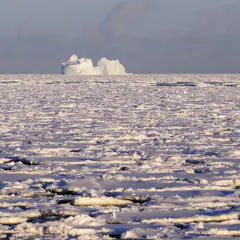
Hundreds of meters below the surface of the freezing ocean surrounding Antarctica, the seafloor is teeming with life. The animals living there have no idea that an army is on the brink of invading their tranquil environment.
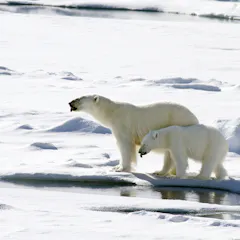
Could polar bears slip into a hibernation-like state to tough out lean hunting during summers with little sea ice? Sadly, experiment suggests no.
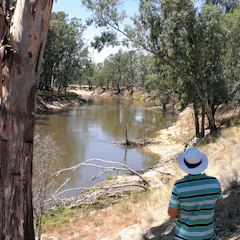
Around the world, waterbugs are the most widely-used indicator of environmental health and pollution of rivers, lakes and wetlands.
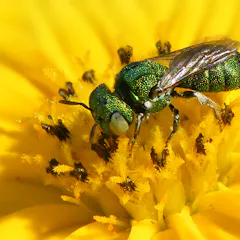
Data from all over the globe suggest that bees are in decline, and we may lose a lot more than honey if bees are unable to cope with the changing climate and increasing demand for agricultural land.
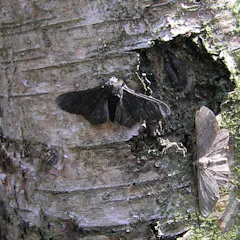
The peppered moth will always hold a special place in the annals of evolutionary biology. Its story is a classic example of natural selection, and of how animals can act as indicators of environmental change.
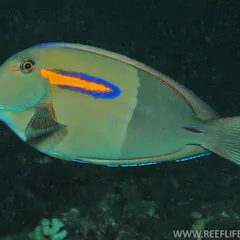
As warmer seas move further south, tropical wildlife is going with them, giving us a dramatic insight into how global warming is changing our oceans.
Top contributors
-

Centre Manager & Industry Liaison Officer ARC ITTC Centre for Fruit Fly Biosecurity Innovation, Macquarie University
-
Assistant Professor of Biological Sciences, Old Dominion University
-
Postdoctoral Research Scientist, Marine Biological Association
-
Senior Curator of Marine Invertebrates, Museums Victoria Research Institute
-
Assistant Professor, School of Energy, Geoscience, Infrastructure and Society // CEO MarFishEco Fisheries Consultant Ltd, Heriot-Watt University
-
Research fellow, Environmental Futures Research Institute, Griffith University; Estación Biológica de Doñana (EBD-CSIC)
-
Director of the Australian National Insect Collection, CSIRO
-
Senior Lecturer and quantitative ecologist, The University of Melbourne
-
Professor of Wildlife Conservation, University of Oxford