
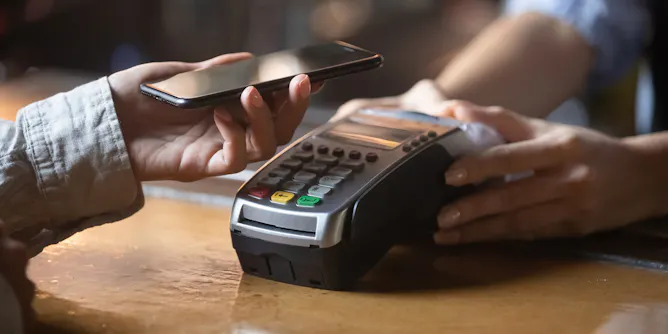
Contactless is king in Sweden, but people who do not have access to the technology are left behind.
Articles on cashless society
Displaying all articles
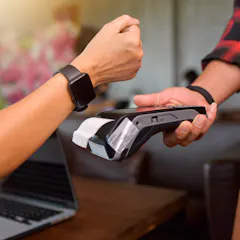
Tapping a card or device now affects the brain in the same way that spending notes and coins used to, research suggests.
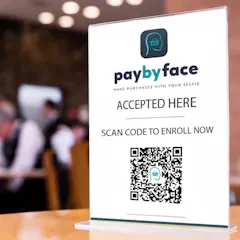
Facial recognition technology is not new, but using your face to pay for shopping is. New research has identified what will help consumers embrace this new tech, and what could stop them.

New research shows that paying cashlessly, whether by card or phone and regardless of any credit involvement, leads to spending more money.

Cash is still important to many Australians as a store of wealth and an alternative means of payment.
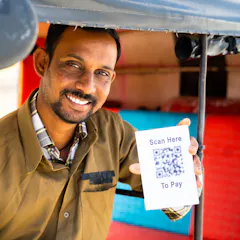
The UK could learn a lot from developing economies about using digital payments to boost financial inclusion.

Paying without cash is growing in popularity. But, as the experience of China over the past decade shows, the benefits of mobile payments can leave some groups behind.
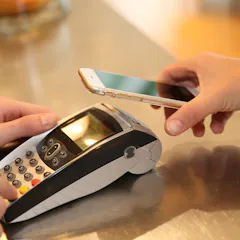
Christmas is traditionally a time of giving, including to charities and the needy. But what happens when so few of us carry cash anymore?
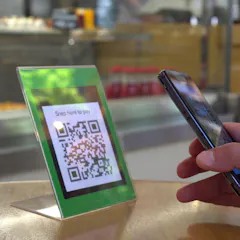
A fully cashless society has often been presented as natural or inevitable. The experiences of Sweden and Zimbabwe highlight some pitfalls.

There’s no indication that handling cash increases your chance of catching COVID-19. But that hasn’t stopped countries around the world from looking at digital currencies.
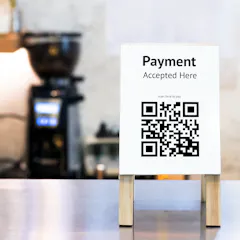
As cashless societies become a reality, we’re starting to see this technological revolution has a dark side.
Top contributors
-

Adjunct Professor, Swinburne University of Technology
-
Associate Professor, College of Economics and Management, Huazhong Agricultural University
-
PhD Candidate, Political Science, McMaster University
-
Senior Lecturer in Economics, Lincoln University, New Zealand
-
Associate Professor of Marketing, UMass Lowell
-
Associate Professor of Marketing, Auckland University of Technology
-
Professor of Marketing, Adelaide University
-
Professor of Global Development and Accountability, University of Essex
-
Lecturer in Anthropology, Macquarie University
-
Senior Lecturer in Marketing, The University of Melbourne
-
Associate Professor of Economics, Lincoln University, New Zealand
-
Senior lecturer, Queensland University of Technology
-
Associate Professor in Marketing, University of Auckland, Waipapa Taumata Rau
-
Professor of Marketing and Consumer Behaviour, Queensland University of Technology
-
Professor, Queensland University of Technology