
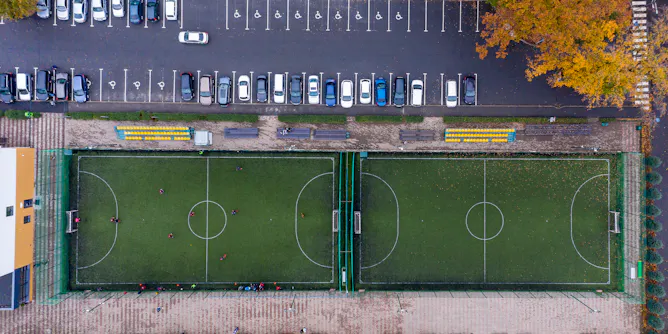
A person who exercises, attends sporting events as a spectator and takes their kids to the oval or swimming pool will create 935 kg of CO₂ per year if using their car.
Articles on Cars
Displaying 161 - 180 of 379 articles
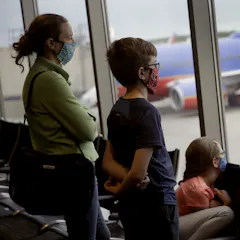
Over the approaching holidays, people around the world will want to travel to see friends and family. Getting tested for the coronavirus can make this safer, but testing alone is not a perfect answer.
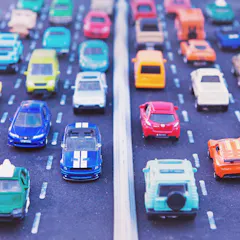
Life cycle assessments of electric vehicles show that they cannot fully eliminate the greenhouse gas emissions of personal travel. We also need bikes, buses and trains to solve our climate problems.

Staff and customers with underlying health conditions are likely to be most at risk at drive-through windows.
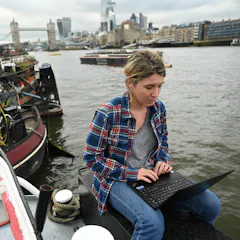
One in five now work exclusively from home in the UK. But remote workers still drive about as often as commuters – though for different reasons.
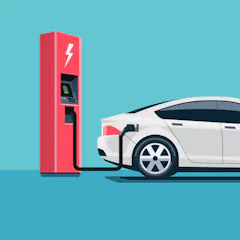
Drivers with long commutes who rarely charge their plug-in hybrid car are likely to emit much more CO₂ than official test figures suggest.

New bike lanes are a good idea for health and air quality, but the convenience of car travel for most journeys will remain.

As the recent wave of Black Lives Matter protests have shown many people, racial bias, prejudice and discrimination very much still exist, but have become increasingly subtle and complex.
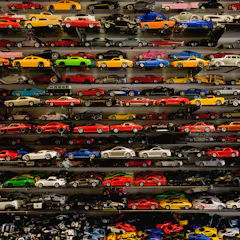
It seems likely we are going to need radical reductions in future ownership of private vehicles as we transition to cleaner transport.
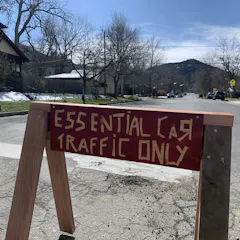
City streets were built to accommodate cars, but the COVID-19 pandemic has scrambled our transport needs. Many cities are moving to make streets more people-friendly and less car-centric.
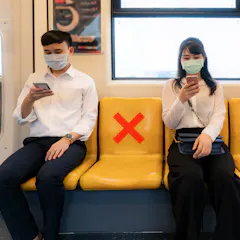
Without plastic shielding between seats or more efficient engines, the environmental benefits of public transport are lost.
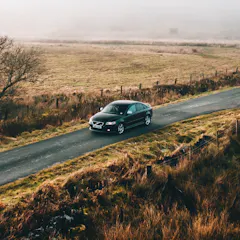
New research reveals how roads channel microplastics from car tires and brake pads to remote ocean habitats.
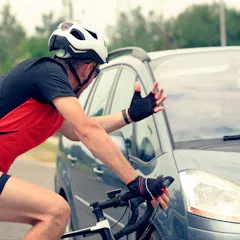
Drivers and cyclists develop distinct identities of themselves and others in ways that mirror the formation of ethnic identities. And on-road segregation runs the risk of reinforcing this process.
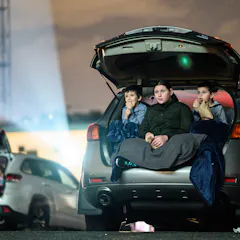
The pandemic has forced many people to shift from public transport to car travel. But is this likely to be permanent?
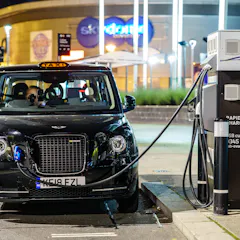
We calculated what would happen if petrol cars were replaced overnight with Teslas and Nissan Leafs.

Volkswagen’s new integration of online and offline sales offers insight into the future of the showroom experience.
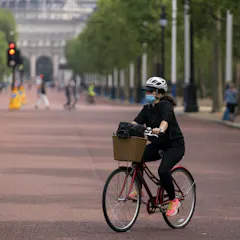
As lockdowns ease off, there is a danger that the old city traffic jams will soon be back with a vengeance.
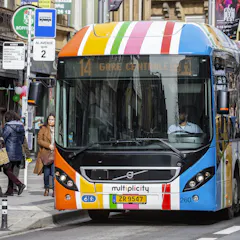
Fare free public transport exists in at least 98 cities and towns around the world.

Thanks to savvy public relations, General Motors inserted itself at the heart of culture in mid-century Australia. But dreams don’t last forever.
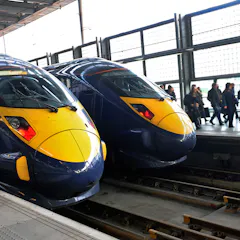
All modes of high-speed travel come with a cost to the environment.
Top contributors
-

Senior Lecturer in Operations and Supply Chain Management, Anglia Ruskin University
-
Associate Professor and Principal Fellow in Urban Risk and Resilience, The University of Melbourne
-
Adjunct Professor of Transport, University of Technology Sydney
-
Honorary Professor of Transport Studies
-
Professor, Director of the Centre for Robotics, Queensland University of Technology
-
Senior Lecturer, Griffith Business School, Griffith University
-
Senior Lecturer and Co-Director, Electric Vehicle Centre of Excellence (EVCE), Cardiff University
-
Senior Lecturer in Product Design, Nottingham Trent University
-
Associate Professor in Urban and Regional Planning, University of Sydney
-
Professor of Business Economics, University of Birmingham
-
Professor of Human Factors, University of the Sunshine Coast
-
Professor in Robotics, Queensland University of Technology
-
Professor of Business and Sustainability, Cardiff University
-
Senior Lecturer in Urban Planning, University of Auckland, Waipapa Taumata Rau
-
Associate Professor, Faculty of Medicine and Melbourne School of Design, The University of Melbourne