

Earlier this week, the BMJ published an article claiming advice that saturated fat intake should be minimised to reduce heart disease is flawed. While this may sound tempting, it’s just not the case. The…
Articles on Cardiovascular disease
Displaying 201 - 220 of 229 articles
Increased body mass index (BMI) has been found to significantly raise the risk of heart disease – regardless of exercise…

As life expectancies across the world steadily increase, the world’s population is inexorably ageing. Too often, with age comes difficult health problems such as dementia or Alzheimer’s disease. These…
Those under the age of 55 who drink coffee to excess (over four cups per day) are more likely to die from all causes than…

According to an experimental study published in Nature Communications, severing key nerves in the neck may provide a new option for lowering high blood pressure. Considering new approaches to treating…
Pregnant women can now more easily assess their risk of contracting diabetes and cardiovascular disease later in life. After…
Researchers have developed a scoring method to predict the risk of women with gestational diabetes developing type 2 diabetes…
Social media has been shown to have the potential to spread medical awareness, new research from the University of Sydney…

Did you hold your nose and take your daily dose of fish oil this morning? Or perhaps you opted for an odour-free capsule? Well, you’re not alone. Around one in four Australians take fish oil supplements…

Cardiovascular disease is the biggest killer of women in Australia. It accounts for more than 40% of all female deaths, which means it kills more Australian women than breast cancer and lung cancer combined…

When a 17-year-old girl, with a potentially life-threatening heart disorder, recently presented to me with an abnormally fast and irregular heart rhythm, I wondered how the natural history of her disease…

A silent killer is stalking many families across Australia, taking victims with little notice while driving a black-hole in the country’s health budget. But a simple pulse check may be enough to detect…
A modern non-invasive cardiac output monitor called USCOM may replace the 40-year-old standard in this field according to…

Aspirin is a historical marvel. It’s been manufactured for more than a century and is still in widespread use. No other medication can claim as many different narratives and uses as this analgesic – it’s…
Omega-3 fatty acids may help prevent the development of cardiovascular diseases in babies born small, according to new research…

The Federal Government’s main medical research funding body, the National Health and Medical Research Council (NHMRC), last week announced its 2011 program and development grants, and postgraduate scholarship…
Doctors are under-utilising crucial medication to prevent deadly strokes in those with a common type of heart condition…

A systematic review and meta-analysis of previous cohort studies on the effects of chocolate consumption has found that chocolate may be linked to a reduction in the risk of developing heart disease. The…
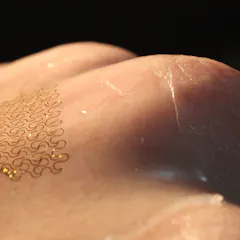
Scientists have invented new stick-on ‘tattoos’ that track human heart, brain wave and muscle activity and could one day replace cumbersome medical monitors. Known as an epidermal electronic system (EES…
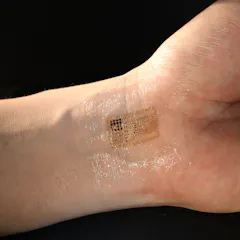
When you think of tattoos you probably imagine bikies, celebrity tats or that Japanese flourish on your left foot that means “Honour” (or so you think). You probably don’t picture medical revolution…
Top contributors
-

Senior Lecturer in Chemical Pathology, University of Westminster
-
Member, IMPART (Inflammation & Metabolism, Physical Ability, & Research Translation) Network, Dalhousie University
-
Clinical Associate Professor, University of Sydney
-
Affiliate Scientist, KITE Research Institute, Adjunct Professor, Department of Physical Therapy, University of Toronto
-
Executive Director, George Institute Australia; Professor of Medicine, UNSW
-
Vice-Chancellor's Distinguished Fellow, UNSW
-
Postdoctoral Research Fellow, Epidemiology, University of Cambridge
-
Professor of Global Health, Institute for Applied Research, University of Birmingham
-
Team Head, Cardiovascular Disease Prevention, QIMR Berghofer
-
Professor of Nursing and Director of Health Innovations, University of Wollongong
-
Professor, University of Pretoria
-
Research Fellow, University of Cambridge
-
SHARP Professor of Cardiovascular Medicine, UNSW
-
Senior research associate, Northumbria University, Newcastle
-
Associate lecturer, Nutritional Biochemistry, University of Hertfordshire