

If you’re aged 25 to 74, you might be due for a cervical cancer screening test. Here’s what to expect – and what’s changed in recent years.
Articles on Cancer screening
Displaying 21 - 40 of 76 articles

Colon cancer is curable when caught early, but some insurers are either refusing to cover or significantly delaying approval for colonoscopies.

Stigma, fear and cost prevent many patients from getting screened for lung cancer. This can prove deadly for the most vulnerable.
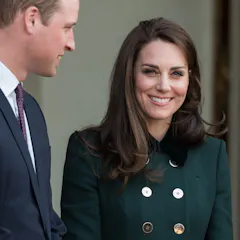
By encouraging patients to adopt preventive lifestyles and have screenings and tests, silent cancers don’t have to be a grave threat to health
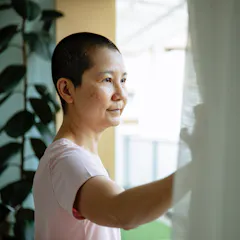
A cancer that spreads is much more dangerous. Here’s why – and how it happens.
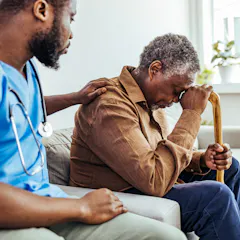
People with low-risk prostate cancer are more likely to die from something else. Overdiagnosis and overtreatment can lead to life-changing complications.

Cancer screening and other routine primary care can help address inequities if we choose to leave the unfair status quo behind.

Prostate cancer is one of the most common cancers in men. Although watchful waiting is appropriate for low-risk cases, many are diagnosed at an advanced stage because of racial health disparities.
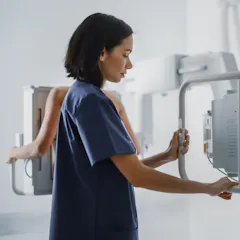
Mammograms are usually analysed by two doctors. But a new study found using one doctor with AI assistance detected 20% more cancers and reduced the workload by 44%.

Older smokers and former smokers will be invited to have their lungs scanned under a new screening programme the NHS is rolling out.
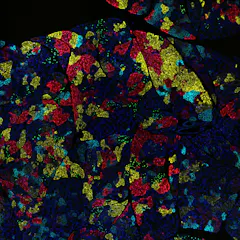
There is no one-size-fits-all approach to treating cancer. Understanding how cancer cells evolve could help researchers develop more effective drugs.

On the basis of government appointment technicalities and religious freedom, Americans may lose free coverage for cancer and blood pressure screenings, HIV prevention medication and other essential services.

While lung cancer rates have decreased by 43% in men, they have risen by 79% in women. New screening guidelines and recognizing early symptoms can help address the changing face of lung cancer.

From primary care to cancer screening and insurance coverage, gender-diverse people still face many hurdles to getting good medical care.

Multicancer early detection tests are among the priorities of the Biden administration’s Cancer Moonshot. The tests show promise, but questions remain about when and how to use them.

There have been calls for Australia to follow the US and lower the age for screening, from the current starting age of 50. So should we follow suit?

Early detection of breast cancer is critical to improving chances of survival. But racial and ethnic minority patients systematically have delayed diagnoses that reduce the benefits of screening.
Many eligible Australians are not partaking in care to protect their health. Why?

There are currently no effective tests to screen for ovarian cancer. But that doesn’t mean there aren’t ways to recognize and prevent it.

Doctors don’t ‘check you for everything’, but are guided by what you personally would benefit from, based on your age and individual history.
Top contributors
-

Professor of Clinical Epidemiology, Sydney School of Public Health, University of Sydney
-
Professor of Public Health, University of Sydney
-
Lead, Cancer Elimination Collaboration (CEC) and Professor of Public Health, University of Sydney
-
NHMRC Emerging Leader Research Fellow, School of Public Health, University of Sydney
-
Professor of Biomedical Sciences, Anglia Ruskin University
-
Emeritus Professor in Public Health, University of Sydney
-
Professor of Medicine, Bond University
-
Professor of General Practice, Bond University
-
Principal Research Fellow, The Daffodil Centre, a joint venture with Cancer Council NSW, University of Sydney
-
Associate Professor of Health Law, Policy and Management, Boston University
-
Brett Montgomery is a Friend of The Conversation.
Senior Lecturer in General Practice, The University of Western Australia
-
Director of the Colorado Cancer Screening Program, University of Colorado Anschutz
-
Professor of Clinical Epidemiology, Bond University
-
Professor of Cancer Epidemiology, Queen's University Belfast
-
Professor of Health Economics, University of Technology Sydney