

If you are at higher risk of breast cancer, screening looks set to change. Here’s what we know so far.
Articles on Breast cancer screening
Displaying 1 - 20 of 28 articles
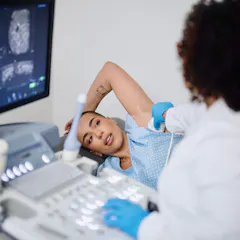
Ultrasound is often used in breast cancer screening, but it can often provide inconclusive results. Combining it with near-infrared light can help patients avoid the anxiety and cost of a biopsy.

Medical imaging contains a veritable wealth of information that is often missed. One way this can change is for patients to ask their doctors what more they can learn from their image results.

More women are learning about their breast density when they receive their mammogram results. But what happens next?
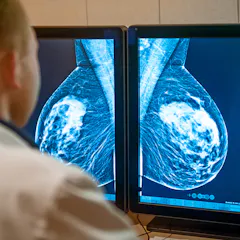
While AI holds promise for improving breast cancer screening, we should proceed cautiously.
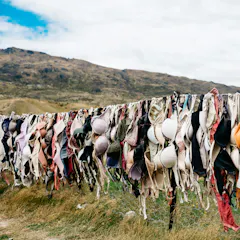
A fundamental shake-up of how we screen women for breast cancer could save more lives from the disease. Here are some options of how this could look.
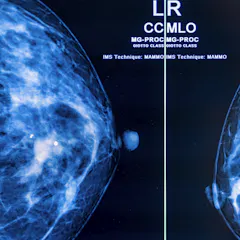
The FDA’s rule change requires that all women in the US be informed about breast density and options for supplemental screening.
Women may be classed as high or low risk, and screened differently. But the path forward is not clear cut.

Early detection is crucial in the fight against breast cancer. Yet the Canadian Task Force on Preventive Health Care’s new guidelines do not endorse breast cancer screening for women in their 40s.

Olivia Munn recently shared on Instagram that she’d had a double mastectomy after being diagnosed with luminal B breast cancer.
Dense breast tissue is common and normal, but it can make cancer more difficult to detect. FDA requirements going into effect in September 2024 will dictate that patients be better informed about it.
Early detection of breast cancer is critical to improving chances of survival. But racial and ethnic minority patients systematically have delayed diagnoses that reduce the benefits of screening.
As Australian women over 50 prepare to have their COVID shot, they need to factor in timing of their mammogram. Here’s why.

New research estimates 24% of cancers in men that were detected in 2012 were overdiagnosed, meaning they never would have caused harm if left untreated.
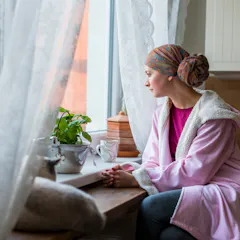
Headlines that 70% of women with breast cancer don’t need chemo need to be heeded with caution: it’s a very specific (but substantial) subtype that was studied.
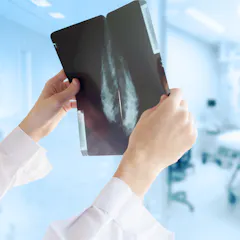
Unfortunately, there is no net benefit-ometer for breast cancer screening.

October is breast cancer awareness month. Women should know there is no reliable evidence that routine mammograms reduce death from breast cancer, and there’s good evidence that they cause harm.
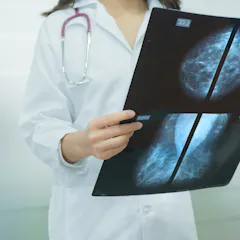
Calls to routinely offer breast cancer screening to more women might sound like a good idea, but can harm. Here are three questions to ask when figuring out whether more screening really is better.
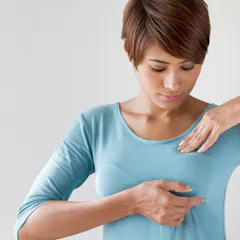
Women are told it’s important to self-check their breasts. But is this true?
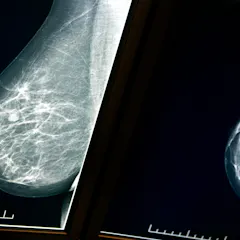
Women with dense breasts are more likely to develop breast cancer. Density also makes it harder for doctors to detect breast cancer on a mammogram.
Top contributors
-

Professor of Public Health, University of Sydney
-
Professor of Breast Cancer Research, Institute of Health and Biomedical Innovation and School of Biomedical Sciences,, Queensland University of Technology
-
NHMRC Emerging Leader Research Fellow, School of Public Health, University of Sydney
-
Principal Research Fellow, School of Population and Global Health, The University of Western Australia
-
Professor of Clinical Epidemiology, Sydney School of Public Health, University of Sydney
-
Head of the Breast Cancer Unit, Centre for Epidemiology and Biostatistics, Melbourne School of Population and Global Health, The University of Melbourne
-
Professor of Biostatistics and Cancer Epidemiology, Queen Mary University of London
-
Professor of Public Health, Bond University
-
Brett Montgomery is a Friend of The Conversation.
Senior Lecturer in General Practice, The University of Western Australia
-
Senior Lecturer in Philosophy of Public Health, University of Cambridge
-
PhD, Brunel University of London
-
Senior Research Manager, University of Sydney and Honorary Assistant Professor, Bond University
-
Associate Professor, Adelaide University
-
Professor, School of Nursing, Memorial University of Newfoundland
-
Senior Research Fellow at Peter MacCallum Cancer Centre; Adjunct Lecturer, Monash University