

Four viruses and one bacteria were responsible for 12% of the world’s cancer cases in 2024. Does this mean they’re preventable?
Articles on Cancer research
Displaying 1 - 20 of 43 articles

A new national research agenda, shaped by patients, caregivers and clinicians, will guide the future of adolescent and young adult cancer research in Canada.

Scolyer captured the world’s attention when he volunteered for a world-first experimental treatment for brain cancer. He died on Sunday night, aged 59.
A new DNA test could spare millions of breast cancer patients from chemotherapy. We answer your questions about what it means and who it helps.

A new study isolated DNA from the tumours of 500 cats across 13 different tumour types and mapped the sequence of 1,000 genes often found mutated in human cancers.
New research suggests cancer develops through detectable biological changes years before a tumour forms.

Cancer patients are helping shape research that reflects real lives. This is Patient and Public Involvement – and it’s helping to improve research.

What happens if Trump cuts cancer research funding?
The majority of the 23 states disproportionately affected by the cuts are red states.
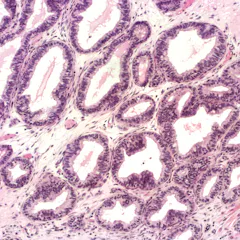
Nine years ago, Tim Baker was diagnosed with stage 4, metastatic prostate cancer. Today, astonishingly, he is fit and healthy, and meeting the scientists researching new treatments for this disease.

Being beautiful can improve a person’s quality of life and emotional wellbeing. But sometimes, there is a risk of harm — from exposure to cancer-causing UV light, to cheap cosmetic procedures.
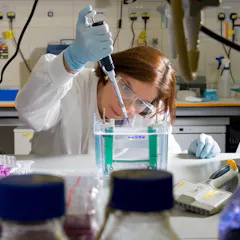
Lung and thyroid cancers are the least well-funded cancers compared to their global burdens.

A THC-like substance that occurs naturally in humans and other vertebrates helps maintain immunity, memory, nerve function and more – and research suggests a lack of it can harm health.
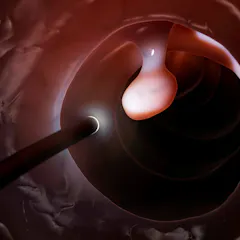
Don’t be confused by recent media reports – colonoscopies are still the best way to detect and prevent colon cancer.
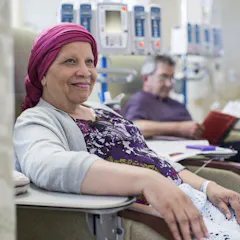
Belonging to one or more groups with long-standing social and economic disadvantages increases the risk of cancer diagnoses and death.
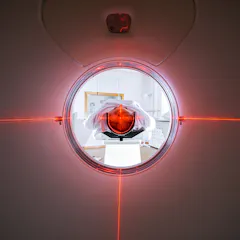
Globally, most cancer patients die not because they don’t have access to newer drugs, but because they don’t have access to even basic treatments. Cancer groundshot aims to improve treatment access.

The study found that ex-smokers had four times the amount of “normal” protective cells than smokers.
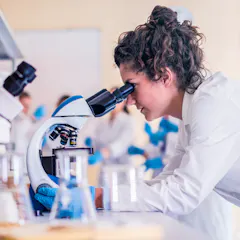
Donated tissue samples are often used in research to help create new methods of diagnosis and treatment.
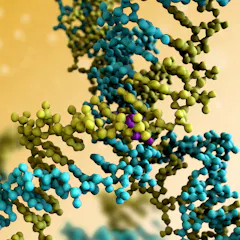
The unique way that human proteins change after they are copied from our DNA gives scientists clues about what causes human disease.
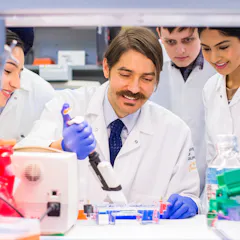
Cancer is a disease of our genes, but resistance to therapy might go beyond cancer mutations. The DNA stays the same, but cancer cells outsmart the drugs by switching their gene activity.
Top contributors
-

Senior Research Officer, Blood Cells and Blood Cancer Division, WEHI (Walter and Eliza Hall Institute of Medical Research)
-
Professor of Pathology, Microbiology and Immunology, University of South Carolina
-
Senior Research Fellow in Global Health, University of Southampton
-
Senior Research Officer, Blood Cells and Blood Cancer, WEHI (Walter and Eliza Hall Institute of Medical Research)
-
Professor of Pathology, Microbiology and Immunology, University of South Carolina
-
Postdoctoral Research Fellow, Queensland University of Technology
-
Professor of Tumour Immunology, University of Hull
-
Clinical Fellow, Cancer Research UK Manchester Institute, University of Manchester
-
Head of the Division of Cancer Therapeutics, Institute of Cancer Research, London
-
NHMRC Senior Research Fellow, Centre for Cancer Biology, Adelaide University
-
Principal Research Fellow, School of Population and Global Health, The University of Western Australia
-
Lecturer in Biomedical Sciences, University of Hull
-
Professor of Public Health, University of Sydney
-
Head of Urology at Monash Medical Centre and Associate Professor of Surgery, Monash University
-
Professor of Breast Cancer Research, Institute of Health and Biomedical Innovation and School of Biomedical Sciences,, Queensland University of Technology