
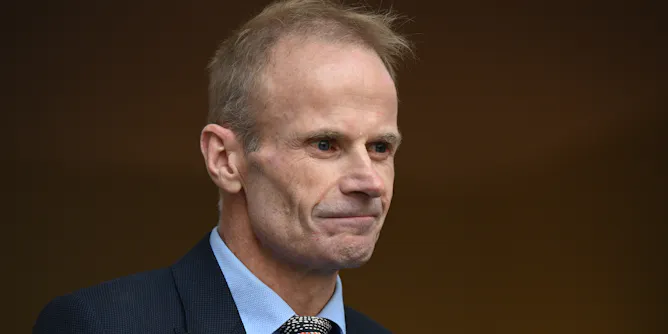
Scolyer captured the world’s attention when he volunteered for a world-first experimental treatment for brain cancer. He died on Sunday night, aged 59.
Articles on Cancer care
Displaying 1 - 20 of 23 articles
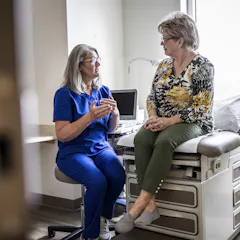
People in rural areas often have to travel long distances for treatment and spend weeks or months away from home, family and work.
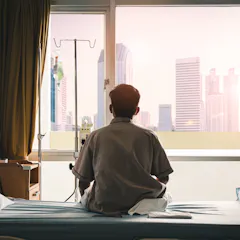
Pancreatic, brain, lung, stomach and oesophageal cancers have seen hardly any change in survival rate over the past 50 years.
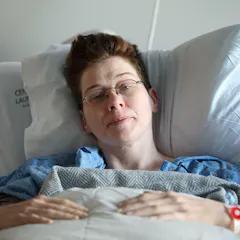
The economic impact on young adults with cancer is far greater than previous numbers show. And the impacts last much longer than previously recognized.

People with disability are more likely to die from cancer than the overall population. Here’s how we can shift this striking inequity.
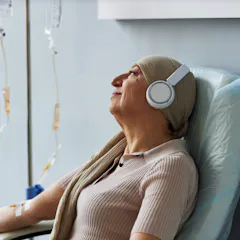
This is unacceptably high and we need targeted solutions.

Research shows regular physical activity can significantly improve quality of life for lung cancer patients. This includes less fatigue, less breathlessness, and better sleep.

Cancer diagnoses in adolescents in young adults are rising. These patients are not only navigating the challenges of a life-altering diagnosis, but also other challenges distinct to their life stage.
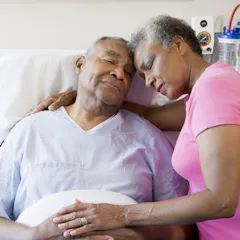
Patients with incurable cancer want to be informed about their disease and its treatment, but must also maintain hope. This inner conflict can affect how they process information about their prognosis.

Olivia Newton-John made a significant contribution to cancer care, cancer survivorship and the ideal of treating the whole person, not just their disease.

In the latest ‘Thor’ movie, the character Jane Foster raises questions about the impact of cancer on ideas of worthiness, responsibility and power — and what it means to be a superhero.
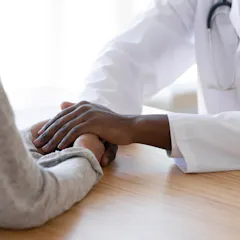
Palliative care is about living well and meeting patients’ goals, but referral can be more complex than access to medical assistance in dying (MAID). Palliative care should be as accessible as MAID.

Inuit living in their traditional territory must travel long distances — often with no personal support — for specialized health-care services like cancer care, obstetrics and dialysis.

A ‘shared decision-making’ model enables collaboration with Indigenous communities within Canada’s health-care system - to respond to TRC Calls to Action and address rising cancer rates.

Health has taken centre stage of the election campaign. Here’s what you need to know to make sense of the claims (and counter claims) of the major parties so far.
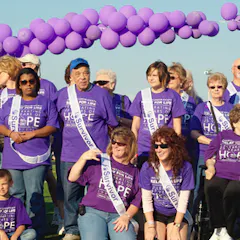
A recent study found that many people who have survived a cancer diagnosis do not like to be called ‘survivor.’ As World Cancer Day is observed on Feb. 4, their wishes are something to think about.

I have worked on this problem for many years, and to be honest it still blows my mind to really think about just how complex it is.
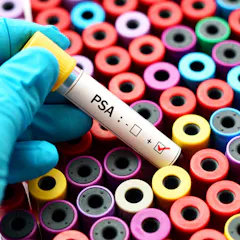
Prostate cancer is the second deadliest cancer among men, but not all types of the disease are as deadly as others. That has led to confusion over screening. An expert explains why new guidelines make sense.

Historically the advice to cancer patients was to rest and avoid activity. We now know this advice may be harmful to patients, and that every person with cancer would benefit from exercise medicine.
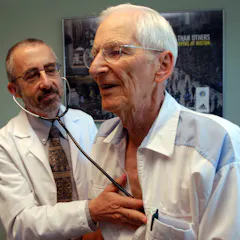
Cancer care is often impersonal, industrial and needlessly stressful. Allowing patients to witness personal introductions between their physicians would help ease their anxiety and build trust.
Top contributors
-

Ottawa Health Services Network Inc.
-
Associate professor, Department of Health Sciences, Carleton University
-
Professor, Deakin University
-
David A. Cofrin Professor of Urologic Oncology and Chair of the Department of Urology, University of Florida
-
Associate Professor in Health Economics, Flinders University
-
Associate professor, University of Sydney
-
Chancellor's Professor of Medicine, Liberal Arts, and Philanthropy, Indiana University
-
Professor of Health Economics, Flinders University
-
Principal Communications and Events Officer Centre for Medicinal Cannabis Research and Innovation Office of the NSW Chief Scientist & Engineer, Office of the Chief Scientist
-
Medical oncologist from Chris O`Brien Lifehouse cancer hospital, Lead researcher NSW Government clinical trial into the role of cannabis-derived medicines in chemotherapy-induced nausea and vomiting, Clinical Associate Professor., University of Sydney
-
Research Fellow, Flinders University
-
Matthew Flinders Professor in Exercise & Cancer, Flinders University; Peter MacCallum Cancer Centre
-
Honorary Professor, Faculty of Medicine, University of British Columbia, University of British Columbia
-
Professor of Medicine, University of Florida
-
Research Fellow, Equitable Cancer Outcomes across Rural and Remote Australia (ECORRA), Deakin University