
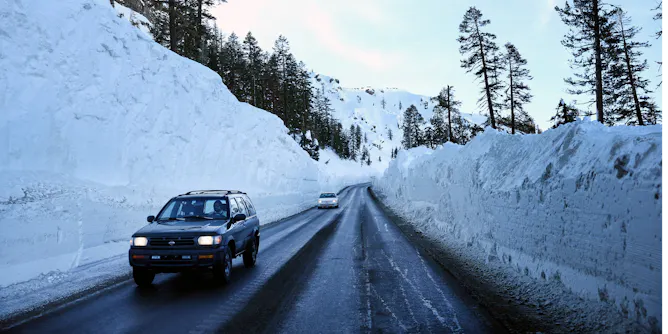
Reservoirs and streams are in good shape in California and the Great Basin, but groundwater and ecosystems are another story. And then there’s the Colorado River Basin.
Articles on California drought
Displaying 1 - 20 of 23 articles
Urban infrastructure was designed to take stormwater out to the ocean quickly. Now, California needs that precious water.
The State Water Project cut its initial allocations for water agencies to 0% for 2022. A California water expert explains why.
From floods to drought, fire to famine, the 2015-16 El Nino has had a global impact.
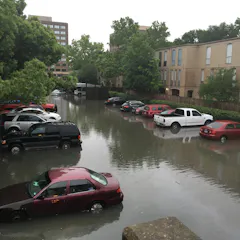
Extreme weather has an outsized impact on everyday life. Focusing on average weather patterns may make Americans dangerously complacent about how climate change is already affecting our lives.
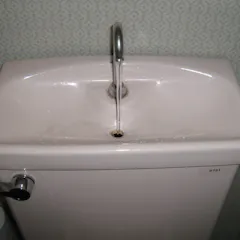
Long-term drought and water shortages in many parts of the U.S. are spurring interest in ways to reuse graywater – the water that drains from sources such as showers, bathtubs and washing machines.
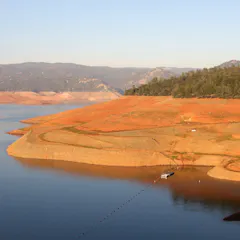
California’s drought is dragging on into its fifth year. What can the state learn from Australia’s 15-year millennium drought?
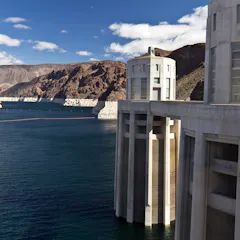
The U.S. Southwest drifted into a drier state during the last 35 years due to fewer rain-producing weather patterns and hotter temperatures.
The flood-control infrastructure built to weather heavy rains in Los Angeles sends runoff to sea – a poor design for drought-worried California.
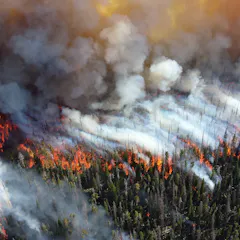
Federal agencies pay much of the cost to fight forest fires, which means taxpayers are subsidizing the risky practice of building more homes at the wildland-urban interface.
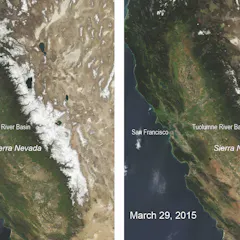
According to scientists, tree-ring analysis shows that California drought is the worst it has been in 500 years.The study underscores the severity of current drought and the challenges of future water management in the state.
El Niño explained: how it works, what a mega El Niño this year could bring and how global warming might affect future El Niño-driven weather patterns.
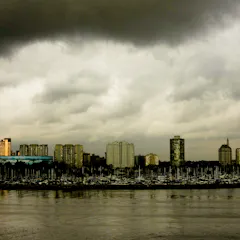
El Niño is expected to bring heavy rains to drought-stricken California, but more rain alone won’t solve the West’s water crisis.
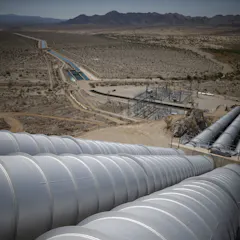
Historical analysis shows that natural forces are behind California’s drought, but global warming has contributed 8%-27% to the drought’s severity.
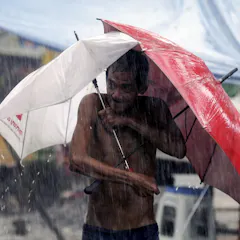
The seesaw between El Niño and La Niña is set to get stronger with global warming. Signs are that this year and next will deliver a big swing from one to the other, prompting fires and floods across the world.
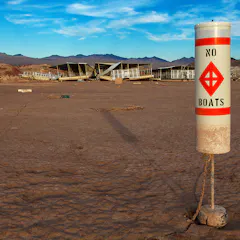
Hydrologists, climate scientists and policymakers are beginning to grapple with a difficult question: who will be affected most by longer and more frequent droughts?
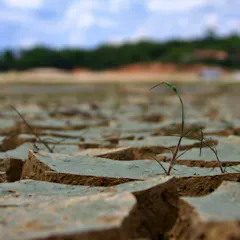
The same persistent weather pattern bringing hot, dry conditions to California is likely connected to a punishing drought in the Sao Paulo area in Brazil.

As California enters another hot dry summer, policymakers from water and electric utilities are looking at ways to preserve these interdependent resources.
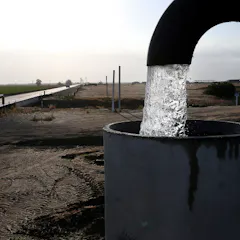
Can California – and its massive agriculture industry – endure the drought without destroying its groundwater resources?
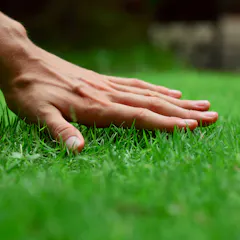
Americans love their lawns but are lawns good for America, particularly in drought-stricken areas? A look at our grassy love affair and what might be better alternatives.
Top contributors
-

Director Emeritus, California Institute for Water Resources, University of California, Division of Agriculture and Natural Resources
-
Scientist and Director of Research Communication for the Arizona Water Innovation Initiative, Arizona State University
-
Professor Emerita of Geography, University of California, Santa Barbara
-
Distinguished Scholar, National Center for Atmospheric Research; Affiliate Faculty, University of Auckland, Waipapa Taumata Rau
-
Postdoctoral Researcher, University Corporation for Atmospheric Research
-
Professor of Landscape Architecture, University of Oregon
-
Senior Climatologist, Australian Bureau of Meteorology
-
Research Director, Institute for Sustainable Futures, University of Technology Sydney
-
Climatologist, Australian Bureau of Meteorology
-
PhD Student in Hydrology, Colorado School of Mines
-
Professor of Hydrogeology and Hydrogeologist, University of California, Davis
-
Research Director, Institute for Sustainable Futures, University of Technology Sydney
-
Chief Research Scientist, Oceans and Atmosphere, CSIRO, CSIRO
-
Adjunct Assistant Professor and a founder of the Laboratory for Environmental Narrative Strategies in the Institute of the Environment and Sustainability, University of California, Los Angeles
-
Adjunct Professor (Practice) in the School of Earth, Atmosphere and Environment, Monash University