
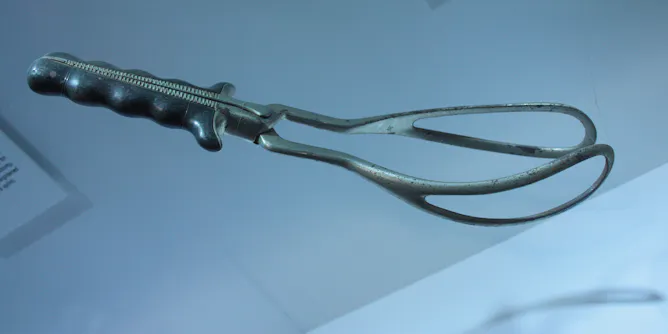
Childbirth used to be a terrifying ordeal. But women were surrounded by others – mothers, aunts, sisters – who brought love and experience. But midway through the 19th century, this changed.
Articles on Caesarean section
Displaying 21 - 40 of 50 articles
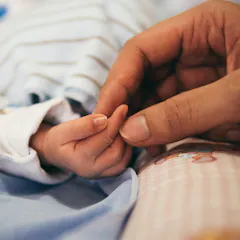
A new study has found a link between being born by caesarean section and having a greater chance of being diagnosed with autism or ADHD. But there’s no evidence caesarean sections cause them.

Evidence suggests that microbes play a vital role in health. But what microbes we get depends whether we were born in a hospital versus at home. That could impact our health decades later.
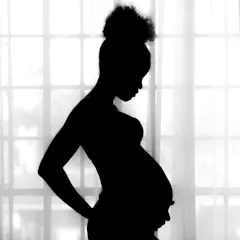
Professional bodies say that vaginal births after caesareans are safe and usually successful. So why do doctors often recommend that women go back under the knife?

A professor of midwifery education reviews the research evaluating the safety of home versus hospital births.
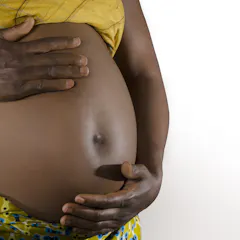
Research shows that women in Africa are more likely to die as a result of complications related to C-sections.
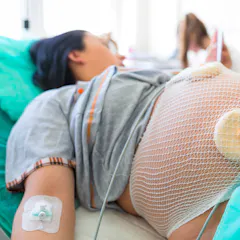
New study finds that giving birth through an emergency caesarean increases the risk of developing postnatal depression in the first nine months after childbirth by about 15%.
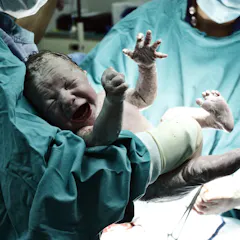
A Lancet series shows that C-sections are performed for non-medical reasons in private health while poor women who need the surgery don’t have access.

If women don’t have access to quality emergency surgery, they can develop dibilitating complications such as fistula.
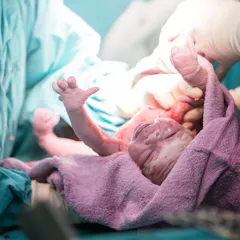
While childbirth is often a joyful event, it rarely unfolds exactly how we think it will. This causes disappointment among some women, and leaves a small proportion with a diagnosis of postnatal PTSD.
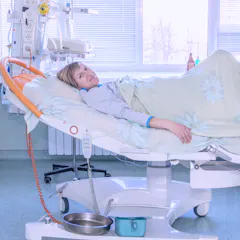
Our study found babies born via medical or surgical intervention were at increased risk of health problems, from jaundice and feeding issues, to diabetes, respiratory infections and eczema.
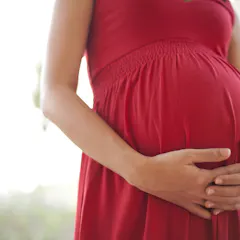
How should pregnant women make sense of the diverse risks and benefits of caesarean versus vaginal delivery?
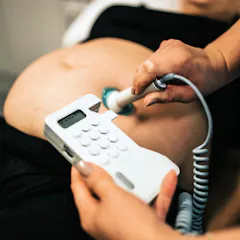
Society holds paradoxical views of childbirth, which can make the debate around it confusing.
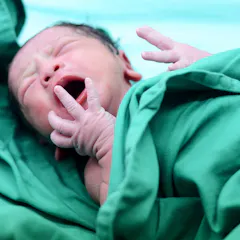
Many women in African countries who are medically required to have caesarean sections aren’t able to access them due to weak health systems and a lack of resources.
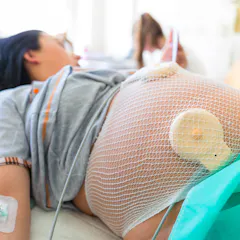
Childbirth in the U.S. can be dangerous and dehumanizing. An ob/gyn who traveled recently to India to review childbirth there says the U.S. and India fall short in similar ways.
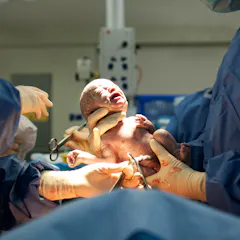
The particular makeup of a newborn’s gut microbes is important as it has been shown to affect their risk of developing certain diseases later in childhood and adulthood.
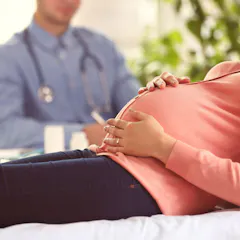
The reduction of childbirth to a ‘choice’ between surgery and vaginal birth with interventions comes from patriarchal views about the fundamental failure of the female body.

We don’t know much about fear during childbirth and its effects on outcomes for women and their newborns in the United States.
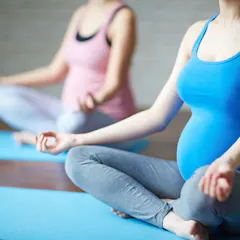
Is childbirth education important? Do all the programs aim to achieve the same thing and, most importantly, do they?
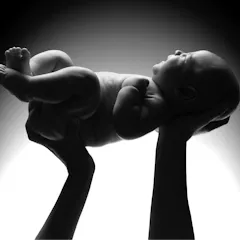
Why are some new parents wiping vaginal fluid all over their baby’s mouth, eyes, and skin?
Top contributors
-

Professor of Midwifery, Associate Dean Research and HDR, Midwifery Discipline Leader, Western Sydney University
-
Assistant Professor of Obstetrics, Gynecology and Reproductive Biology, Harvard University
-
Research Fellow University of Notre Dame Australia; Adjunct Fellow (National Institute of Complementary Medicine), Western Sydney University, University of Notre Dame Australia
-
Professor of Midwifery Studies, University of Lancashire
-
Associate Professor of Midwifery, Western Sydney University
-
Associate Professor and Clinical Academic Gastroenterologist, Western Sydney University
-
Senior Lecturer in Midwifery, University of Technology Sydney
-
Caroline Homer is a Friend of The Conversation.
Deputy Director (Gender Equity, Diversity and Inclusion), Burnet Institute
-
Adjunct Research Fellow, Western Sydney University
-
PhD Candidate, Department of Community Health Sciences, Cumming School of Medicine, University of Calgary
-
Associate Professor in Public Health, Queensland University of Technology
-
Medical Doctor, Epidemiologist and Biostatistician, University of the Witwatersrand
-
Research Fellow, Queensland University of Technology
-
Professor in Obstetrics and Gynaecology, Lund University
-
Professor of Global Surgery, University of Cape Town