
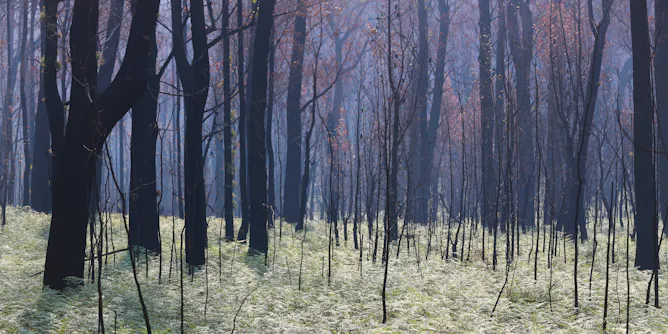
In one finding, fire authorities chose to save a few farm sheds over 5,000 hectares of national park. Clearly, our fire management needs a reset.
Articles on bushfire 2019
Displaying all articles

Our research is deeply concerning because it signals there are no quick fixes to the ongoing fire crisis afflicting Australia, which is being driven by relentless climate change.
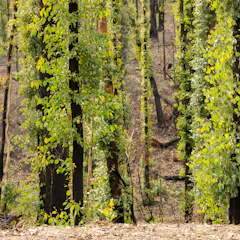
First the fires, then the pandemic. It’s not just the damage to infrastructure, houses, environment and farmland that makes recovery difficult; the emotional and physical toll is often gruelling too.
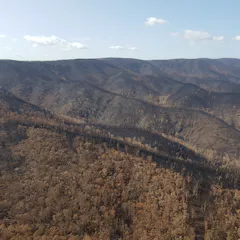
Many scientific concepts, including bushfires and climate change, happen at scales outside human perception. So how can we ever understand them?
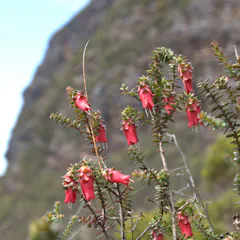
Three quarters of WA’s Stirling Ranges national park now experience fire cycles twice as frequent as species recovery rates.
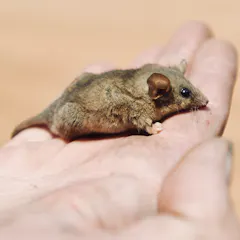
How fast can an animal run? How intense was the fire? Picking which species to help after a bushfire tragedy is no easy task.
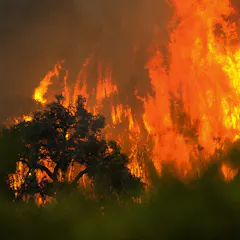
We’ve set up a single point of contact for foreign disasters, we could do if for Australian disasters as well.
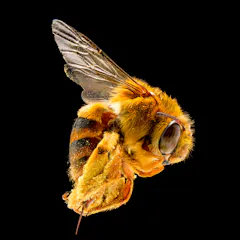
In NSW, honeybees are listed as a key threatening process to biodiversity.
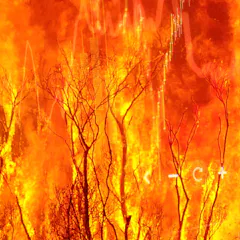
GDP is well suited to many things, but not to measuring the impact of disasters.
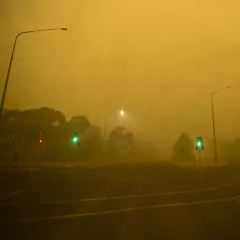
Employers obligations are set out clearly. What’s important is what they “know or reasonably ought to know”.
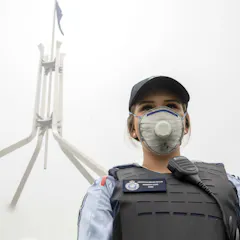
Plugging ventilation holes in walls helps, but there are dangers.
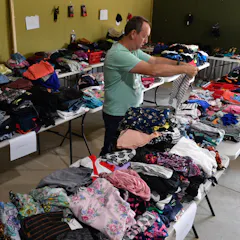
It’s worth thinking carefully about how to give, to ensure you’re not wasting your contribution or inadvertently making things worse.
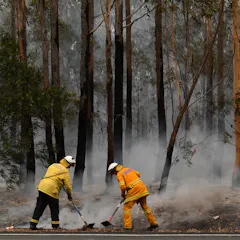
As this horrific summer of disaster continues to unfold in coming weeks, we need to overhaul our emergency management plan.
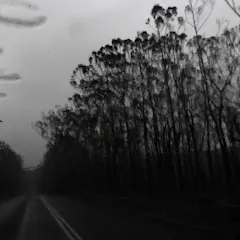
We escaped through blackened landscapes where sheep wandered paddocks with the wool burnt off their backs. My three-year-old son, sensing the mood, asked why his dad and I were so quiet.
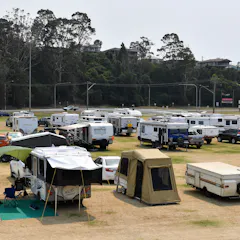
Sending holidaymakers directly into forests and national parks right in the middle of peak bushfire season is madness.
Top contributors
-

Professor of Conservation Biology, Charles Darwin University
-
Professor of Wildlife Conservation, Australian National University
-
Professor of Pyrogeography and Fire Science, University of Tasmania
-
Professorial Research Fellow, Victoria University
-
Adjunct Professor of Architecture, University of Technology Sydney
-
Collaborative Research Fellow, Sustainable Industries and Liveable Cities (ISILC), Victoria University
-
John Curtin Distinguished Professor, Curtin University
-
Professor in Conservation Science, School of Ecosystem and Forest Science, The University of Melbourne
-
Adjunct Industry Fellow, Centre for Social Impact, Swinburne University of Technology
-
Visiting Research Fellow, Adelaide University
-
Senior Lecturer, Graduate School of Business and Law, RMIT University
-
Senior Research Fellow, The University of Melbourne
-
Professor in Ecology, Charles Sturt University
-
Indigenous Chair of Biodiversity & Environmental Science, Curtin University
-
Researcher, Environmental Philosophy, University of Sydney