
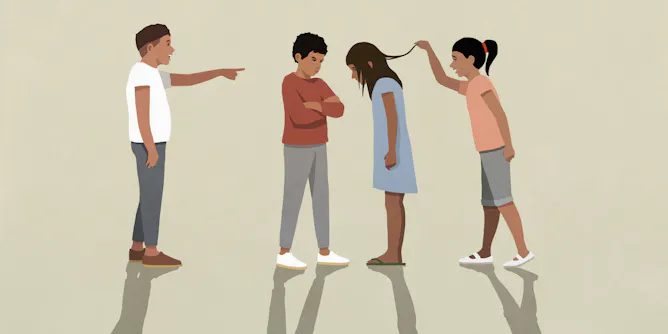
New research suggests that bullying prevention work should address the broader classroom environment, not just students’ individual characteristics and behaviors.
Articles on Bullying in schools
Displaying 1 - 20 of 22 articles

New research looking at data from 200,000 children in Wales has found a substantial increase in mental health issues.

Children who are bullied in school are at higher risk for depression and anxiety later in life.
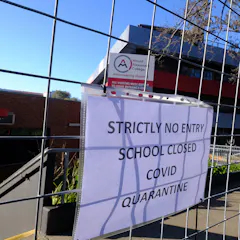
The impacts of the pandemic on students and the stigma of having had COVID-19 could be leading to bullying. It’s a complex situation, requiring schools, parents and medical experts to work together.
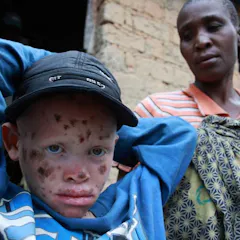
Children with albinism are teased and physically bullied by classmates who don’t understand their condition. They withdraw from learning – and many ultimately leave school early.

About 80% of students experience some kind of gender-based bullying in their primary and high school years. But research shows that teachers often fail to intervene or are not equipped to deal with it.

Recent survey data revealed that twice as many parents of public school students reported their children had been bullied compared to private school parents.

New research has found talented adolescent female athletes are bullied for their successes by their school peers.

When teachers and schools remind children to be inclusive, they are nicer to those not in their ‘group’.
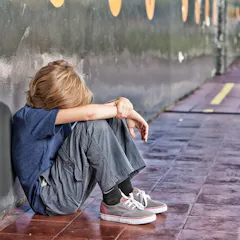
A former pupil is suing her school for the psychiatric harm she allegedly suffered from bullying.

Children who were bullied had more than a two-fold increase in odds of depression later in life compared with children not victimised by their peers.

Bullying in schools is a subject that is talked about a lot. One of the quieter areas of discussion and research is the experience of parents whose child is responsible for harassing and victimising others.

If a child is being bullied at school should parents intervene? Talking to the school, the other parents, the other child are all options, but is it better to let your children fend for themselves?

There is no doubt that homophobic bullying is a problem in Australian schools. The latest Writing Themselves in report published by Gay and Lesbian Health Victoria reports 80% of young gay, lesbian or…
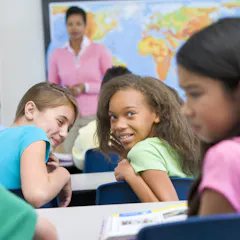
School bullying is a proactive form of aggression which doesn’t only have impacts on the individuals being targeted, but also on the child who is bullying, their classmates, the climate and tone of the…
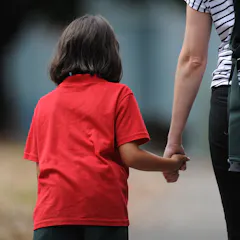
Parents are one of the most influential factors when talking about bullying - in that they are the most likely to be able to prevent it. The way parents model appropriate interactions and communication…

Being bullied is a stressful experience – in fact it is one of the most stressful experiences we can face. International research shows bullying occurs in every school. We now better understand that bullying…
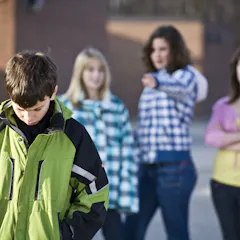
A few weeks ago a survey by the Australian Bureau of Statistics showed that bullying was the number one concern of young people in Australia. Bullying has displaced their concerns about the environment…

Bullying in schools has been recognised as a serious and pervasive problem now for at least two decades. There is now also evidence, including from the UK and other European countries, North America and…

We are currently experiencing an epidemic of cyberbullying in schools that has taken the educational community by surprise. One new UK study of children’s digital habits found that online bullying has…
Top contributors
-
 Karyn Healy is a Friend of The Conversation.
Honorary Principal Research Fellow in Psychology, The University of Queensland
-
Adjunct Professor of Education and Social Development, Adelaide University
-
Professor of Law, University of Technology Sydney
-
Professor of Inclusion and Educational Psychology, Adelaide University
-
Leverhulme Early Career Research Fellow, University of Oxford
-
Postdoctoral research fellow, Goldsmiths, University of London
-
PhD student, University of Warwick
-
Professor in Educational Psychology, University of York
-
Professor, Faculty of Education and Social Work, University of Auckland, Waipapa Taumata Rau
-
Associate Professor, The University of Sydney School of Education and Social Work, University of Sydney
-
Researcher, Unit for School and Family Studies, Department of Psychology, Goldsmiths, University of London
-
Researcher, University of the Sunshine Coast
-
Post-Doctoral Research Fellow, SARChI in Higher Education and Human Development Research Group, University of the Free State
-
Associate Professor in Education, Adelaide University
-
Lecturer in Coaching Science, University of the Sunshine Coast