

Parents want to see if medicinal cannabis can help their child’s behavioural or emotional problems. But the evidence isn’t in and there are potential safety concerns.
Articles on Child behaviour
Displaying 1 - 20 of 38 articles

One’s about behaviour, the other about emotions. Here’s how to respond to tantrums and meltdowns without losing your cool.

Tracing the experiences of 6,000 mothers, new research shows how money, stress and excessive use of screens can affect the preschool behavioural development of their children.
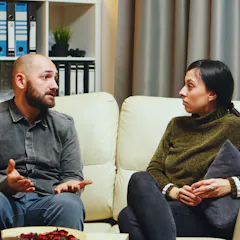
Raising children with behavioural, developmental or learning difficulties can also make parenting more challenging. So how can parent training help?

Many of us grew up not talking about emotions. But as modern parents, we’re told we need to teach our children about their feelings to build their resilience. So how do we do it?

There is every chance your situation can improve. And the earlier you start, the better the outcomes.

First, check if your child is really hangry, or just angry. Feeding straight away isn’t always the answer.

New research suggests that the seeds of future romantic partnering patterns are planted in childhood and are visible even before adolescence.

Considerations of whether children and young people are deserving of help are reminiscent of 19th-century approaches to child services.

Think of it like a ladder. You might not be at the top right now, but each new thing you learn takes you a step closer and means that your parents can relax the rules a little.

Even though people with autism are more likely to think about concrete stuff rather than abstract feelings, anxiety still exists and, if not recognised, can cause significant problems.

If your child has a problem with defiant behaviours, there are a number of things you can do to avoid standoffs and reduce the chance of meltdowns. Here’s how.

Some children’s tantrums, irritability and defiance well exceed that typically found in healthy children of the same age. This can be overwhelming for parents, especially as children grow.

Clinically speaking, you can’t become addicted to a device, but you can develop behavioural addictions to smartphone functions.

It can be difficult to tell the difference between disordered and difficult behaviour, and the approach is different for both.

Some parents think their four-year-old boy’s emotional outbursts and aggressive behaviour can be blamed on their hormones. Here’s why that’s a myth.

The cultures of silence and denial that surround child sexualised behaviours mean that adults often lack the information they need to respond appropriately.

If you use a tablet device to keep a child quiet at the dining table or other event then you could be limiting their social skills. That could have an impact on the way they behave later in life.

David Cameron’s plans to deduct child benefit from parents of truants will not fix a complex problem.

Going into care is traumatic for children – early intervention can help their mental health.
Top contributors
-

Associate Professor, School of Psychology, Deakin University
-
Doctoral Supervisor, Bath Spa University
-
Professor of Psychology, Deakin University
-
Professor of Education, The Open University
-
Professor of Behaviour Analysis and Education, Queen's University Belfast
-
Professor of Health Psychology, University of Surrey
-
Senior Lecturer in Educational Psychology, Western Sydney University
-
Researcher, Digital Wellbeing, Western Sydney University
-
Professor of Psychology and Education, University of Warwick
-
Researcher, Unit for School and Family Studies, Department of Psychology, Goldsmiths, University of London
-
Professor of Character Education and Virtue Ethics Deputy Director, Jubilee Centre for Character and Virtues, University of Birmingham
-
Research Fellow, School of Sociology, Social Policy and Social Work, Queen's University Belfast
-
Emeritus Professor, Unit for School and Family Studies, Department of Psychology, Goldsmiths, University of London
-
Professor of Psychology, University of Warwick
-
Medical Foundation Chair in Adolescent Medicine, University of Sydney