
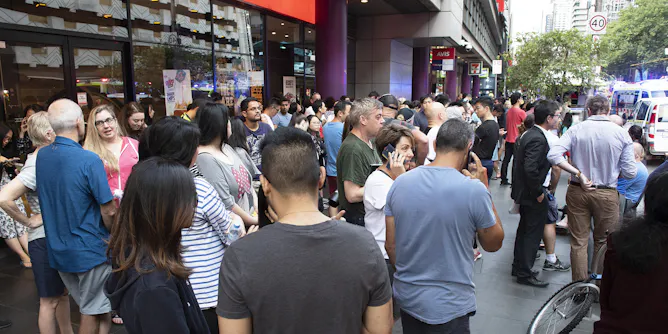
Years of regulatory failure are having direct impacts on the hip pockets of the many Australians who bought defective houses or apartments. It’s turning into a multibillion-dollar disaster.
Articles on Buildings
Displaying 101 - 120 of 147 articles
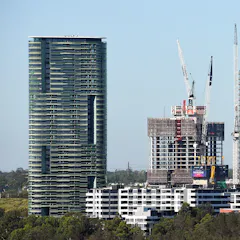
Under the new code, buildings are hardly likely to differ measurably from their fault-ridden older siblings and can still fall short of a six-star rating. It’s possible they may have no stars!

Artificial light, from low-level backyard lighting to lights in office buildings and skyscrapers, distract migratory birds with deadly effects.
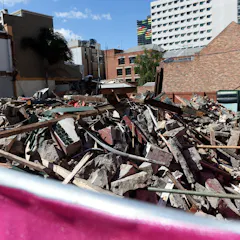
The illegal demolition of a historic pub in Melbourne is the subject of a legal bid to order its rebuilding. Although the heritage value of such a move is debatable, there are other justifications.
As more and more Australians live and work in high-rise buildings, their responsibilities and roles in ensuring all occupants’ safety must not be neglected.
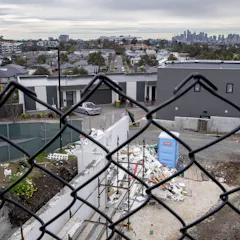
Australia’s commitments to cut emissions are on a collision course with urban growth. We need a much more comprehensive strategy to make the transition to a sustainable built environment.
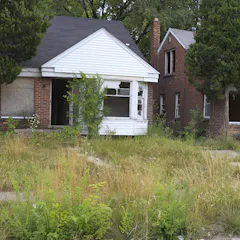
By the time a building is abandoned and falls into disrepair, its community is already suffering. Michigan scholars suggest it’s time to plan for structures’ end of life before they even go up.

What exactly is the ‘built environment’?And is the term the best way to frame what we’re trying to achieve today?
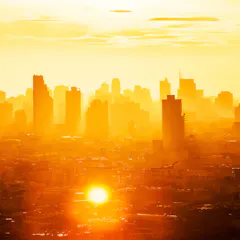
How to move beyond the warm words about tackling urban heat islands to doing something about them.
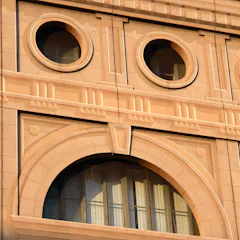
Building features can be analyzed in the same way that facial recognition software works, revealing previously hidden elements of history.
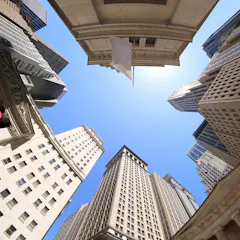
Business scholars have found that our physical environment can influence us in a variety of surprising ways – including by prompting us to engage in riskier behavior depending on elevation.
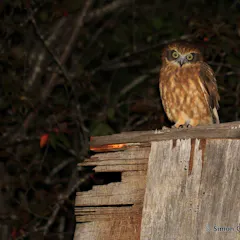
From falcons that hunt by the light of skyscrapers, to bears that sit in wait at weirs, animals are using human structures to help them catch a meal.
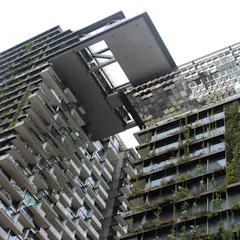
Buildings are central to creating more sustainable cities, and green ratings are often used to assess how well a building measures up against this goal. But the current system has serious flaws.
Solar windows would need to trap enough light to generate power, while letting through enough to keep buildings light. Thankfully, newly developed semitransparent cells offer to do just that.
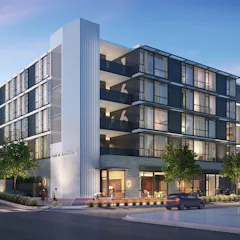
Three innovative projects set to be completed this year are geared toward strengthening communities that have been left out of the economic recovery.

Adaptively re-using buildings can preserve heritage while enabling new uses that help make cities more liveable and sustainable.
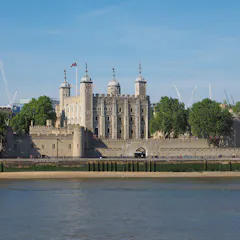
When talking about heritage, we need to be clear about our definitions and our objectives for each building. Then we can work on achieving the optimum balance of heritage and sustainability.
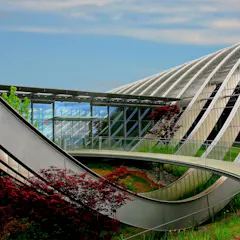
By putting the users of buildings – people – at the centre of the process of designing buildings and infrastructure, we can create healthier, more human-centred spaces.
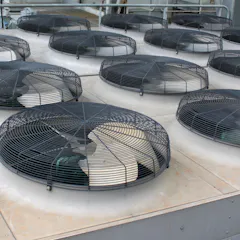
The invention of silver and plastic-clad roof panels that can cool themselves down even under the Sun’s full glare promise to make air conditioning much more energy-efficient.

Water moves into Australian homes during severe tropical storms like Cyclone Debbie. But no definitive housing codes, standards or guidelines exist to stem the flow of unwanted storm water.
Top contributors
-

Adjunct Professor of Architecture, University of Technology Sydney
-
Senior Lecturer in Construction Technology, The University of Melbourne
-
Senior Research Associate, Institute for Environment and Human Security (UNU-EHS), United Nations University
-
Professor of Advanced Building Design, University of Hertfordshire
-
Lillian Gilbreth Postdoctoral Fellow, Purdue University
-
Professor of Civil, Environmental and Ecological Engineering, Purdue University
-
Lecturer in Architecture, Practice and Design, Swinburne University of Technology
-
Senior Lecturer in Architecture, Nottingham Trent University
-
Lecturer in Construction and Property, The University of Melbourne
-
Lecturer In Construction, Deakin University
-
Associate Professor in Sustainable Development
-
Fellow and Senior Research Associate, Renewable & Sustainable Energy Institute, University of Colorado Boulder
-
Associate Professor of Structural Engineering and Applied Mechanics, University of Texas at Arlington
-
Reader in Politics, Cardiff University
-
Assistant researcher, James Cook University