
Structures are built to withstand a normal range of conditions. But what’s ‘normal’ is changing rapidly.
Articles on Buildings
Displaying 61 - 80 of 147 articles

Heat pumps are the technology of choice for heating and cooling buildings more efficiently and with fewer carbon emissions than furnaces and air conditioning.
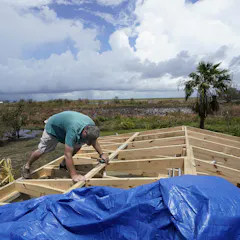
Federal weather scientists are pushing to make the US more ‘weather-ready,’ which could mean prepping for fires, flooding or storms depending on where you live. The common factor: thinking ahead.

Many older women are in desperate need of affordable housing where they can age in place securely, with dignity and as part of a community. The siheyuan model offers ways to meet these needs.
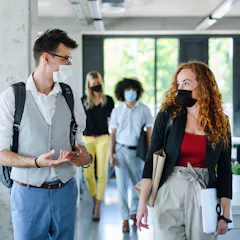
Studying how SARS-CoV-2, the virus that causes COVID-19, travels through indoor air spaces can help reduce transmission risk.
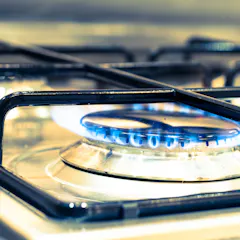
Despite the government spruiking a ‘gas-led economic recovery’, natural gas is clearly on the way out. It’s time for a serious rethink on the way many Australians cook and heat our homes.

A building designed to be easily taken apart so the components can be reused is a model for much less wasteful construction. It reduces resource use and environmental impacts, and can be cheaper too.
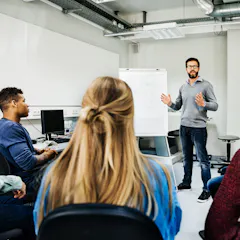
Experiments in college classrooms show how tiny respiratory droplets known as aerosols can spread, even with good ventilation. The risk isn’t the same in every seat.
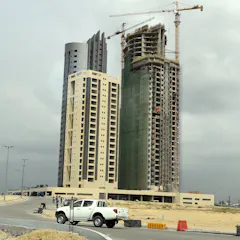
To achieve sustainable, functional buildings, architects in cities like Lagos need to consider local realities.
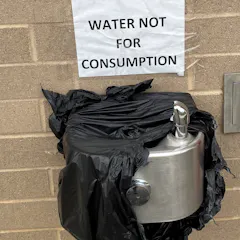
When water stagnates in pipes, harmful metals and bacteria can accumulate and make people sick. Buildings that were shut down for weeks during the pandemic may be at risk.
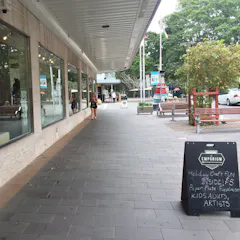
When thinking about better uses for temporarily vacant buildings caused by the pandemic, Australia can learn much from the UK.

Bricks turn out to be useful for storing electricity thanks to their porousness and red pigment.
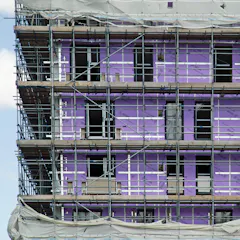
If more people work from home and shop online, many commercial buildings won’t be needed any longer. What will be needed is affordable housing, and these buildings can be converted to meet this need.

Algorithms can now work out the best ways to lay out rooms, construct buildings and even change them over time to meet user needs.
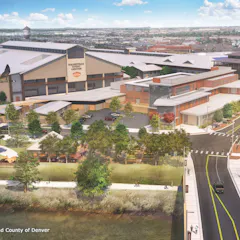
Net zero energy buildings produce at least as much energy as they use. Designing whole net zero campuses and communities takes the energy and climate benefits to a higher level.

As sand markets boom, entrepreneurs, organized crime and others are cashing in — leaving widespread environmental damage in their wake.
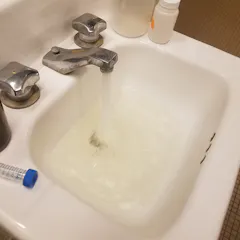
Office buildings have been left mostly empty for weeks amid the coronavirus pandemic, leaving standing water in pipes where harmful organisms can grow. What happens when those buildings reopen?
We spend 90% of our lives indoors, and every building has its own indoor microbiome. Can we learn to manage them in ways that support helpful microbes and suppress harmful ones?
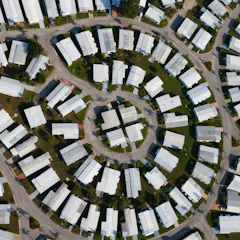
Buildings soak up the sun’s heat, but research shows that white roofs and surfaces can reduce temperatures inside, particularly during heat waves.

Researchers are turning microbes into microscopic construction crews by altering their DNA to make them produce building materials. The work could lead to more sustainable buildings.
Top contributors
-

Adjunct Professor of Architecture, University of Technology Sydney
-
Senior Lecturer in Construction Technology, The University of Melbourne
-
Senior Research Associate, Institute for Environment and Human Security (UNU-EHS), United Nations University
-
Professor of Advanced Building Design, University of Hertfordshire
-
Lillian Gilbreth Postdoctoral Fellow, Purdue University
-
Professor of Civil, Environmental and Ecological Engineering, Purdue University
-
Lecturer in Architecture, Practice and Design, Swinburne University of Technology
-
Senior Lecturer in Architecture, Nottingham Trent University
-
Lecturer in Construction and Property, The University of Melbourne
-
Lecturer In Construction, Deakin University
-
Associate Professor in Sustainable Development
-
Fellow and Senior Research Associate, Renewable & Sustainable Energy Institute, University of Colorado Boulder
-
Associate Professor of Structural Engineering and Applied Mechanics, University of Texas at Arlington
-
Reader in Politics, Cardiff University
-
Assistant researcher, James Cook University