

How do animals and humans come up with novel ideas? It may be down to some very specific cells.
Articles on Brain cells
Displaying all articles

Neuroscientists have typically thought of energy supply to the brain as demand-based. A supply-limited view offers another perspective toward aging and why multitasking can be difficult.
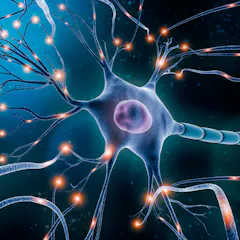
This technique could also be applied to other conditions, such as Parkinson’s disease.
A lump of cells could be given the legal status of a person, or remain a property.
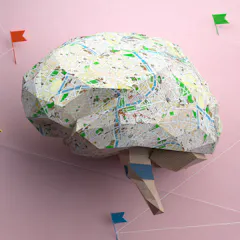
Scientists have been mapping the brain for centuries. New visualization tools bring them one step closer to understanding where thoughts come from and new ways to treat neurological disorders.
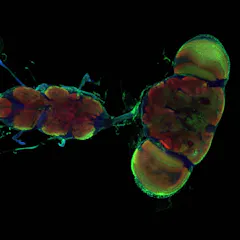
Adaptable neurons are tied to learning and memory but also to neurological disorders. By studying fruit flies, researchers found a mechanism that controls neuroplasticity.

Neurotrophic factors play an important role in protecting neurons – which is why researchers are investigating them as a treatment for Parkinson’s.

Life in captivity causes observable harm to the structure and function of large mammals’ brains.

Brains recognize a smell based on which cells fire, in what order – the same way you recognize a song based on its pattern of notes. How much can you change the ‘tune’ and still know the smell?
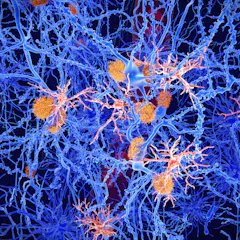
Between 10-15% of all cells within the brain are microglia.
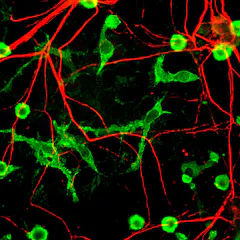
A new study raises hopes of better treatment for amnesia, Alzheimer’s and other conditions affecting memory.
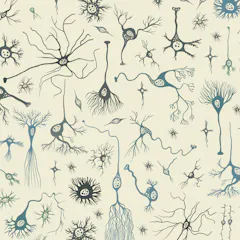
We have more neurons in our cortices than any other species, courtesy of an early technology – and along with them came our long, slow lives, with plenty of chances to gather around the dinner table.
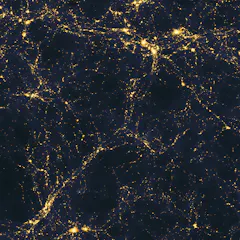
Our brain cells do look a lot like a map of the universe – but that doesn’t mean they’re the same thing.

Neuroscience labs around the world may need to reevaluate some of their assumptions about whether what works in animals will really produce meaningful treatments for people.
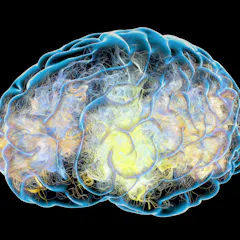
New research is helping us understand exactly how Alzheimer’s works – and how to treat it.

Alzheimer’s disease is the most common form of dementia, but treatments are still far from successful in clinical trials. Here is what we know about the disease, and what is yet to be uncovered.

There’s both money and prestige invested in the simple idea that different brain areas are responsible for certain functions. But that doesn’t make it true.
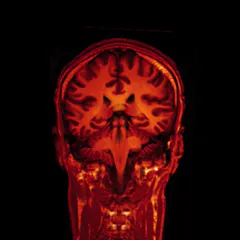
By tampering with the machinery which allows aggressive cancer cells to adapt, we can disrupt their ecosystem.

When we figure out how places connect geographically, local maps in the brain join into a single, overarching map.
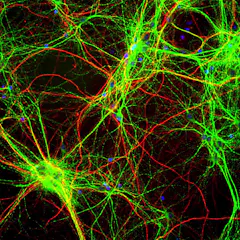
Let’s say Martians land on the Earth and wish to understand more about humans. Someone hands them a copy of the Complete Works of Shakespeare and says: “When you understand what’s in there, you will understand…
Top contributors
-

Associate Professor of Psychology, Vanderbilt University
-
Alan M Dachs Professor of Science, Professor of Biology, Neuroscience and Behavior, Wesleyan University
-
Lecturer in Neuroscience, University of Lancashire
-
Sir Henry Dale Fellow in Cell & Developmental Biology, UCL
-
Director of the Institute of Behavioural Neuroscience, UCL
-
Senior Lecturer in Law, Newcastle University
-
Postdoctoral Research Fellow, University of Aberdeen
-
PhD Candidate, University of Hertfordshire
-
PhD student in neuroscience, UCL
-
Associate Professor, Turner Institute for Brain and Mental Health, Monash University
-
Senior Lecturer in Neuroscience, Lund University
-
Research Fellow in Neuroimmunology, UCL
-
Postdoctoral Fellow, UO Institute of Neuroscience and Howard Hughes Medical Institute, University of Oregon
-
Associate Professor in Cellular Neuroscience, University of Reading
-
Ph.D. Student in Neuroscience, New York University