
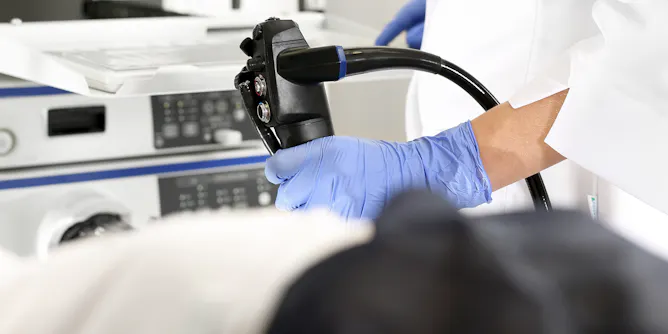
A colonoscopy is usually done to diagnose bowel cancer. It is an invasive procedure with risks such as bowel perforation. It’s important to only have the test if you’re likely to benefit.
Articles on Bowel cancer
Displaying 21 - 40 of 53 articles

A cancer is in remission when it can no longer be detected. But we only say it’s cured when it hasn’t come back for a certain time – and that differs for different cancers.

The growing list of alcohol-related diseases includes bowel cancers, mouth and oesophageal cancers, breast cancers, heart disease, respiratory infections and mental health problems.

The study showed that every 10% increase in consumption of ultra-processed food was linked to a 12% increase in developing some types of cancers. But it didn’t show the processed food caused cancers.
There are currently few effective and non-invasive methods to screen for early stages of cancer. But scientists have now developed a new blood test that promises to detect eight different cancers.

A new study has found the alcohol industry deliberately misrepresenting the cancer risk of alcohol, while passing it off as health messaging.
A test of all your genes for disease risk is not yet the precision diagnostic and treatment tool we hope it will one day be.
Obesity is linked with a host of health outcomes. Both a disease itself and a risk factor linked to many others, we explore the linkages between obesity and cancer.
I recently had a colonoscopy, an invasive medical procedure to examine the bowel, and was hugely relieved to get the all-clear. I posted a description of my experience to my friends on Facebook and got…
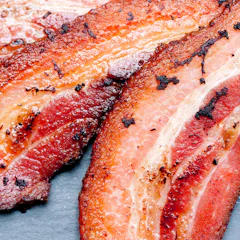
A bit of prosciutto as part of a well-balanced diet is not going to do you much harm.
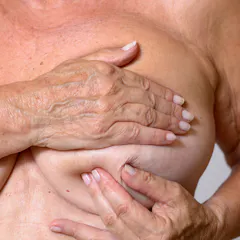
Currently, seven cancer types are listed in the top 20 causes of death in Australia. These are cancers of the lung, blood and lymph, bowel, prostate, breast, pancreas, skin and some childhood cancers.

Too many people literally are dying of embarrassment.
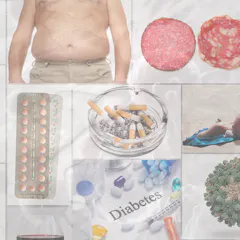
This body map brings together evidence on proven cancer causes. Using credible, scientific sources it answers questions about whether alcohol, red meat or sun exposure increase your cancer risk.

Relative risk is the risk one group of people has of developing a cancer compared to the risk of another group.
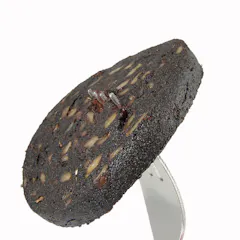
Hold the cape and leggings. The dear old blood pudding has its merits, but it’s far from perfect.
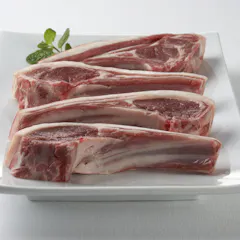
The World Health Organisation’s report on the increased cancer risk with eating processed and red meat has been met with mixed reactions.
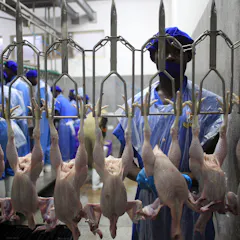
Meat has health benefits. And good quality meat could also be the solution to the food insecurity problems that plague two-thirds of households in the developing world.
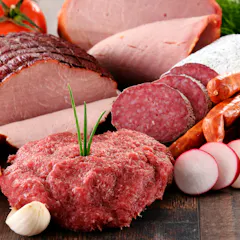
The World Health Organisation has determined that eating processed meat definitely causes cancer, while eating red meat probably does.
Nearly 40,000 cancers diagnosed in Australia can be prevented if people avoid known risk factors for the disease, according to research published today.
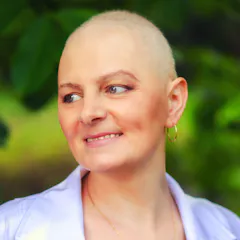
The rate of Australians dying from cancer is on a steady, downhill trajectory, thanks to powerful advances made in prevention, diagnosis and treatment of the disease.
Top contributors
-

Adjunct Professsor, School of Psychology, Faculty of Health and Medical Sciences, Adelaide University
-
Associate Professor, Gastroenterologist & Clinical Epidemiologist, Monash University
-
Professor of Biomedical Sciences, Anglia Ruskin University
-
Professor at University of Melbourne and Research Fellow, Cancer Council Victoria
-
Adjunct Professor, School of Psychology, Curtin University and College of Health and Medicine, Australian National University
-
Principal Research Fellow and and Cancer Epidemiologist, University of Sydney
-
Laureate Professor in Nutrition and Dietetics, University of Newcastle
-
Associate Professor, Deakin University
-
Lead, Cancer Elimination Collaboration (CEC) and Professor of Public Health, University of Sydney
-
Professor of Cancer Epidemiology, Queen's University Belfast
-
Head of Urology at Monash Medical Centre and Associate Professor of Surgery, Monash University
-
Associate Professor of Medicine, Sydney Medical School, Concord Clinical School; Medical Oncologist, Concord Cancer Centre, University of Sydney
-
Professor of Meat Science and the co-host of the NRF SARChI Chair in Meat Science, University of Fort Hare
-
Lecturer in Human Nutrition and Dietetics, Glasgow Caledonian University
-
Research Fellow, Centre for Medical Psychology & Evidence-based Decision-making, University of Sydney