
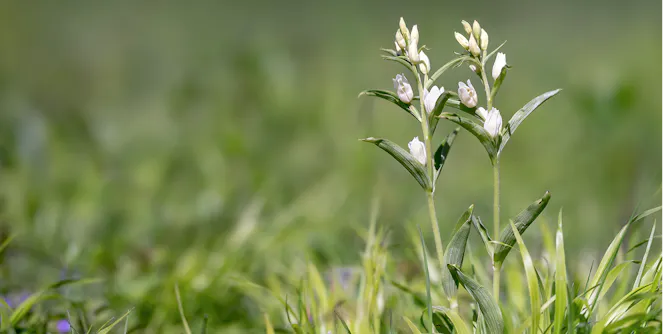
Since plants can’t pick up and move to greener pastures if conditions are tough, some have evolved interesting and sneaky strategies to make a living.
Articles on Botany
Displaying 81 - 100 of 123 articles
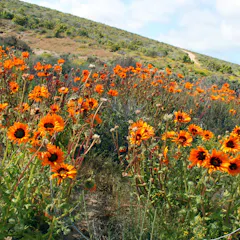
Plant blindness can be solved but it wont be easy.
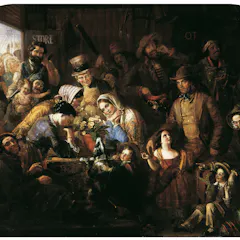
A wood and glass case invented in the early 19th-century transformed the movement of plants around the world. In Melbourne, several thousand people greeted a primrose on its arrival from England.
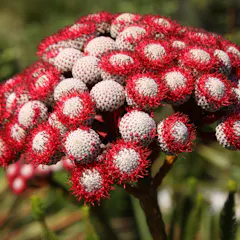
There is good news for plant conservation in South Africa and internationally.
Sandpaper figs are the swiss army knife of Australian flora.
The Bunya pine is a unique and majestic Australian tree that commands respect.
Humans have long been trying differentiate themselves from the rest of the biological world. Is it because we’re superior, or just insecure?
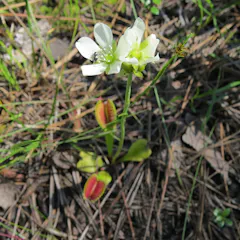
Venus flytrap plants have ‘traps’ that snap shut on insect prey. But they also rely on insects for pollination. New research suggests how the plant avoids eating its allies.
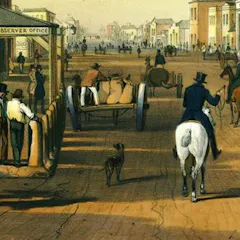
We often focus on the “science” part of citizen science. The “citizen” is important as well. It reminds us that we are part of something greater than ourselves, with a duty to generations to come.
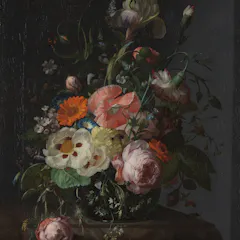
During her lifetime, the paintings of Dutch artist Rachel Ruysch sold for higher prices than those of Rembrandt. Why, then, have her talents not been more widely acknowledged in the centuries since?
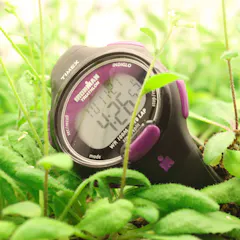
Precisely calibrated timekeepers are found in organisms from all domains of life. Biologists are studying how they influence plant/pathogen interactions – what they learn could lead to human medicines.

Ferns came along more than 200 million years before the dinosaurs walked the Earth. They were food for plant-eating dinosaurs and they’re really great survivors. Heather, age 8, wants to know more.
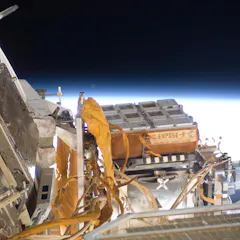
If you want to live on Mars, you’re going to need to grow food. Seeds are naturally equipped to handle challenging Earth environments, but how well can they survive what they’ll encounter off-planet?
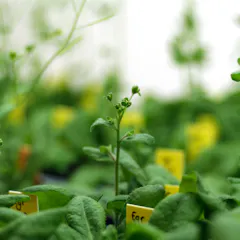
Inserting a random DNA mishmash into a plant or bacterium directs it to make a novel protein. Sifting through the resulting molecules, researchers may find ones have medical or agricultural uses.
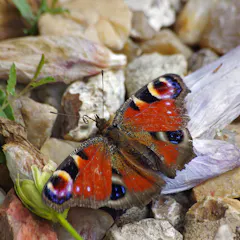
The caterpillar and the butterfly: two forms, a single individual? A biologist and a philosopher explore this paradox.
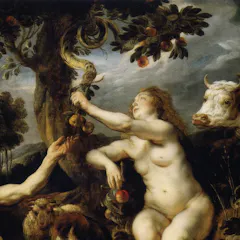
Plants produce toxic fruit for everything from deterring fungi to causing constipation.
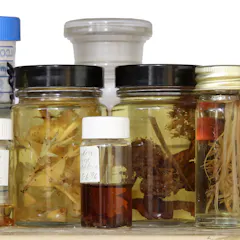
Australia’s herbaria are a priceless repository, holding around 8 million samples that map historical and current distributions of native and introduced plant species in Australia.
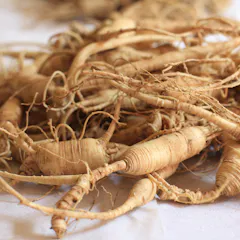
American ginseng, a slow-growing native plant long used in traditional medicine, was abundant in colonial times. Now illegal harvesting and other stresses are pushing it close to extinction.
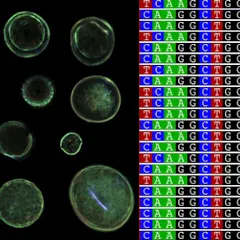
Pollen is all around us, is extremely durable and can provide clues about where someone’s been. A new genetic technique will make it easier to use pollen evidence in criminal investigations.
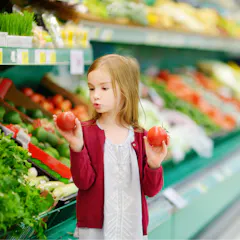
When botany and linguistics collide: pumpkins are fruits and there’s technically no such thing as a vegetable. But try telling that to a five-year-old and see how far you get.
Top contributors
-

Senior Research Associate, School of Agriculture, Food and Ecosystem Sciences, The University of Melbourne
-
Assistant Professor of Plant Evolutionary Biology, University of Tennessee
-
e-Flora Coordinator, South African National Biodiversity Institute
-
Vice President of Academic Affairs and Dean of the College, Grinnell College
-
Professeur, Biologie et Biochimie végétales, IUF, Université de Lorraine
-
Lecturer and Researcher in Plant Humanities, UNSW
-
Founder of Msit No’kmaq
-
PhD Candidate, Social Justice Education, Ontario Institute for Studies in Education, University of Toronto
-
Lecturer in Environment and Sustainability, Keele University
-
Chair of ARC Centre of Excellence for Quantum Biotechnology, The University of Queensland
-
Associate Professor in Environmental Science, Western Sydney University
-
Research Associate, North Carolina State University
-
Professor of Biological Sciences, University of Maryland, Baltimore County
-
Associate Professor of Biology, Columbus State University
-
Postdoctoral research fellow, Australian National University