
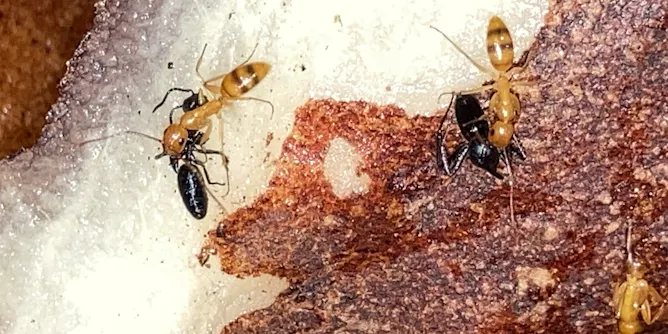
Squamellaria plants grow special structures to host the ants they symbiotically rely on for nutrients. Distinct compartments help different ant colonies live peacefully side by side.
Articles on Botany
Displaying 21 - 40 of 123 articles
A new publication sheds light on the plants of Burkina Faso and Mali.
Here’s why those little yellow flowers are everywhere you look.
As cost-of-living soars, wars rage and stock markets fluctuate, we could all use a respite. The natural world has been proven to have a healing effect.

Evolution is often depicted as a steady forward march from simple to complex forms. But new research shows that certain ferns can evolve ‘backward.’

Faced with the collapse of biodiversity, there is an urgent need to protect the genetic diversity of species. But to preserve fruit trees, seed banks are not enough.
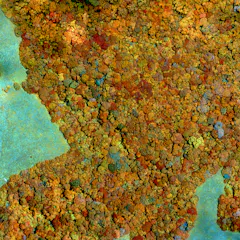
Rsearch fellow Laura Cinti talks to The Conversation Weekly podcast about her quest to find a female version of the endangered E. woodii cycad using drones and AI.
Most of the plants we know and admire were named after white, western men. Indigenous knowledge has been largely absent from the field of botany.
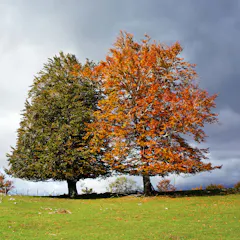
Botanist Paul Ashton explains the difference between trees that lose their leaves, and those that don’t on The Conversation’s Curious Kids podcast.
This episode explores how colonial history has affected what we plant and who gets to garden. We also discuss practical gardening tips with an eye to Indigenous knowledge.
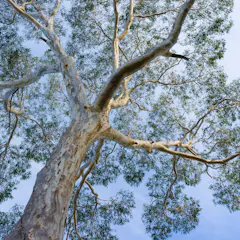
Most of us just take it for granted. But bark is one of the most complex parts of a tree and has many different jobs to do.
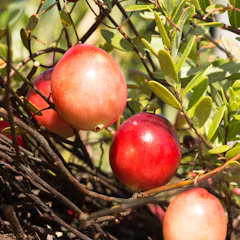
Cranberries add color and acidity to Thanksgiving menus, but they also have many interesting botanical and genetic features.
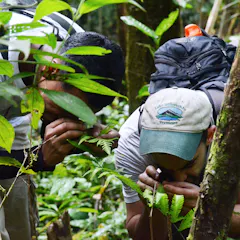
Botanizing is the practice of observing and appreciating plant life. Two plant scientists explain how it benefits people and the planet.
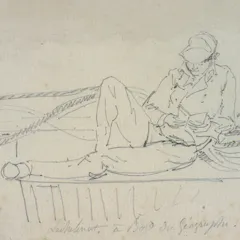
Two previously unknown chapters of a 19th century French botanist’s journal offer insights into his fears and ambitions, scientific observations, and discussions of the effects of colonisation.
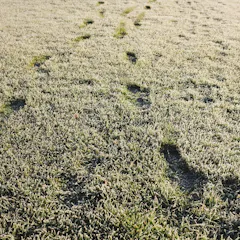
Different grasses respond to and cope with winter in different ways.
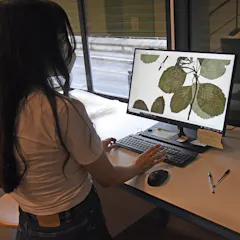
The colonial era profoundly shaped natural history museums and collections. Herbaria, which are scientists’ main source of plant specimens from around the world, are no exception.
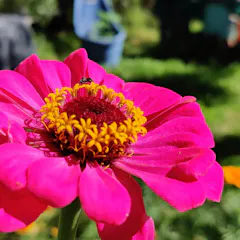
New research suggests insects have pollinated flowers since the pollen-bearing blooms first evolved more than 140 million years ago.
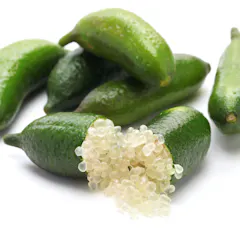
Whether riding on the feathers of birds or evolving on Gondwana, Australia’s plants got here in very different ways

As we approach the start of gardening season, it’s a good time to ask some questions about what to plant and who gets to plant.

An expert’s tips on how to keep your indoor plants looking their best.
Top contributors
-

Senior Research Associate, School of Agriculture, Food and Ecosystem Sciences, The University of Melbourne
-
Assistant Professor of Plant Evolutionary Biology, University of Tennessee
-
e-Flora Coordinator, South African National Biodiversity Institute
-
Vice President of Academic Affairs and Dean of the College, Grinnell College
-
Professeur, Biologie et Biochimie végétales, IUF, Université de Lorraine
-
Lecturer and Researcher in Plant Humanities, UNSW
-
Founder of Msit No’kmaq
-
PhD Candidate, Social Justice Education, Ontario Institute for Studies in Education, University of Toronto
-
Lecturer in Environment and Sustainability, Keele University
-
Chair of ARC Centre of Excellence for Quantum Biotechnology, The University of Queensland
-
Associate Professor in Environmental Science, Western Sydney University
-
Research Associate, North Carolina State University
-
Professor of Biological Sciences, University of Maryland, Baltimore County
-
Associate Professor of Biology, Columbus State University
-
Postdoctoral research fellow, Australian National University