
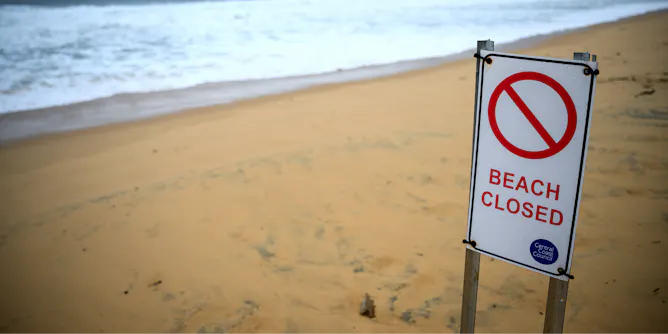
A second low forming off the NSW coast may have given anxious residents a reprieve by pulling energy away from the huge storm lashing the coast.
Articles on Bomb cyclones
Displaying all articles

A powerful storm hitting the West Coast combines these phenomena for a wet week of erratic weather, as a meteorologist explains.
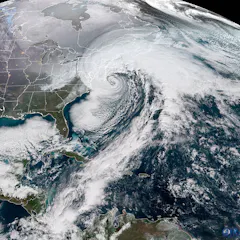
The key ingredients for a storm to undergo bombogenesis are an unstable atmosphere, temperature differences and high-speed winds in the upper atmosphere.
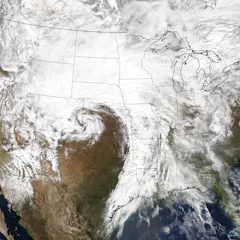
What creates such dramatic storms across the US Great Plains? The key factors are topography and temperature differences.
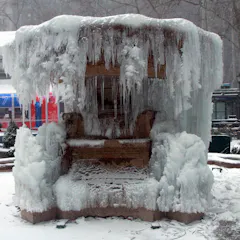
What raises a common winter storm to the level of ‘bomb cyclone’? It’s all about rapid, sharp changes in atmospheric pressure – and the scientists who coined the term meant to highlight their power.
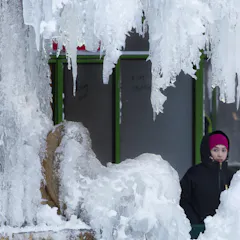
An atmospheric scientist who studies the Arctic explains why – because of global warming – the U.S. may be in for longer cold spells in the winter.
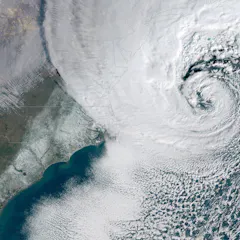
The US was hit by a ‘bomb cyclone’ last week, bringing icy cold and driving snow. These storms develop very rapidly, forming outside the tropics, typically on continental east coasts in winter.
Top contributors
-

Professor of Atmospheric Science and Colorado State Climatologist, Colorado State University
-
Senior research scientist, Australian Bureau of Meteorology
-
Principal Research Scientist in Extreme Weather, The University of Melbourne
-
Principal research scientist, Australian Bureau of Meteorology
-
Research Scientist, Australian Bureau of Meteorology
-
Assistant Professor of Geography, University of Florida
-
Research and Operations Meteorologist, Center for Western Weather and Water Extremes, University of California, San Diego
-
Visiting Professor, Rutgers University
-
Adjunct Professor of Environmental Geography, CQUniversity Australia