

Tiny geolocators measure light levels and atmospheric pressure to reveal the migrations of small songbirds – including the yellow-rumped warbler, also known as a butter-butt – in unprecedented detail.
Articles on Atmospheric pressure
Displaying all articles
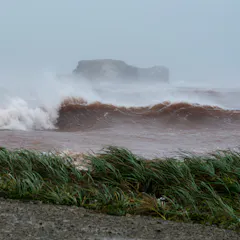
Storm Fiona caused a lot of property damage and erosion on the Canadian coast. But its effects are also felt in the depths of the Gulf of St. Lawrence.
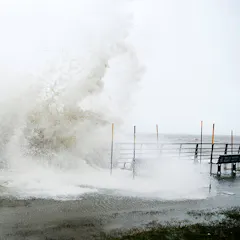
Popular belief suggests the highest tides in the St. Lawrence River are reached around the equinoxes. In truth, they arrive close to the solstices.
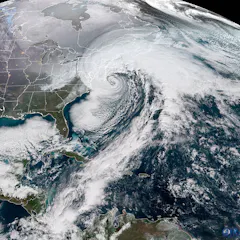
The key ingredients for a storm to undergo bombogenesis are an unstable atmosphere, temperature differences and high-speed winds in the upper atmosphere.
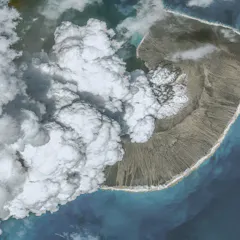
A phenomenon first theorized over 200 years ago is also a telltale sign of nuclear tests.
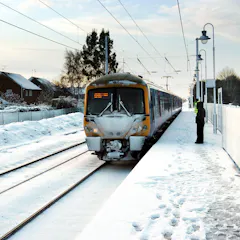
Since 1979, the average number of snow days has fallen by about five per decade.

Humans are not very sensitive to changes in air pressure, but they can have a big effect on the weather.

It’s hard to believe, but big storms and hurricanes are caused by tiny particles moving around in the atmosphere.
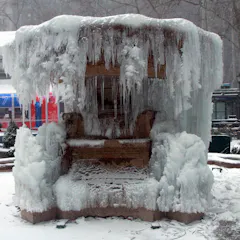
What raises a common winter storm to the level of ‘bomb cyclone’? It’s all about rapid, sharp changes in atmospheric pressure – and the scientists who coined the term meant to highlight their power.
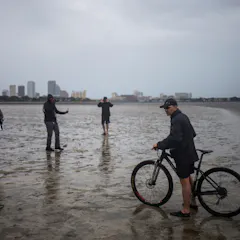
Pictures of ocean bays emptied of water as Hurricane Irma moved through the Caribbean and Florida show that storm surges can move away from the coast, as well as onto it.
Top contributors
-

Research Manager, Griffith Centre for Coastal Management, Griffith University
-
Chercheur scientifique avec Pêches et Océans Canada et Professeur-associé, Université du Québec à Rimouski (UQAR)
-
Assistant Professor of Geography, University of Florida
-
Emeritus Professor of Atmospheric Sciences, University of Hawaii
-
Postdoctoral Researcher in Climate Risk Analytics, University of Bristol
-
Professeur en océanographie physique, Université du Québec à Rimouski (UQAR)
-
Professor of Atmospheric Science and Colorado State Climatologist, Colorado State University
-
Professeur-chercheur en océanographie physique, Université du Québec à Rimouski (UQAR)
-
Research Associate in Climate Science, University of Bristol
-
Professor of Climate Science, University of Bristol
-
Research Fellow in Climate Change and Health, University of Bristol
-
Visiting Fellow in Meteorology, University of Reading
-
Professeur en océanographie physique, Université du Québec à Rimouski (UQAR)
-
James Smithson Postdoctoral Fellow, Smithsonian Institution