

After seven years of drought and one extraordinary wet winter, northwestern Africa now faces another season of uncertainty.
Articles on Jet stream
Displaying 1 - 20 of 37 articles
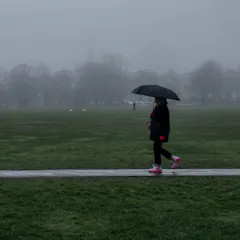
After an exceptionally wet start to 2026, two climate scientists explain what’s going on.

The atmosphere is a complicated place. Warm temperatures in one spot can contribute to brutally cold storms somewhere else.
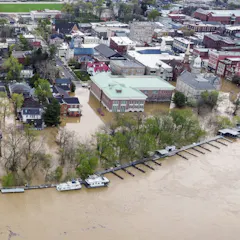
The US had a rare year without a hurricane make landfall, but it saw too much extreme rainfall and flash flooding across the country.

Tropical storms are guided by many different wind patterns: big, like the Bermuda high, and small. A hurricane researcher explains their role in why so many storms veered off into the Atlantic in 2025.
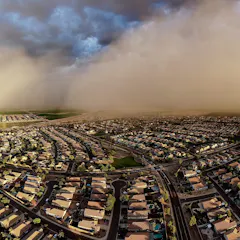
One long line of powerful winds can whip up dust storms, spread wildfires, spin up tornadoes and fuel blizzards – all at the same time across different states.

As a record-hot summer comes to a close, an atmospheric scientist explains how global warming drove long periods of extreme heat.
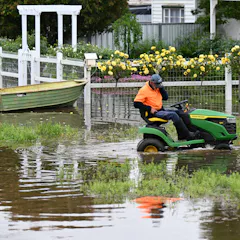
Fluctuations in the path of storms over the Australian continent can influence the conditions delivered by an El Niño or La Niña.
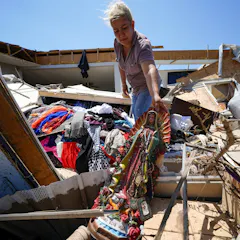
Spring 2024 was menacing for large parts of the US, with a tornado nearly every day in May. Tornado outbreaks tore up communities across multiple states.
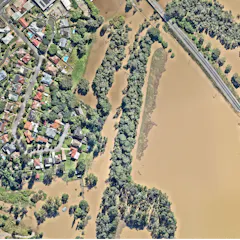
Flash floods are getting more common, as warmer air can hold more moisture. But there are other changes leading to more inland flooding on the east coast.

As the climate changes and weather warms, the freezing line is shifting, bringing rain to many regions more accustomed to snow.
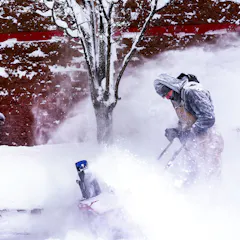
The world can expect fewer severe cold events as average temperatures rise, but people still need to be prepared for wintery blasts.
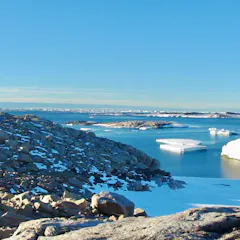
A heatwave in 2022 redefined scientific expectations of the Antarctic climate. Now the global community must prepare for what a warmer world may bring.

An ‘omega block’ helped Storm Daniel wreak devastation in Libya.
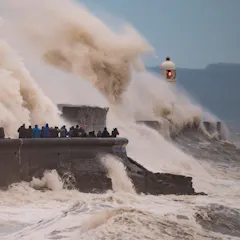
An expert explains why the UK’s winter has been relatively calm.
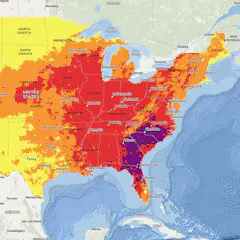
Heat domes are a dangerous part of summer weather.
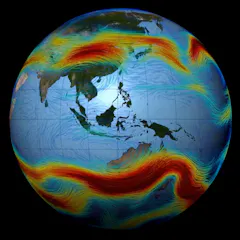
Global warming is changing the high-altitude autumn winds over southeast Australia, which means less rain and trouble for air travel.

Sting jets are poorly understood, but could have a big influence on Britain’s future winter storms.
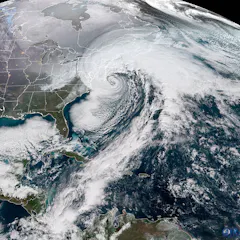
The key ingredients for a storm to undergo bombogenesis are an unstable atmosphere, temperature differences and high-speed winds in the upper atmosphere.
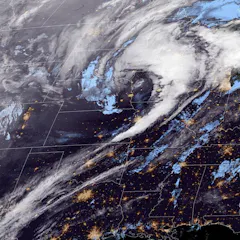
Forecasters described it as a ‘historical weather day.’ An atmospheric scientist who was at the heart of the storms explains what happened.
Top contributors
-

Professor of Atmospheric Science, Iowa State University
-
Professor of Geology and Environmental Geosciences, University of Dayton
-
Researcher, Institute for Climate and Atmospheric Science (ICAS), University of Leeds
-
Professor of Climate Science, UMass Lowell
-
Professor in Physical Climate Science, University of Oxford
-
Visiting Professor, Rutgers University
-
Research Associate, Climate Dynamics Group, University of Bristol
-
Professor of Climate Science, National Centre for Atmospheric Science, University of Reading
-
Visiting Fellow, School of Mathematical and Physical Sciences, University of Technology Sydney
-
Professor, School of Mathematical And Physical Sciences, University of Technology Sydney
-
Senior Lecturer in Physics, Nottingham Trent University
-
Emeritus Professor of Atmospheric Sciences, University of Hawaii
-
Senior Lecturer, The University of Melbourne
-
Honorary Senior Fellow in Ecology, University of Wollongong
-
Professor of Geography, University of Aberdeen